
Lithium Battery vs Ni-MH in Electric Toothbrushes & Water Flossers: Safety, Lifespan & Regulations
When you’re sourcing electric toothbrushes or water flossers for your brand, the battery inside matters more than most buyers realize. It affects product lifespan, shipping regulations, retail compliance, and end-user safety — all of which directly impact your bottom line.
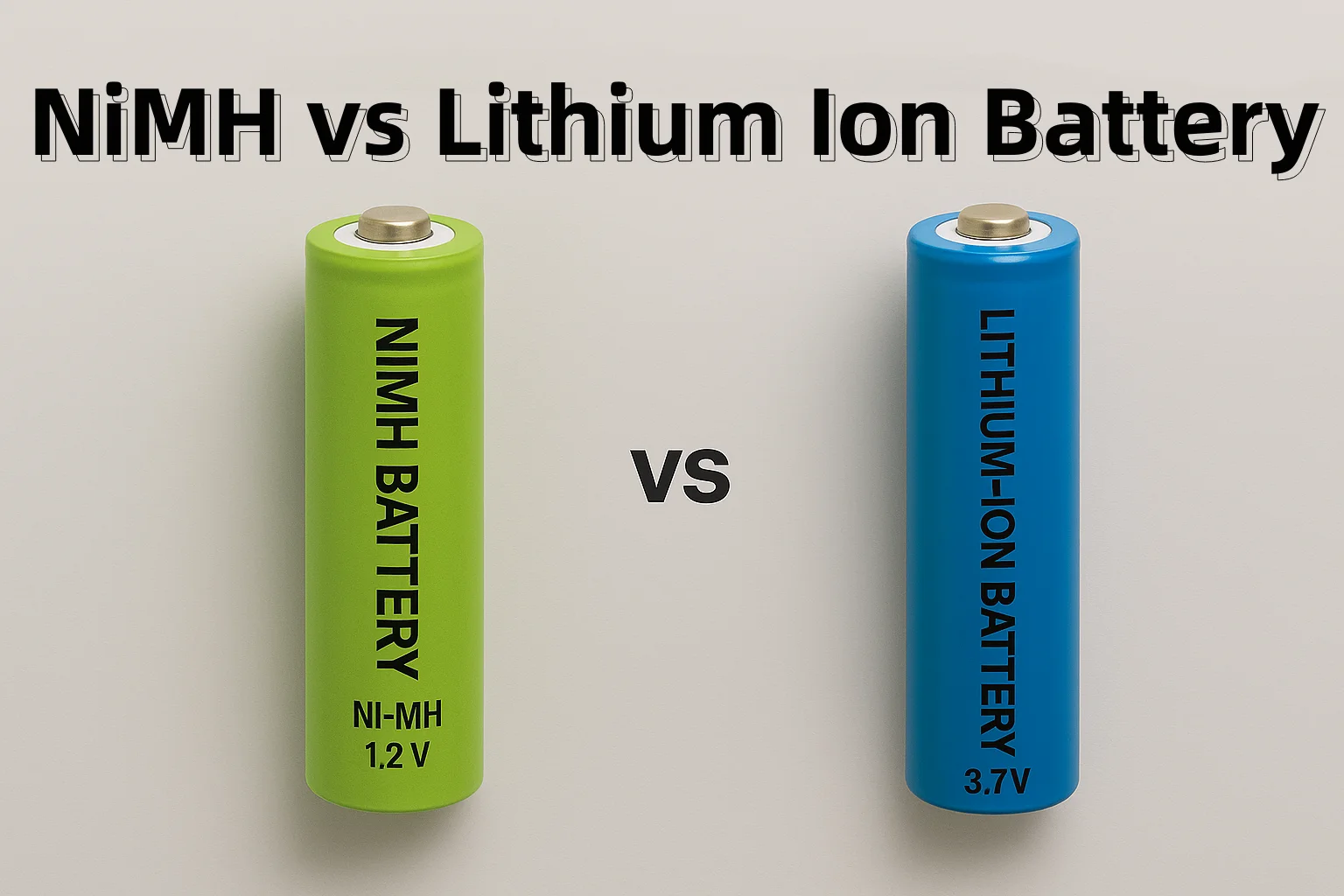
The two dominant battery types in oral care devices are lithium-ion (Li-ion) and nickel-metal hydride (Ni-MH). Each has trade-offs. Choosing the wrong one can mean failed certifications, seized shipments, or products that die after three months.
Here’s what you need to know.
The Two Battery Types: A Quick Overview
Lithium-Ion (Li-ion) is the same battery chemistry used in smartphones and EVs. It’s lightweight, holds more charge per volume, and supports fast charging. In oral care devices, it’s become the default for mid-range and premium products.
Nickel-Metal Hydride (Ni-MH) is an older but proven chemistry. It’s heavier, holds less energy per gram, but is more stable under extreme conditions and faces fewer shipping restrictions. It’s still common in budget electric toothbrushes and some countertop water flossers.
Neither is universally "better." The right choice depends on your product positioning, target market, and logistics.
Side-by-Side Comparison
| Specification | Lithium-Ion (Li-ion) | Nickel-Metal Hydride (Ni-MH) |
|---|---|---|
| Energy Density | 150–250 Wh/kg | 60–120 Wh/kg |
| Typical Capacity (oral care device) | 500–1500 mAh | 600–1000 mAh |
| Cycle Life | 300–500 cycles | 500–1000 cycles |
| Self-Discharge Rate | ~2–5% per month | ~15–30% per month |
| Charging Time | 2–4 hours | 8–16 hours |
| Weight (equivalent capacity) | Lighter | 30–40% heavier |
| Memory Effect | None | Mild (requires periodic full discharge) |
| Operating Temperature | 0–45°C optimal | -10–50°C optimal |
| Cost per Unit | Higher | Lower |
| Shipping Restrictions | Strict (UN38.3, IATA DGR) | Minimal |
Safety & Compliance: Where Lithium Gets Complicated
If you’re shipping to Europe or North America, the battery inside your product determines what documentation, testing, and certifications you need.
For Lithium-Ion:
- UN38.3 Test Report: Mandatory for all lithium battery shipments by air or sea. Covers altitude, thermal, vibration, shock, and short-circuit testing. Without this report, carriers will refuse your shipment.
- IATA Dangerous Goods Regulations: Lithium batteries shipped by air must meet IATA DGR requirements, including state-of-charge limits (30–70%) and specialized packaging.
- CE Marking (EU): Must comply with EN 62133-2 (safety requirements for portable lithium batteries).
- FCC (US): Battery-powered devices must pass FCC Part 15B for unintentional radiation.
- UL Certification: US retailers like Target and Walmart often require UL 2054 or UL 1642 compliance for lithium batteries.
For Ni-MH:
- No UN38.3 testing required (not classified as dangerous goods).
- No IATA dangerous goods restrictions for air freight.
- Still needs CE and FCC for the device itself, but the battery adds negligible compliance burden.
- No special shipping packaging requirements.
This is why some budget manufacturers stick with Ni-MH — the compliance burden is dramatically lower, and shipping is simpler and cheaper.
Which Battery Fits Which Product?
| Product Type | Recommended Battery | Why |
|---|---|---|
| Premium electric toothbrush ($40+ retail) | Lithium-Ion | Fast charging, long battery life, lightweight |
| Budget electric toothbrush ($10–25 retail) | Ni-MH | Lower cost, simpler compliance, adequate for basic use |
| Portable water flosser | Lithium-Ion | Weight matters; Li-ion is 30% lighter for same capacity |
| Countertop water flosser | Either | AC-powered, battery is secondary or absent |
| Travel-focused devices | Lithium-Ion | Higher energy density = smaller form factor |
| Devices sold to children | Ni-MH (preferred) | More stable chemistry, lower fire risk |
The Hidden Cost: Battery Degradation & Returns
A common mistake buyers make is evaluating battery performance on day one. The real test is month 12.
Lithium-Ion degradation: Capacity drops to ~80% after 300–500 charge cycles. At one charge per week, that’s roughly 6–10 years before noticeable degradation. In practice, other components fail first.
Ni-MH degradation: The self-discharge rate is the bigger problem. A Ni-MH toothbrush sitting on a store shelf for 6 months loses 15–30% of its charge. By the time a consumer opens the box, the "first charge" experience is poor. This is a leading cause of negative "battery doesn’t hold charge" reviews.
When evaluating manufacturers, ask:
- "What’s the rated cycle life at 80% capacity retention?"
- "How do you handle self-discharge for retail shelf storage?"
- "Can you provide a battery aging test report?"
What to Ask Your Manufacturer
Before committing to a supplier, clarify these battery-related points:
"Which battery chemistry do you use, and can I choose?" Some factories default to one type. You should have the option to specify.
"Do you have a valid UN38.3 test report?" (For lithium) Ask for a copy. Verify the testing lab is UN-certified. Expired or fake reports will get your shipment seized.
"What’s the battery protection circuit design?" Lithium batteries must have overcharge, over-discharge, and short-circuit protection. Ask for the BMS (Battery Management System) spec.
"How do you handle battery aging for retail inventory?" Look for manufacturers who pre-charge batteries to ~50% for shipping and storage.
"Can you provide cell-level certifications?" The individual battery cells should have their own UL/CE certification, separate from the finished product.
The Bottom Line
Lithium-ion batteries give you better performance, lighter weight, and faster charging — but they come with real compliance costs and shipping complexity. Ni-MH batteries are simpler, cheaper, and safer, but they trade off on performance and user experience.
For most B2B brands targeting developed markets (EU, US, Japan), lithium-ion is the right choice for portable products. The compliance burden is manageable if your manufacturer has proper documentation. For budget lines or stationary devices, Ni-MH remains viable.
Choose a manufacturer that understands both chemistries and can guide you to the right one for your specific product, market, and price point.
Besman offers OEM/ODM manufacturing for electric toothbrushes and water flossers with both lithium-ion and Ni-MH battery options. All products come with UN38.3 test reports, CE, FCC, and RoHS compliance. Contact us to discuss your battery and certification requirements.