
Why IPX7 Waterproofing Should Be on Every Buyer’s Checklist
When you’re sourcing electric toothbrushes or water flossers for your brand, waterproofing is one of the first things your customers will care about — and one of the easiest things to get wrong in manufacturing.
A device that fails a waterproof test after six months ruins more than a batch. It ruins your brand’s reputation.
Here’s what IPX7 actually means, why it matters for oral care devices, and what to check when working with a manufacturer.
What "IPX7" Waterproofing Means for Oral Care Devices
IP ratings come in two parts: dust protection (the first digit) and water protection (the second digit). When you see "IPX7", the "X" means dust protection wasn’t tested, and the "7" tells you the water protection level.
IPX7 specifically means: the device can be submerged in 1 meter of water for 30 minutes without water ingress causing damage.
This isn’t the same as "splashproof" or "water-resistant." It means full immersion — which matters because electric toothbrushes and water flossers are used in wet bathrooms, often dropped into sinks, and rinsed under running water daily.
Here’s how the common ratings compare:
| Rating | Protection Level | Typical Use |
|---|---|---|
| IPX4 | Splash-resistant from any direction | Basic kitchen appliances |
| IPX5 | Protected against water jets | Shower-use devices |
| IPX6 | Protected against powerful water jets | Outdoor equipment |
| IPX7 | Immersion up to 1m for 30 min | Electric toothbrushes, water flossers |
| IPX8 | Continuous immersion beyond 1m | Dive equipment |
For oral care devices, IPX7 is the standard. Anything less, and you’re taking a risk. Anything more (IPX8) is often overkill and adds unnecessary manufacturing cost.
Why IPX7 Matters Specifically for Oral Care
Electric toothbrushes and water flossers live in the bathroom — the wettest room in the house. Your end user will:
- Rinse the device under a tap after every use
- Use it with wet hands
- Occasionally drop it into a sink full of water
- Store it in a humid environment between uses
Without proper IPX7 sealing, water seeps into the housing, corrodes internal components, shorts the battery, and kills the motor. The failure might not show up immediately — it could take weeks or months of moisture accumulation before the device stops working.
This is exactly the kind of delayed failure that triggers returns, negative reviews, and warranty claims.
How IPX7 Testing Works in Manufacturing
Knowing the rating is one thing. Knowing whether a factory actually tests for it is another.
A proper IPX7 test involves:
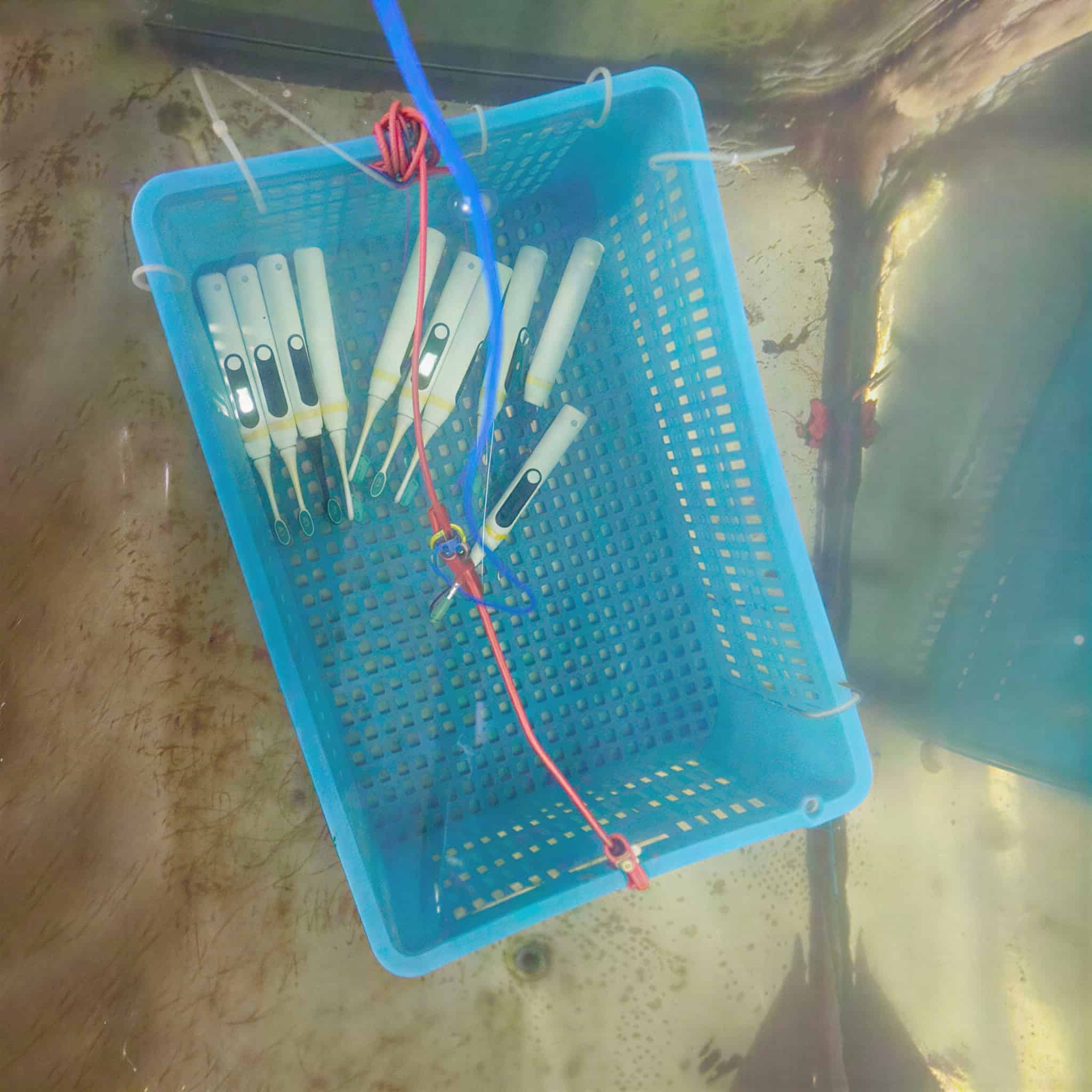
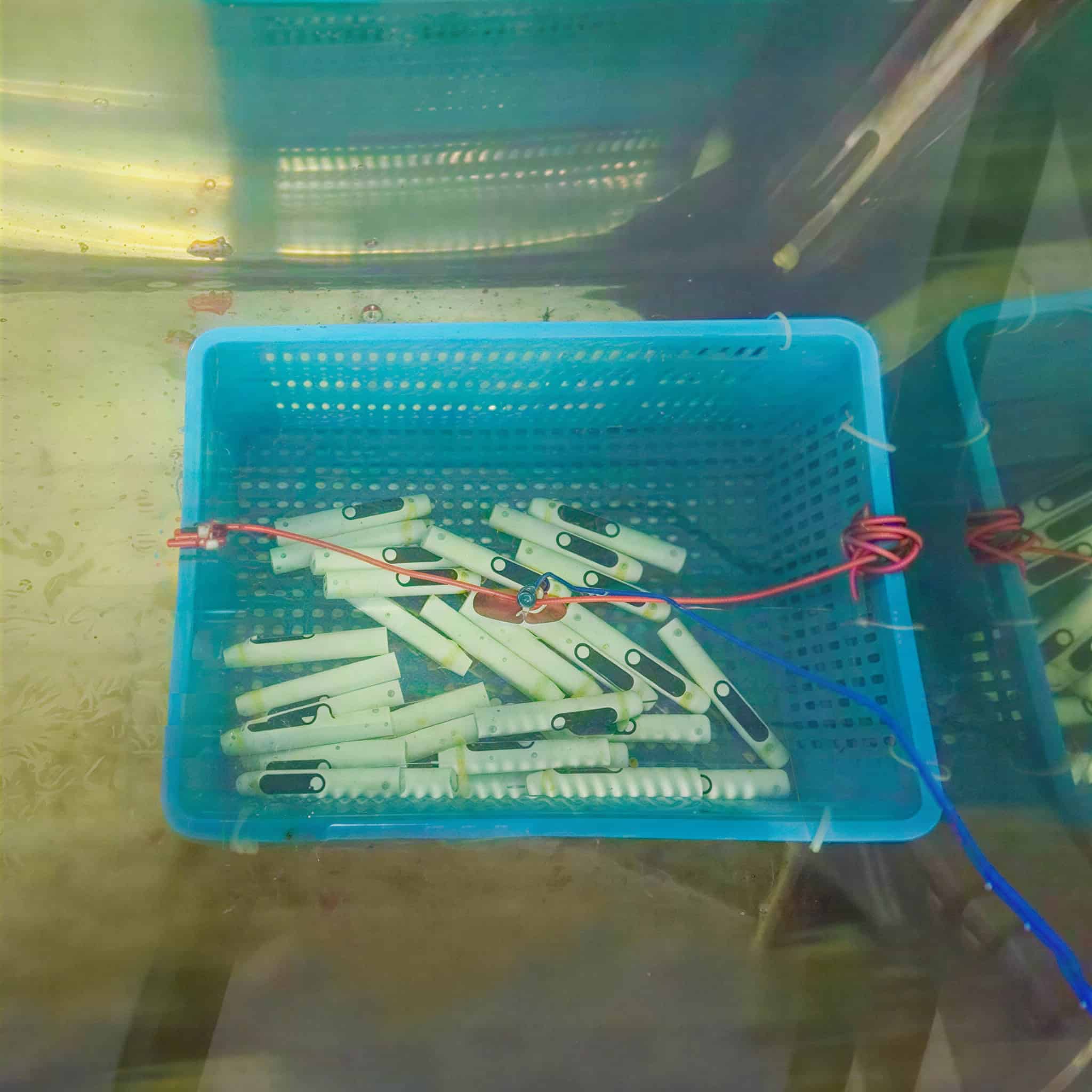
- Immersion tank testing — the fully assembled device is submerged in 1 meter of water for 30 minutes
- Post-immersion inspection — the device is opened and examined for any water ingress at seals, seams, charging ports, and button areas
- Functional check — after immersion and drying, the device must power on, vibrate normally, and hold charge
Reputable manufacturers perform this test on every batch, not just during R&D. They sample units from each production run and run the test before approving shipment.
The 4 Most Common Waterproofing Failure Points
When an oral care device fails waterproof testing, the problem is almost always at one of these four points:
1. Charging port seal. This is the #1 failure point. Wireless charging (inductive) eliminates this risk entirely — no exposed port, no seal to fail. If your design uses a USB or DC charging port, the rubber seal must be precision-molded and perfectly fitted, and it degrades over time with repeated plugging/unplugging.
2. Button membrane. Physical buttons require a flexible membrane between the button and the internal switch. Cheap membranes crack after repeated pressing, especially when exposed to toothpaste residue and cleaning chemicals.
3. Housing seam. The seam where the front and back housing shells meet needs a continuous gasket or ultrasonic welding. Manual assembly can leave gaps; automated welding produces more consistent results.
4. Brush head / nozzle connection. On electric toothbrushes, the drive shaft that connects the motor to the brush head passes through a seal. This seal must withstand both water pressure and mechanical vibration — a double challenge that cheap seals can’t handle.
What to Ask Your Manufacturer
When you’re evaluating a supplier, don’t just accept "IPX7" on a spec sheet. Ask these questions:
- "Do you test IPX7 on every batch, or only during product development?" Batch testing is what protects your brand.
- "Can you share a waterproof test report from the last production run?" A real report with dates, test conditions, and pass/fail results.
- "What sealing method do you use at the housing seam?" Ultrasonic welding is the most reliable answer.
- "How is the charging solution designed to maintain waterproofing?" Wireless charging eliminates the weakest link.
- "What’s your warranty return rate related to water damage?" An honest manufacturer should know this number.
The Bottom Line
IPX7 isn’t a checkbox. It’s a system of design decisions, material choices, and manufacturing processes that all have to work together. A spec sheet can say IPX7. A real device that’s been submerged, vibrated, charged, and used for months — that’s the real test.
When you choose a manufacturer, choose one that treats waterproofing as a production discipline, not a marketing claim.
Need help with IPX7-compliant electric toothbrush or water flosser manufacturing? Get in touch with our team to discuss your project requirements.