
Struggling to pick the right electric toothbrush from a sea of options? Making the wrong choice can be costly and ineffective. Let me help you find the perfect one for you.
To choose the right electric toothbrush, focus on the brushing technology (oscillating or sonic) that suits you. Prioritize key features like a pressure sensor to protect your gums and a smart timer to ensure you brush long enough. Also, consider your own needs, like battery life.
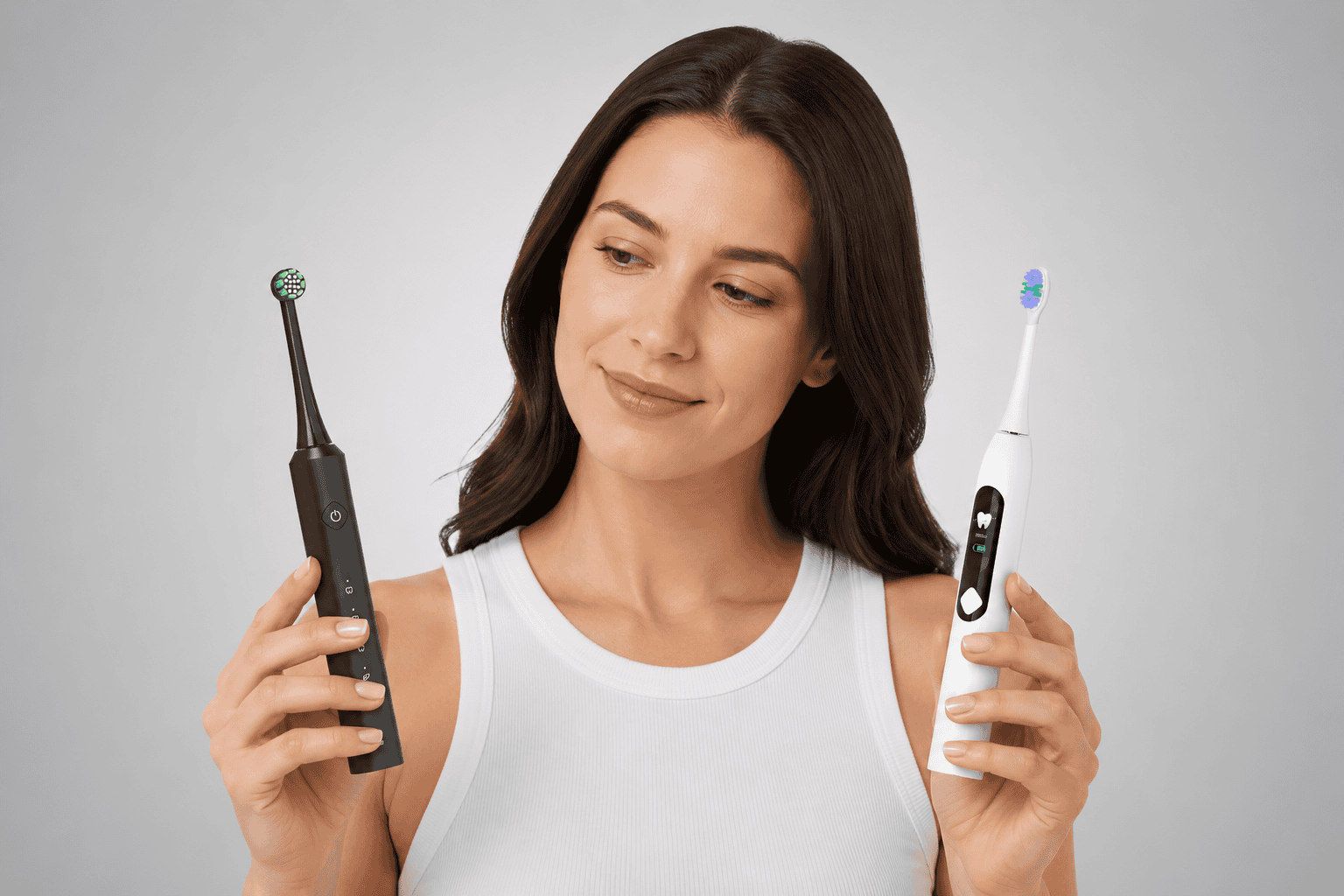
I’ve helped countless brand managers, like Emma, navigate the complex world of oral care products. They always want to know what truly makes a difference for the end consumer. It’s not about having the most features, but about having the right ones. Below, I’ll break down exactly what you need to look for, based on years of experience in the industry. Let’s make this decision simple and effective for you.
What types of electric toothbrushes are there?
Are you confused by terms like "sonic" and "oscillating"? Choosing the wrong type can mean you’re not getting the best clean for your teeth. Let’s clarify the two main options.
There are two main types of electric toothbrushes: oscillating-rotating and sonic. Oscillating-rotating brushes have small, round heads that spin back and forth to scrub away plaque. Sonic toothbrushes vibrate at very high speeds, using fluid dynamics to clean deep between teeth and along the gumline.
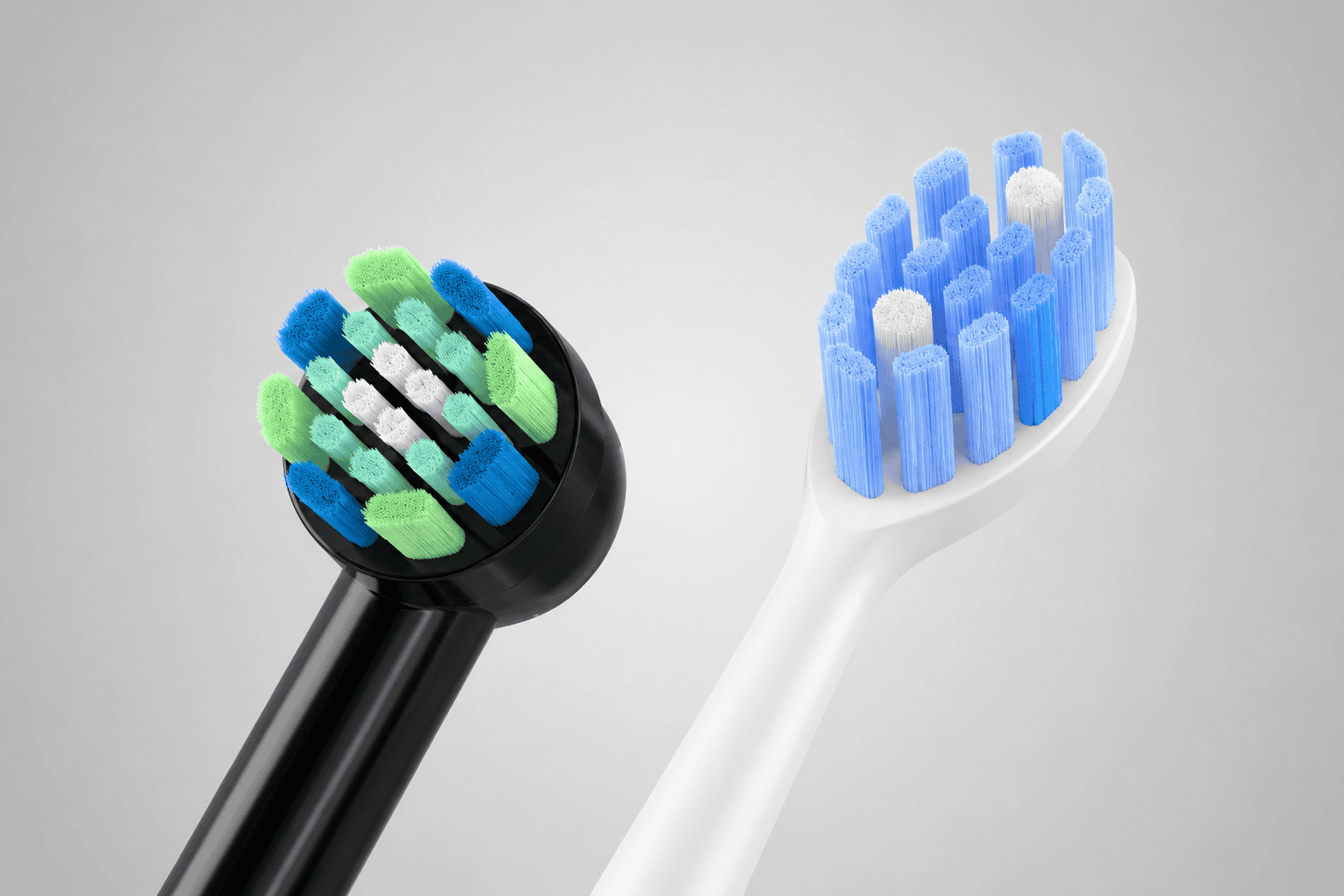
As an expert in oral care manufacturing, I often explain these differences to product managers. The choice between them depends on your personal preference and dental needs. An oscillating-rotating brush offers a powerful, scrubbing clean that is very effective at breaking up surface plaque. Many people feel this gives a "dentist-clean" feeling after each use. On the other hand, a sonic toothbrush is often gentler on the gums [1]. Its high-frequency vibrations create tiny bubbles that reach into areas other brushes can’t, like deep between teeth and below the gumline. This is great for people with sensitive gums or those who want a thorough yet gentle clean.
Here is a simple table to help you compare:
| Feature | Oscillating-Rotating | Sonic |
|---|---|---|
| Brush Head Shape | Small and round | Oblong, like a manual brush |
| Cleaning Action | Spins back and forth | Vibrates at high speed [1] |
| Best For | Removing stubborn plaque | Deep cleaning, sensitive gums |
| Feeling | Intense scrubbing | Gentle, high-frequency vibration |
What features are important when choosing an electric toothbrush?
Do all the fancy features on an electric toothbrush box leave you feeling overwhelmed? Many are just marketing noise. Let’s focus on the ones that actually improve your oral health.
The most important features to look for are a pressure sensor, a smart timer, and multiple cleaning modes. A pressure sensor stops you from brushing too hard, while a smart timer ensures you brush for the full two minutes. Different modes help you customize the clean to your needs.
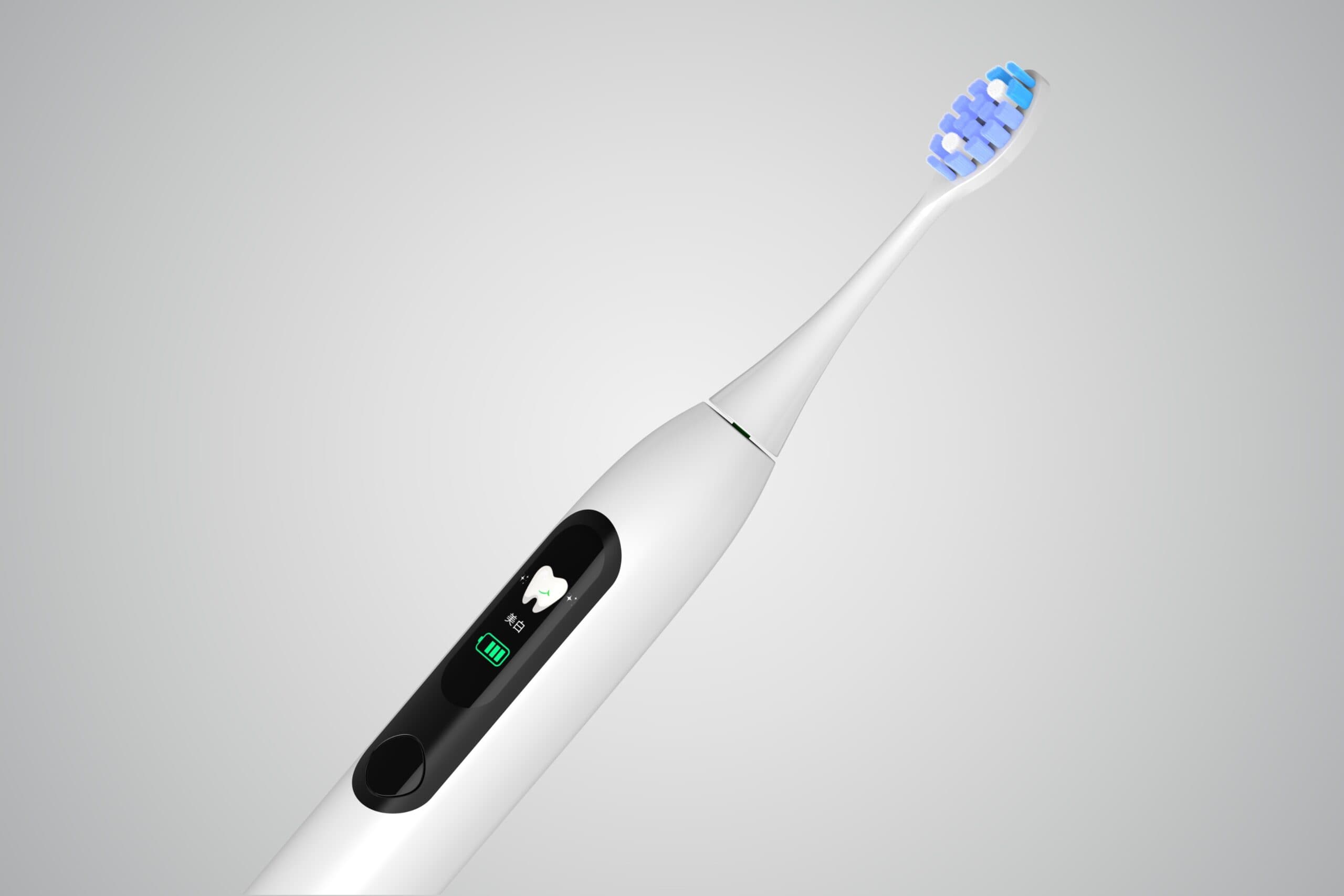
When developing products with brands, we always prioritize features that solve real problems. A pressure sensor is non-negotiable for premium brands because it prevents gum damage, a common issue with powerful toothbrushes. The smart timer is another essential feature. Most dentists recommend brushing for two minutes, and the timer, which often pauses every 30 seconds, guides you to clean each quadrant of your mouth equally. This simple feature builds better brushing habits. Multiple cleaning modes, such as ‘Sensitive,’ ‘Whitening,’ or ‘Gum Care,’ are also incredibly useful. They allow you to tailor the brush’s intensity and action to your specific needs on any given day. Finally, practical things like long battery life (at least two weeks) and convenient charging, like with a Type-C cable, make the daily experience much better.
Here’s a summary of the must-have features:
| Feature | Benefit |
|---|---|
| Pressure Sensor | Prevents gum damage from brushing too hard. |
| Smart Timer | Ensures you brush for the recommended 2 minutes. |
| Multiple Modes | Customizes brushing for sensitivity, whitening, etc. |
| Long Battery Life | Offers convenience, ideal for travel. |
What are the benefits of an electric toothbrush?
Are you wondering if an electric toothbrush is really worth the investment? A manual brush might feel familiar, but it can’t compete with the power and intelligence of an electric one.
Electric toothbrushes offer a superior clean by removing more plaque than manual brushes. They improve gum health with a gentle massaging action and have built-in timers to ensure you brush correctly every time. These benefits lead to a healthier mouth and a brighter smile.
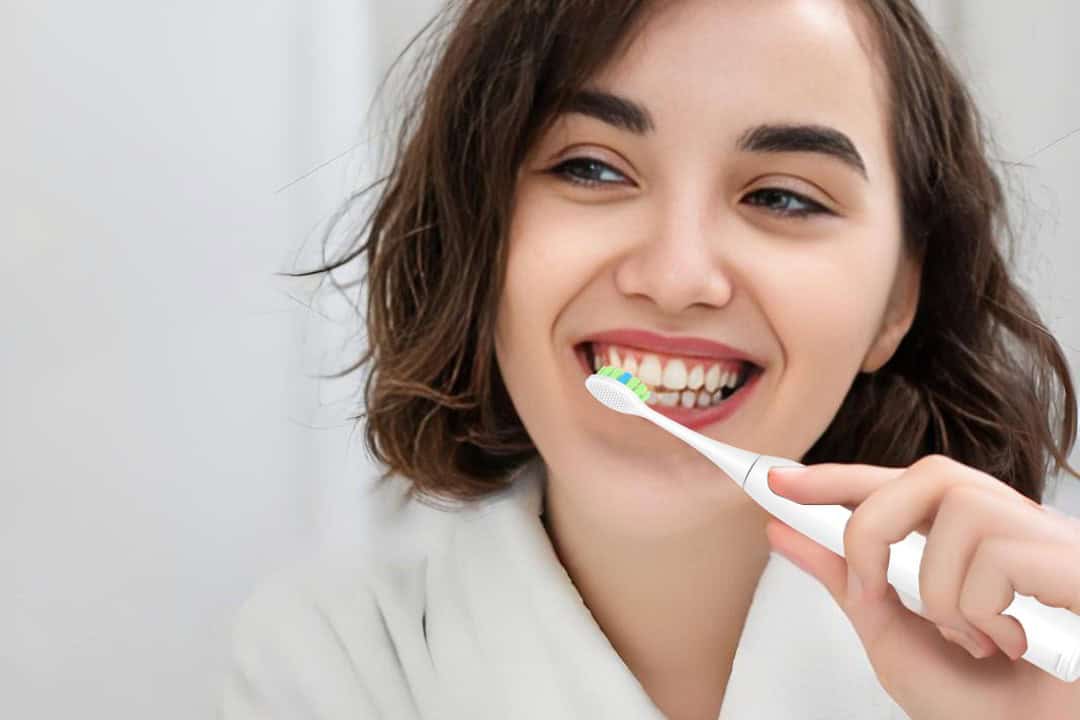
From a technical standpoint, the benefits are clear. An electric toothbrush motor can produce tens of thousands of brush strokes per minute—a speed that’s impossible to achieve by hand. This high-frequency vibration instantly turns toothpaste into a fine foam that cleans deep in the gaps between your teeth. I’ve seen the R&D reports, and the results are consistently impressive. Furthermore, the vibrations stimulate blood circulation in your gums, which has a gentle massaging effect and contributes to better gum health over time [1]. The built-in smart features, like the two-minute timer and pressure sensor, take the guesswork out of brushing. They act like a personal dental coach, making sure you use the proper technique every single day. This is why so many dentists recommend them; they simply make it easier for people to brush more effectively.
How do you use an electric toothbrush correctly?
So, you finally bought an electric toothbrush. Using it like your old manual one is a common mistake that won’t give you the best results. Let’s learn the right way to use it.
To use an electric toothbrush correctly, apply a small amount of toothpaste, place the brush head against your teeth at a 45-degree angle to the gumline, and then turn it on. Gently guide the brush from tooth to tooth and let it do all the work. Do not scrub.
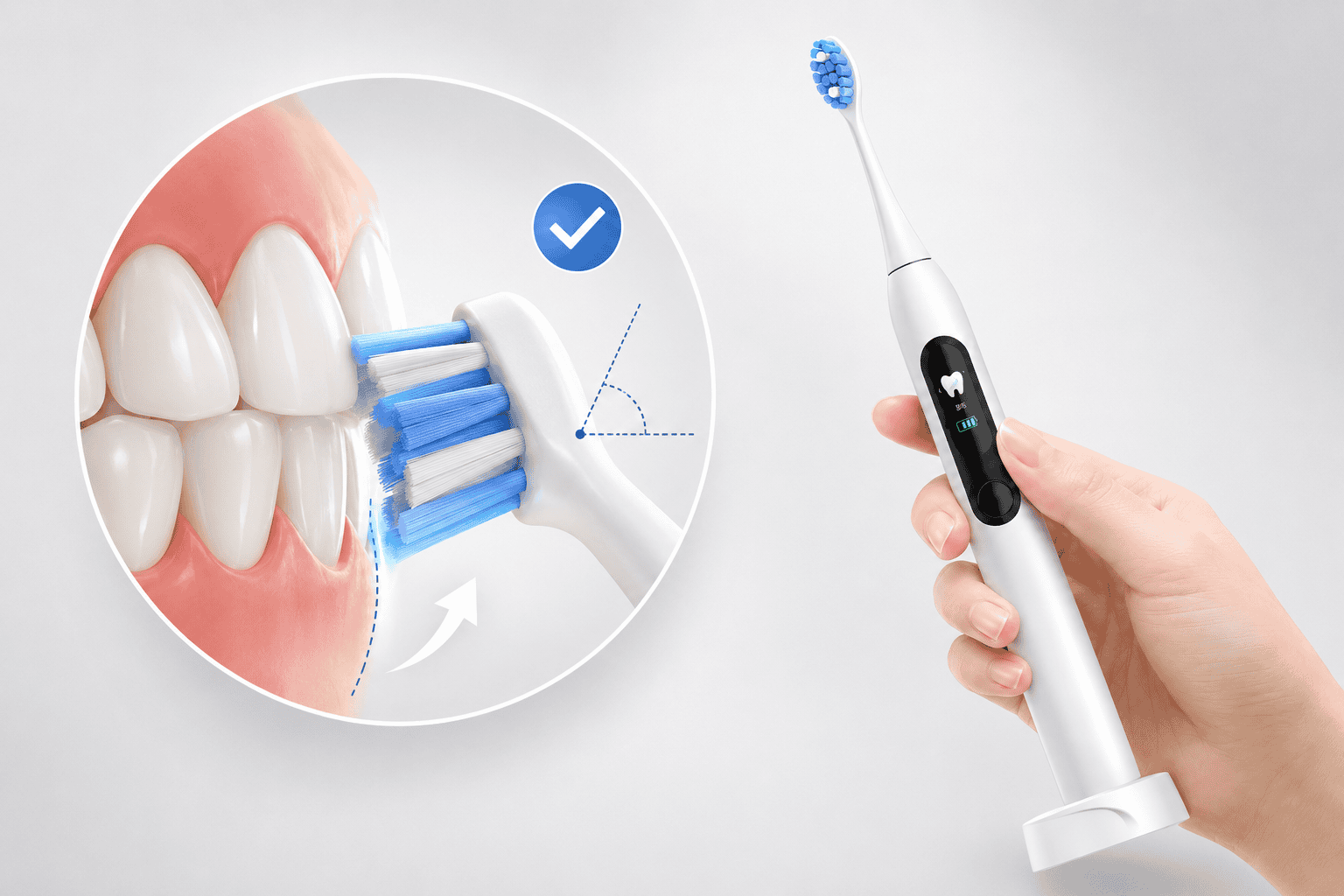
In my training sessions with sales teams, I always emphasize the "guiding, not scrubbing" technique. The brush is designed to do the work for you. Here’s a simple step-by-step guide. First, divide your mouth into four sections: top right, top left, bottom right, and bottom left. Apply a pea-sized amount of toothpaste. Place the brush on the first tooth without turning it on. Position the bristles to face your gumline at a 45-degree angle. Now, turn it on. Hold the brush on each tooth for a few seconds before gliding it to the next one. Let the high-speed movements do the cleaning. Most electric toothbrushes will vibrate every 30 seconds to tell you when it’s time to move to the next section. After two minutes, the brush will automatically turn off. All you have to do is guide it. This simple method ensures every tooth gets the attention it needs for a perfect clean.
Conclusion
Choosing the right electric toothbrush is easy. Focus on the cleaning technology and essential features like a pressure sensor. This will help you find a brush that keeps your smile healthy.