
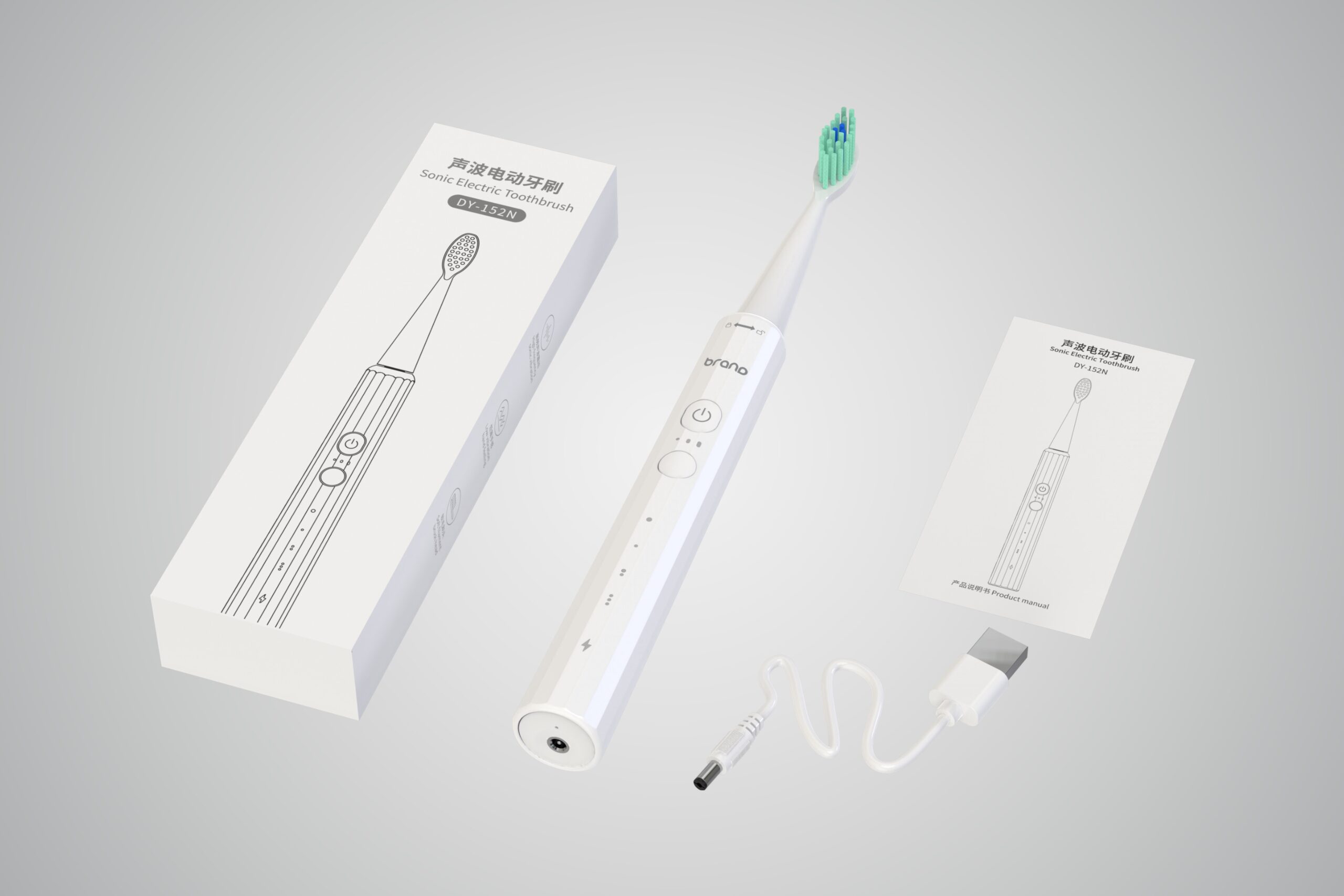
Choosing the right electric toothbrush for your brand is overwhelming. The wrong choice can lead to a failed product launch. I’ll help you simplify the key features.
To choose the right electric toothbrush, focus on the core technology (sonic or rotating) and essential features dentists recommend. These include a two-minute timer, a pressure sensor, and soft bristles. This ensures you select a competitive and effective product for your brand.
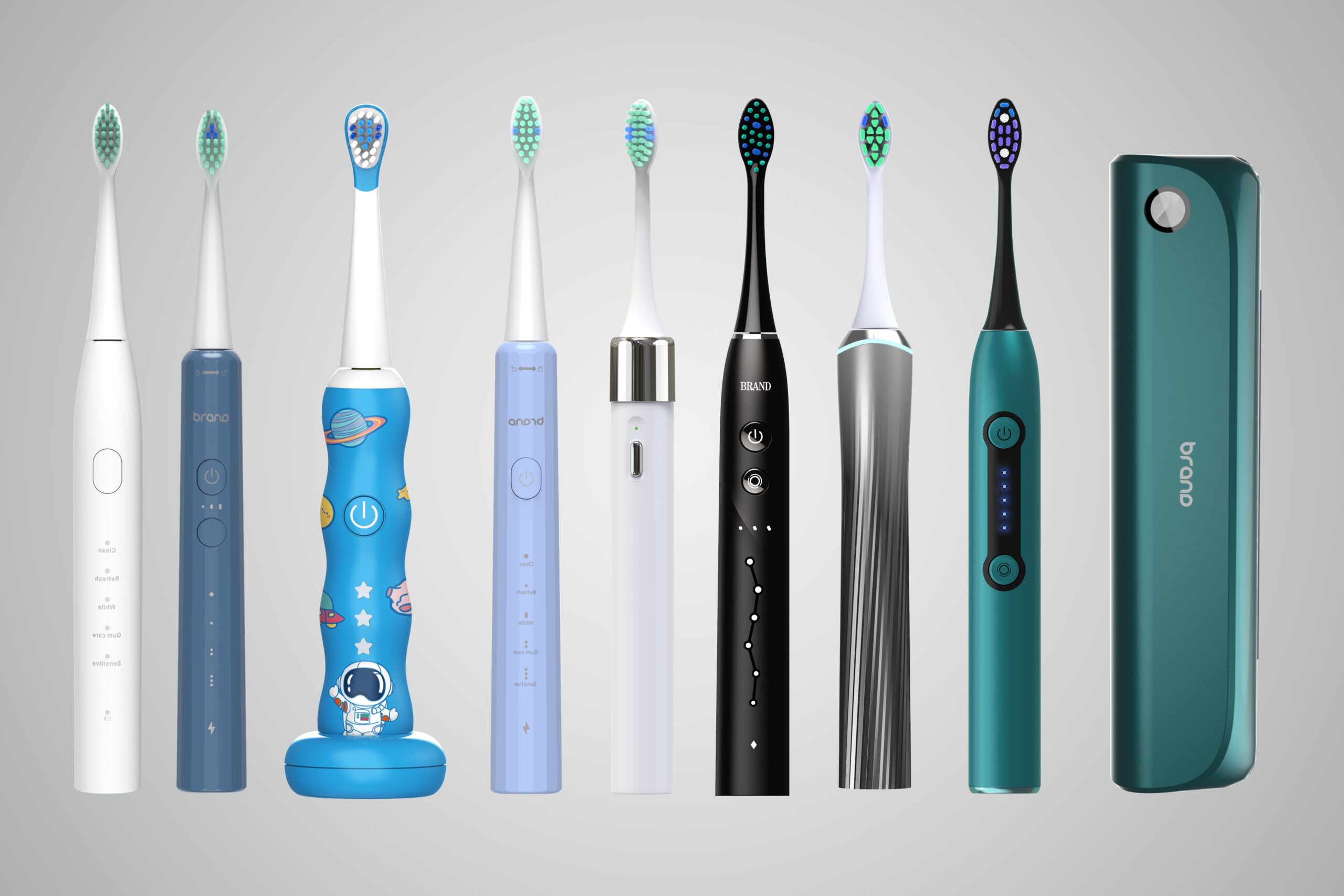
As a product manager, you need to know what makes one toothbrush better than another. It’s not just about adding features. It’s about choosing the right features that deliver real value to your customers and strengthen your brand. I’ve helped many brands like yours navigate these choices. Let’s break down the most important factors so you can make a decision with confidence.
Oscillating-Rotating or Sonic: Which Technology is Better for Your Customers?
Confused by different toothbrush technologies? This confusion can stall your product development. I’ll explain the key differences to help you choose the best fit for your brand.
Oscillating-rotating brushes offer an intense, "dentist-clean" feel, while sonic brushes are gentler, using high-frequency vibrations to clean deep between teeth. The choice depends on the user experience your brand wants to deliver and the target audience you are serving.
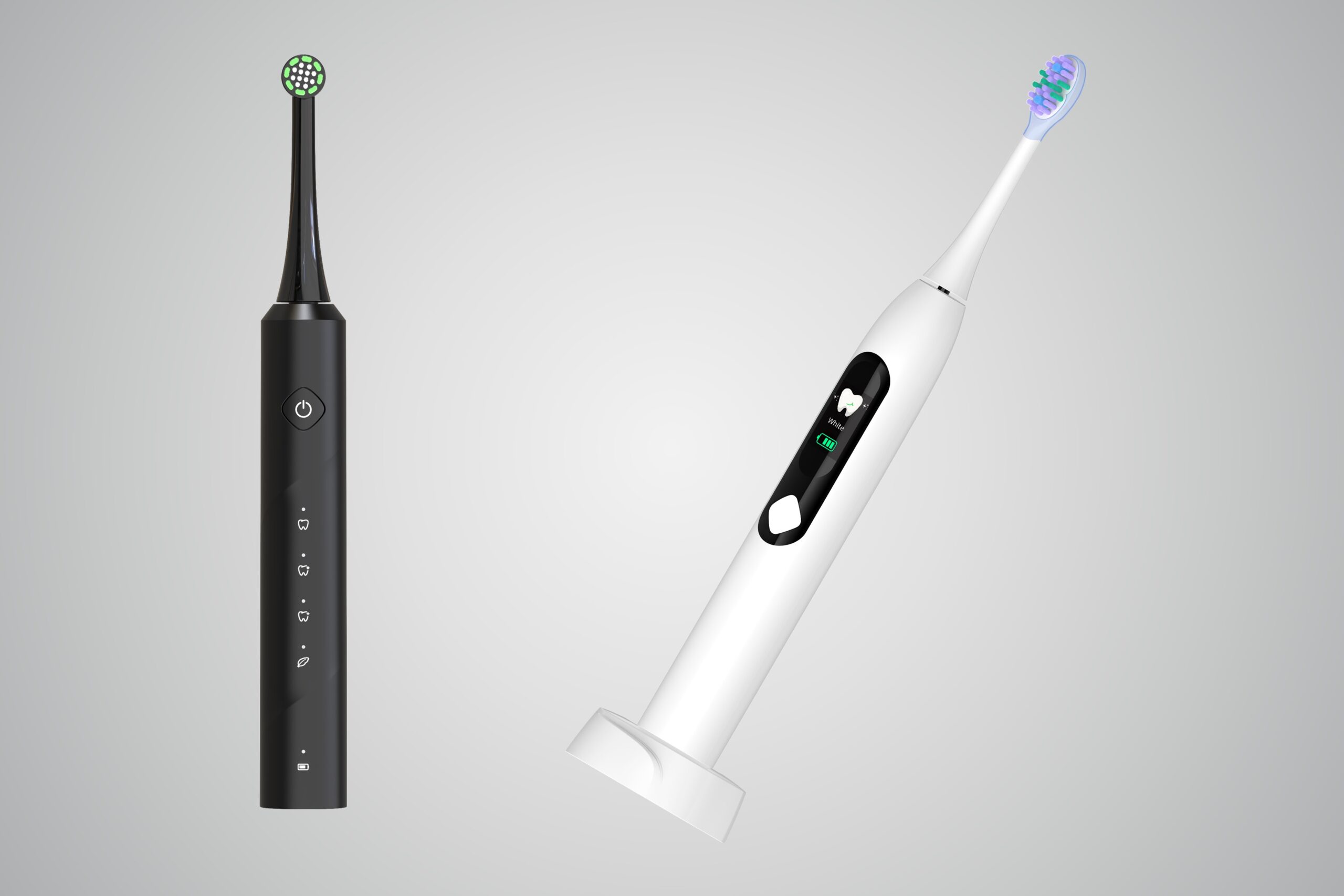
The motor and the way the brush head moves are the heart of any electric toothbrush. This core technology defines the cleaning experience. I’ve found that understanding these two main types is the first and most important step in developing a new product line. Your choice here will influence everything from product design to marketing claims.
The Two Main Technologies
The market is dominated by two primary types of cleaning action. Each has its own strengths and appeals to different customer preferences. It is important to know that some studies show rotating brushes can cause more wear on teeth compared to sonic vibration brushes.
| Technology Type | How It Works | User Experience |
|---|---|---|
| Oscillating-Rotating | The small, round brush head rotates back and forth and pulses to break up plaque. | Feels powerful and intense, often described as a "deep clean." Can be noisier and more abrasive. |
| Sonic | The brush head vibrates at very high speeds (e.g., up to 41,000 times/min). This creates fluid dynamics that clean deep into gaps between teeth and below the gumline. | Feels gentler and quieter. It cleans teeth effectively while being gentle on tooth enamel. |
At Besman, we have focused on perfecting sonic technology. We develop our own advanced magnetic levitation motors that provide powerful, consistent performance and a longer lifespan. I believe this technology offers a superior and safer cleaning experience, which is what premium brands and their customers are looking for. It cleans the tooth surface and also tackles hard-to-reach areas, which is a key advantage.
Which Electric Toothbrush Features Actually Matter to Consumers?
Are you overwhelmed by a long list of features? Adding unnecessary tech increases costs and can confuse your customers. I’ll help you focus on what truly adds value.
Focus on the essentials that dentists recommend: a two-minute timer, a 30-second pacer (quadrant timer), and a pressure sensor. These features guide users to brush correctly, adding real, tangible value and ensuring a safe, effective clean every time.
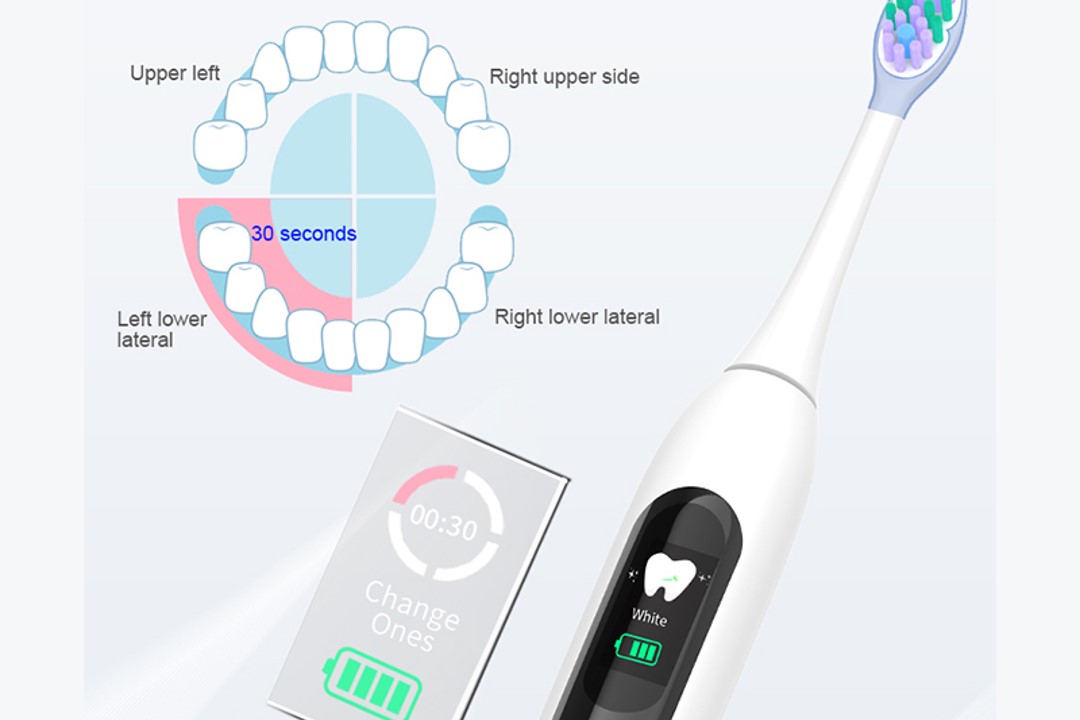
When developing a new toothbrush, it’s easy to get caught up in a features race. However, my experience with successful brands shows that the best products are often the ones that perfect the basics. Instead of adding every possible bell and whistle, we should focus on the features that help users build better brushing habits.
Guiding a Perfect Clean
Dentists recommend brushing for two minutes, spending 30 seconds on each quadrant of the mouth. But most people don’t time themselves. This is where smart features can really help.
- Two-Minute Timer: The toothbrush automatically stops after two minutes of use. This simple feature ensures users brush for the recommended duration.
- 30-Second Pacer: The toothbrush briefly pauses or vibrates every 30 seconds. This tells the user it’s time to move to the next quadrant of their mouth, ensuring an even clean across all teeth.
These two features are now standard on most quality electric toothbrushes. They are simple, effective, and something customers have come to expect.
Preventing Damage
One of the biggest mistakes people make is brushing too hard, which can damage gums and enamel.
- Pressure Sensor: This feature alerts the user when they are applying too much force. The toothbrush might flash a light, slow down its vibrations, or make a sound. It’s a critical safety feature for a powerful cleaning device.
- Soft Bristles: The bristles are just as important as the motor. Always choose soft or extra-soft bristles. Our electric toothbrushes are already powerful, so firm bristles are unnecessary and can be harmful. We often use high-quality, end-rounded DuPont filaments or soft, double-tipped filaments for sensitive gums.
What Other Factors Should Influence Your Product Choice?
Thinking beyond the basics is hard. Ignoring factors like battery life and cleaning modes can lead to poor reviews. Let’s cover the details that create long-term satisfaction.
Consider battery life, the number and type of cleaning modes, and the charging method. These factors impact daily convenience and user satisfaction, playing a key role in how a customer perceives your brand’s quality and thoughtfulness long after the initial purchase.
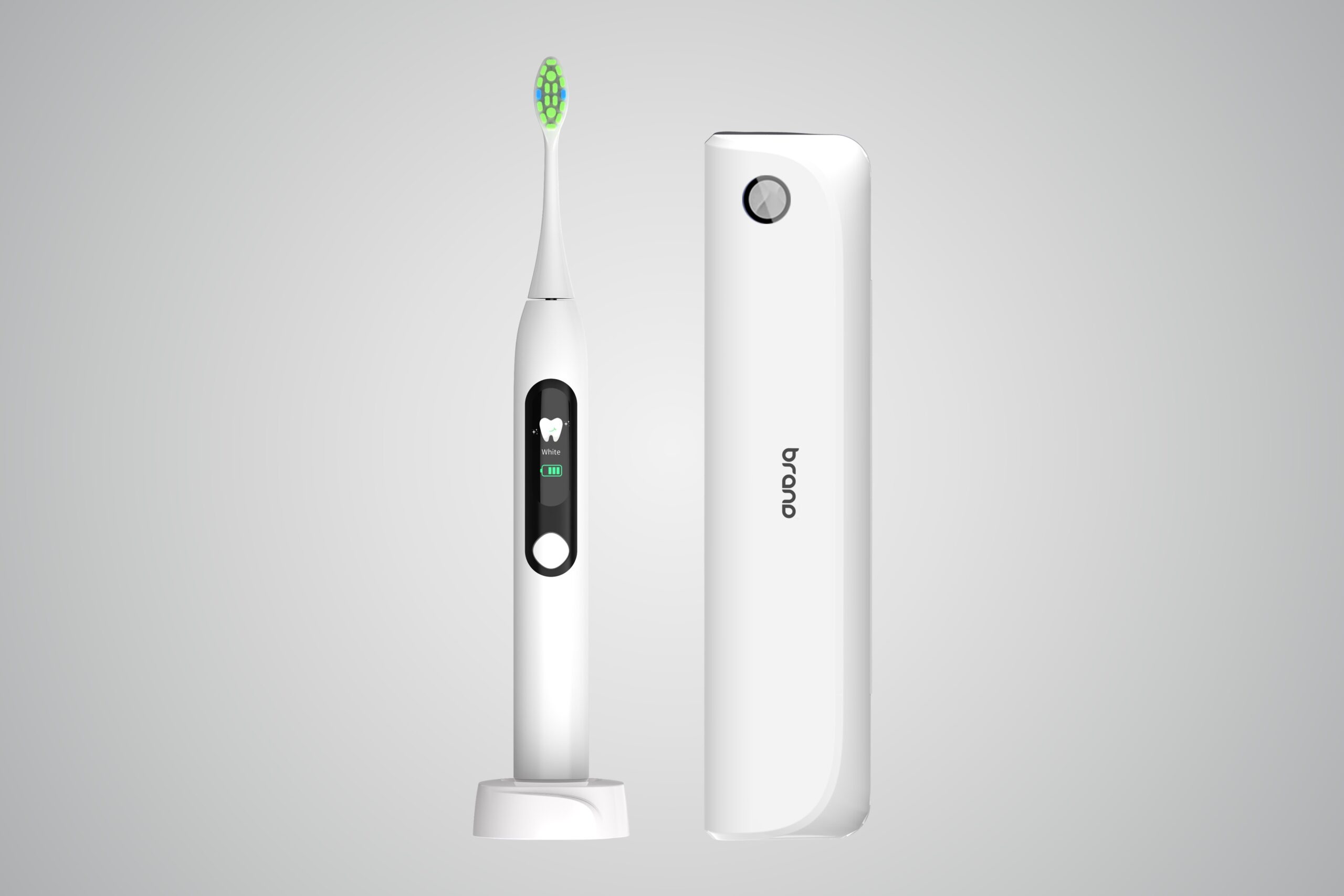
Once you have the core technology and essential safety features decided, you can think about the other elements that define the user experience. These are the details that can set your premium brand apart. From my experience, customers appreciate products that are not just powerful, but also convenient and easy to live with.
Customizing the Experience with Modes
Many toothbrushes offer multiple cleaning modes. While some high-end models have five or more, the most useful ones are typically:
- Clean: The standard mode for daily use.
- Sensitive: A gentler mode with lower vibration for sensitive teeth or gums.
- White/Polish: A mode with variable frequencies designed to remove surface stains.
- Gum Care/Massage: A mode with low-frequency vibrations to gently stimulate the gums.
While having many modes like "Fresh" or "Polish" can seem appealing, I advise my clients to focus on 3-4 modes that offer distinct, easily explainable benefits.
Powering the Product
Battery life and charging are huge factors for convenience.
- Battery Life: A long battery life is a major selling point. Many of our models can last 25 days or even more than 35 days on a single charge, which is perfect for travelers. We can customize the battery capacity to meet your target runtime.
- Charging Method: There are several options. A standard DC charging port is cost-effective. USB Type-C is becoming very popular for its convenience. And for a truly premium feel, wireless charging offers the sleekest and most seamless experience.
We can build any of these options into your product to match your brand’s positioning and price point. These practical features are often what turn a good product into a great one.
Conclusion
Choosing the right toothbrush means balancing technology with essential features and practical considerations. This ensures the final product perfectly aligns with your brand’s promise of quality and innovation.