
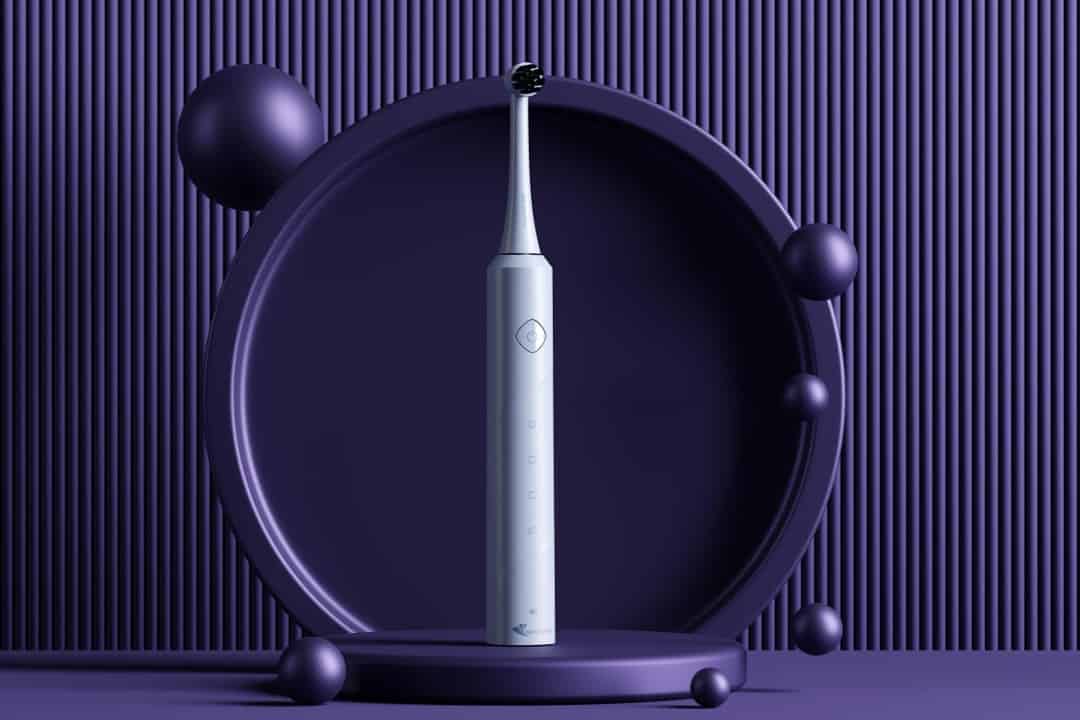
Confused about where your Oral-B toothbrush is made? The answer isn’t simple, as production is global. You want clarity on their "Made In" label, and I can explain it.
Oral-B electric toothbrushes are primarily manufactured in Germany and China. The Marktheidenfeld factory in Germany produces their premium rotary models, like the iO and Genius series. Meanwhile, a facility in Shanghai, China, handles sonic toothbrushes and products specifically for the Asia-Pacific market.
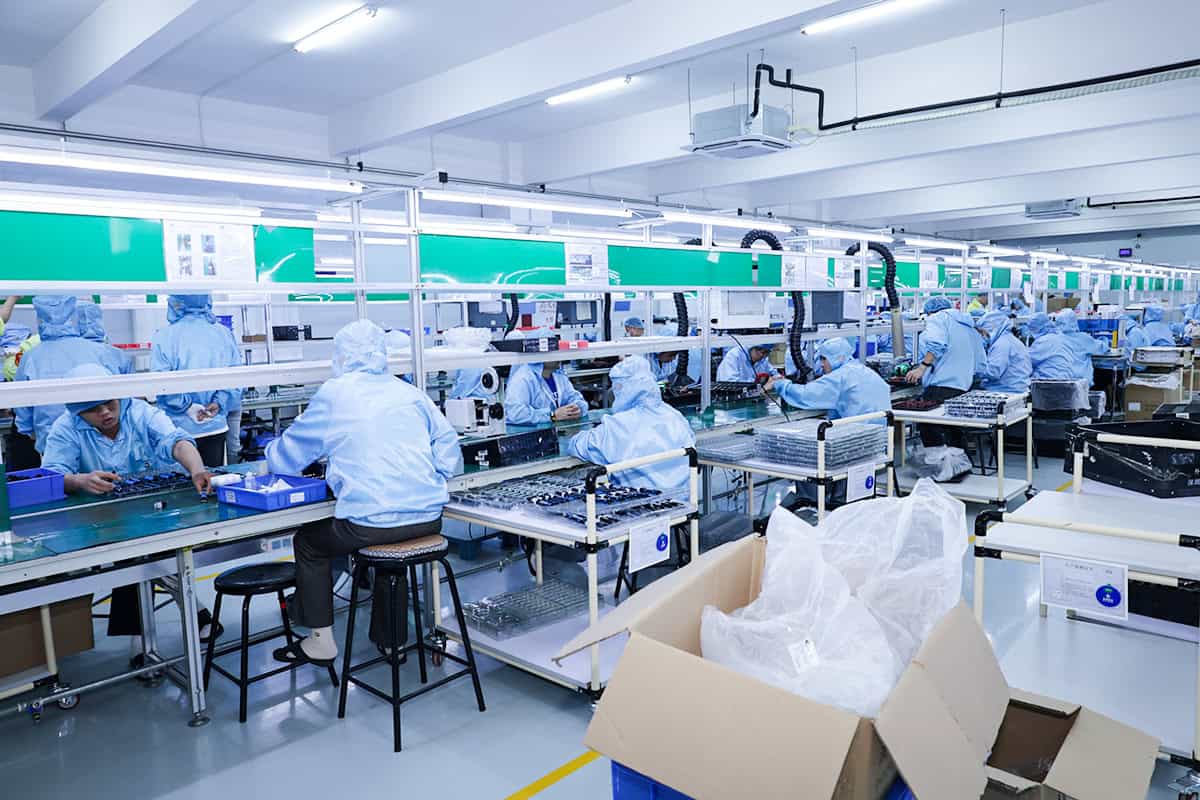
As someone who works in oral care manufacturing, I often discuss supply chains with brand managers. They look at a giant like Oral-B and want to understand how they operate. It’s a very smart question. Knowing where a product is made tells you a lot about the brand’s strategy, its costs, and its quality focus. It’s not just about a single location; it’s about a complex global puzzle. Let’s look at the pieces of this puzzle together. This knowledge is crucial when you’re planning your own product line.
Which Country Makes Oral-B Toothbrushes?
You see various Oral-B models on the shelf and wonder if they all come from the same factory. This can make it hard to understand the full production story.
Oral-B toothbrushes are not made in a single country. Manufacturing is global: Germany is the hub for premium rotary models, while China makes sonic models and products for Asia. The USA, Mexico, and India also play key roles in producing brush heads and manual toothbrushes.
When I talk with brand managers like Emma, they are often trying to build a resilient and efficient supply chain. They can learn a lot from Oral-B’s strategy. Spreading production across different countries is a deliberate choice. It’s not just about chasing lower costs. It’s about placing manufacturing where it makes the most sense for technology, logistics, and market access. Germany provides engineering prestige, while China offers incredible scale and proximity to the Asian market. This multi-hub approach is a hallmark of a mature global brand. It allows them to balance quality, cost, and speed.
A Global Manufacturing Footprint
Oral-B’s approach shows how a company can use geography to its advantage. Each location has a specific purpose.
| Country | Primary Role | Example Products |
|---|---|---|
| Germany | Premium Engineering & Assembly | iO Series, Genius Series |
| China | Sonic Models & APAC Market Supply | Sonic Toothbrushes, Regional Lines |
| USA | Brush Head Manufacturing | Replacement Brush Heads |
| Mexico | Manual Toothbrush Production | Manual Toothbrushes |
| India | Manual Toothbrush Production | Manual Toothbrushes (Regional) |
This table shows a clear strategy. High-tech, high-margin products are centered in Germany, leveraging the "German engineering" reputation. China is used for high-volume production and to serve the huge local market directly. This is something we at Besman help smaller brands understand: you don’t need a dozen factories, but you do need a smart plan for where you produce your goods to match your brand’s goals.
Who Manufactures Oral-B Toothbrushes?
You know the brand is Oral-B, but who is the company actually making the product? Is it an anonymous factory, or is the brand owner directly involved in the process?
Oral-B toothbrushes are manufactured by Procter & Gamble (P&G). P&G acquired the brand and later bought the German appliance company Braun. It merged Braun’s engineering expertise with the Oral-B brand to create the electric toothbrush line we know today.
This story is fascinating from a business perspective. Oral-B was a brand, but P&G gave it manufacturing power. The key move was buying Braun. Braun had a legendary reputation for German engineering and design. By putting the Braun technology inside Oral-B products, P&G created a powerhouse. They weren’t just outsourcing to a random factory. They took control of the entire process by operating their own P&G-owned facilities, like the famous one in Germany. This is what we call vertical integration.
The Power of Procter & Gamble (P&G)
When brand managers I work with are looking for a manufacturing partner, they are looking for this same sense of control and integration. They don’t want to just send a design to a factory and hope for the best. They want a partner who, like P&G does for itself, can manage the entire process from R&D to mass production. This ensures quality and consistency, which is vital for building a premium brand. P&G’s ownership of the factories means they have complete authority over the quality and innovation of their products, a goal that many brands aspire to achieve with partners like us.
What Are Oral-B’s Key Manufacturing Locations?
You’ve heard "Germany" and "China," but these are big countries. You are likely curious about the specific factories that are the heart of Oral-B’s production.
Oral-B’s main electric toothbrush factories are in Marktheidenfeld, Germany, and Minhang, Shanghai, China. Marktheidenfeld is P&G’s global dental innovation center. The Minhang plant focuses on sonic models and serves the massive Asia-Pacific market.
Let’s dive deeper into what makes these two locations so important. They are not just random spots on a map; they are strategic assets for P&G’s oral care business. Each one plays a distinct and critical role in the brand’s global dominance. Understanding their functions gives you a clear picture of how a top-tier brand organizes its production for both premium quality and market reach.
A Tale of Two Factories: Marktheidenfeld and Minhang
The factory in Marktheidenfeld, Germany, is the crown jewel. It’s more than a factory; it’s P&G’s global center for dental innovation. This is where the core engineering for their famous rotary and iO technologies is developed and perfected. Having R&D and production in the same place allows for rapid innovation and strict quality control. It’s the physical embodiment of the "German Engineering" promise.
The factory in Minhang, Shanghai, China, plays a different but equally important role. Its location is strategic. It allows Oral-B to efficiently produce and distribute products for the enormous and fast-growing Asia-Pacific market. It specializes in sonic toothbrushes, which are very popular in that region. This isn’t about "cheap labor"; it’s about being close to your customers and tapping into China’s world-class manufacturing ecosystem. I’ve visited many facilities in China, and the integration of technology and scale is truly impressive.
Are Oral-B Products Made in China?
You see "Made in China" on a product and might have questions about its quality or why it’s made there. It’s easy to assume it is all about cutting costs.
Yes, some Oral-B electric toothbrushes are made in China. P&G has its own factory in Minhang, Shanghai. This plant produces sonic models and other products for the Asia-Pacific market. This is a strategic choice, not just a cost-saving one.
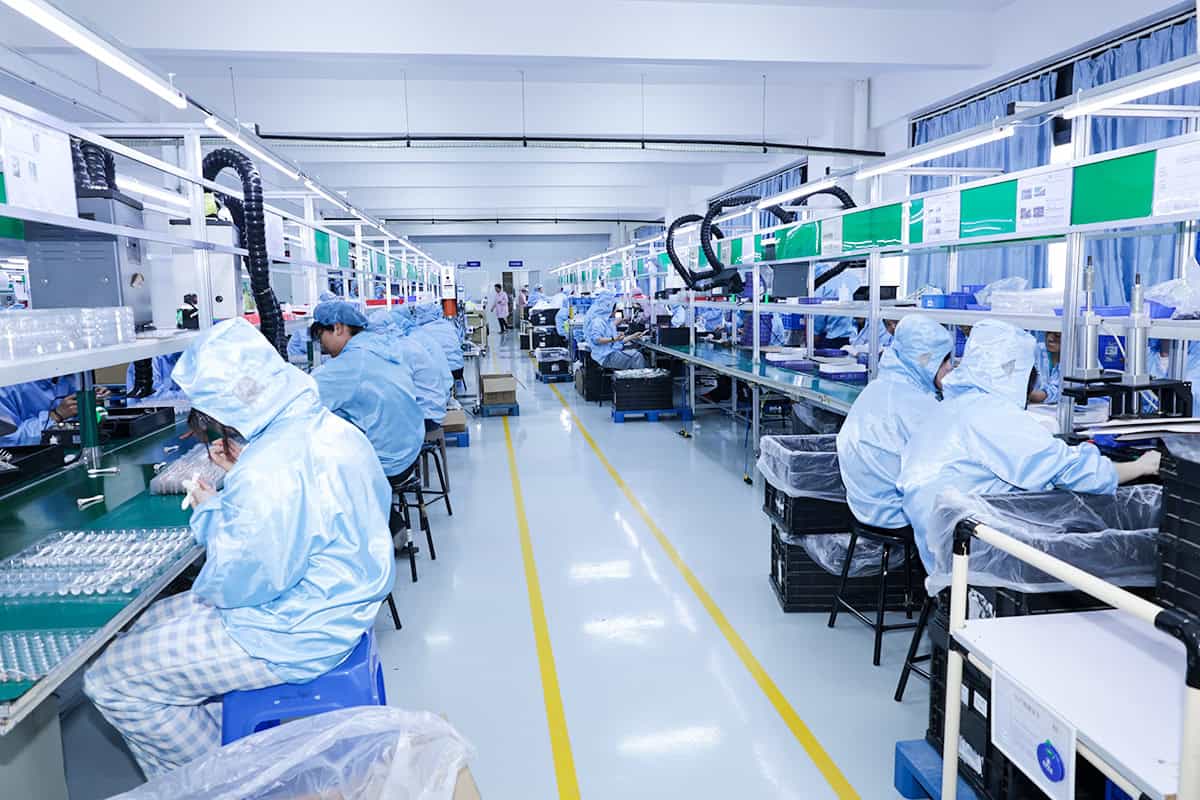
The "Made in China" label has changed a lot over the years. For a brand manager like Emma, it’s important to understand this evolution. In the past, it might have meant simple, low-cost goods. Today, for technology products like electric toothbrushes, it means access to a highly skilled workforce, incredible production scale, and one of the most advanced supply chains in the world. I work in Shenzhen, the heart of China’s tech innovation [1], and I see this every day.
The Strategic Role of "Made in China"
Oral-B’s Shanghai factory is a perfect example of this modern strategy. They don’t make their premium iO series there; they focus on sonic toothbrushes and products tailored for the local market. This approach is smart for two reasons. First, it puts production right next to a massive consumer base, reducing shipping costs and lead times. Second, it allows them to tap into the local expertise in manufacturing sonic technology. Companies like mine, Besman, are part of this new reality. We are a national high-tech enterprise that partners with global brands to develop and manufacture sophisticated oral care products [1], proving that "Made in China" now stands for innovation and quality.
Is Oral-B Still Made in Germany?
With so much manufacturing moving around the globe, you might wonder if Oral-B’s German roots are still strong. Is "German Engineering" just a marketing slogan from the past?
Absolutely. Oral-B’s premium electric toothbrushes are still proudly made in Germany. The Marktheidenfeld factory is P&G’s global innovation hub and handles the engineering and final assembly for high-end lines like the iO and Genius series.
Keeping this manufacturing base in Germany is a very deliberate and expensive decision for P&G. They do it for a simple reason: it protects the brand’s premium image. The "Made in Germany" label is a powerful signal to consumers. It implies superior quality, precision engineering, and durability. For a product like the Oral-B iO, which can cost hundreds of dollars, this seal of quality helps justify the price. It’s a core part of the product’s value proposition.
The Enduring Value of "Made in Germany"
This is where the legacy of Braun really shines. P&G continues to invest in the Marktheidenfeld facility because it’s the heart of their innovation. I talk to brand managers all the time who want to create a similar story for their products. They know that a product’s country of origin can be a powerful marketing tool. Whether it’s German engineering, Italian design, or Swiss precision, the manufacturing location can elevate a brand. Oral-B understands this better than anyone, and they use their German factory to anchor the top end of their entire product portfolio, creating a halo of quality that benefits the whole brand.
Conclusion
Oral-B uses a smart global strategy, making products in Germany for premium engineering and in China for regional scale. This approach ensures top quality for high-end lines while efficiently serving markets worldwide.