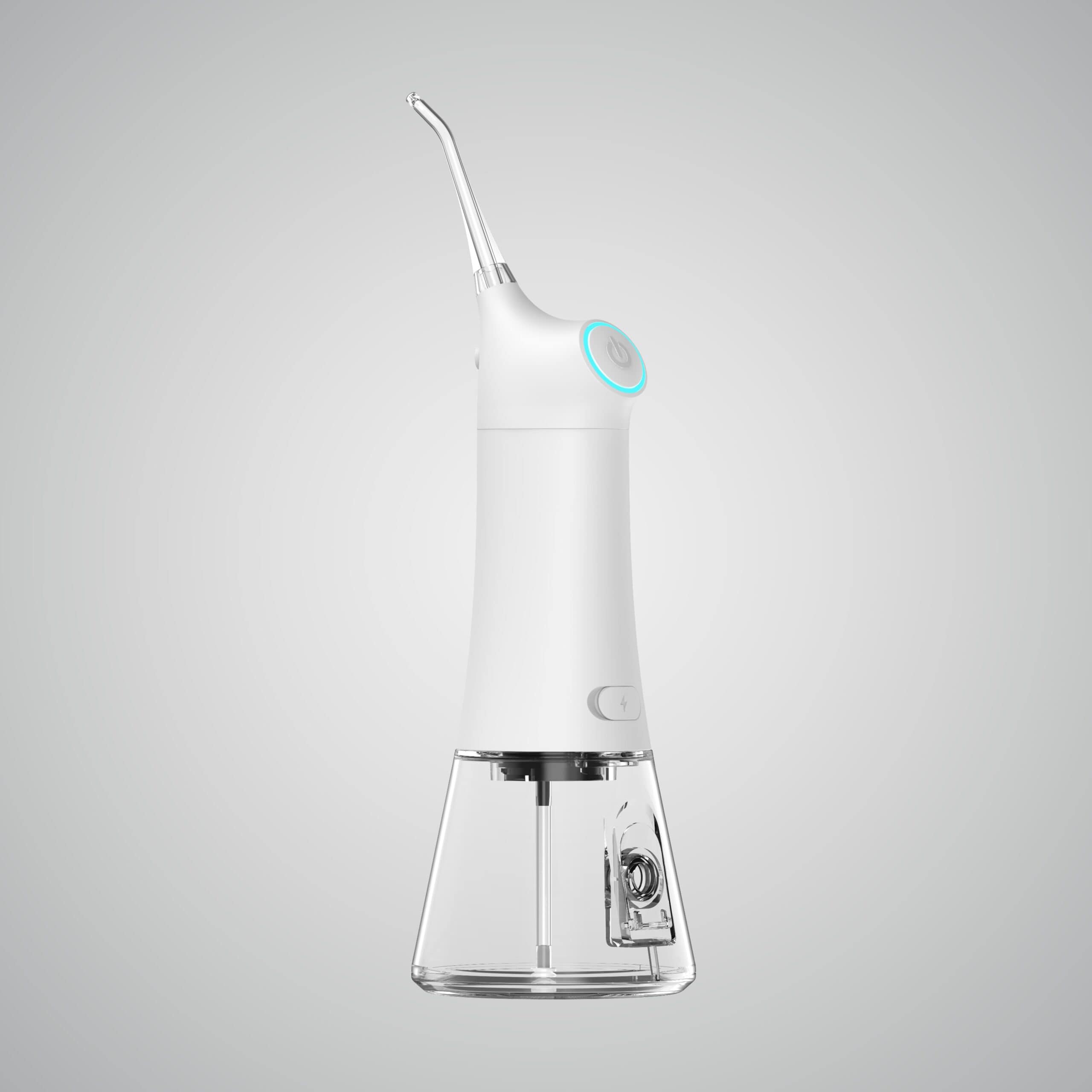
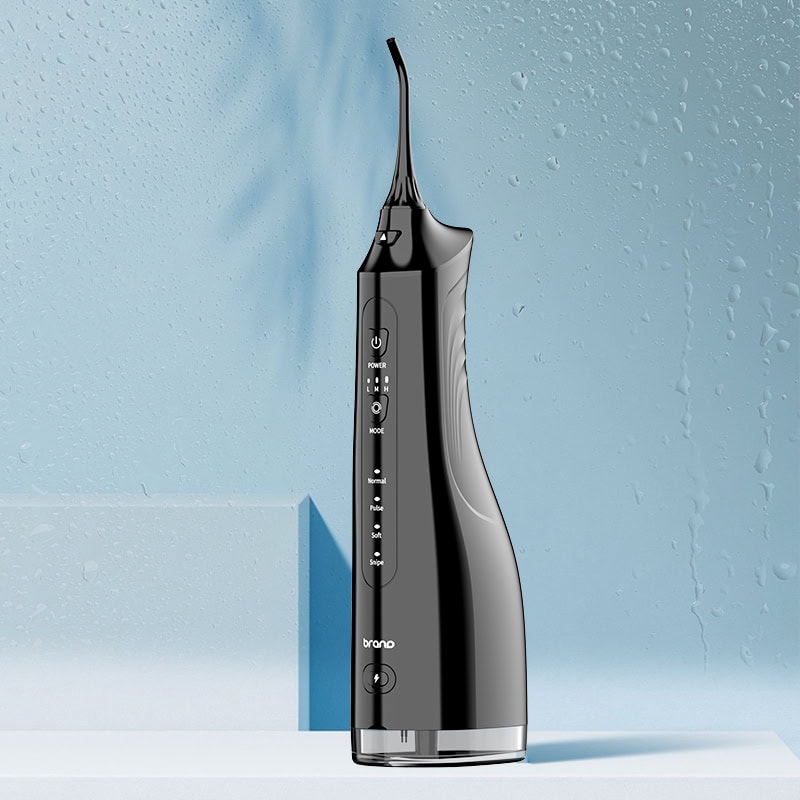
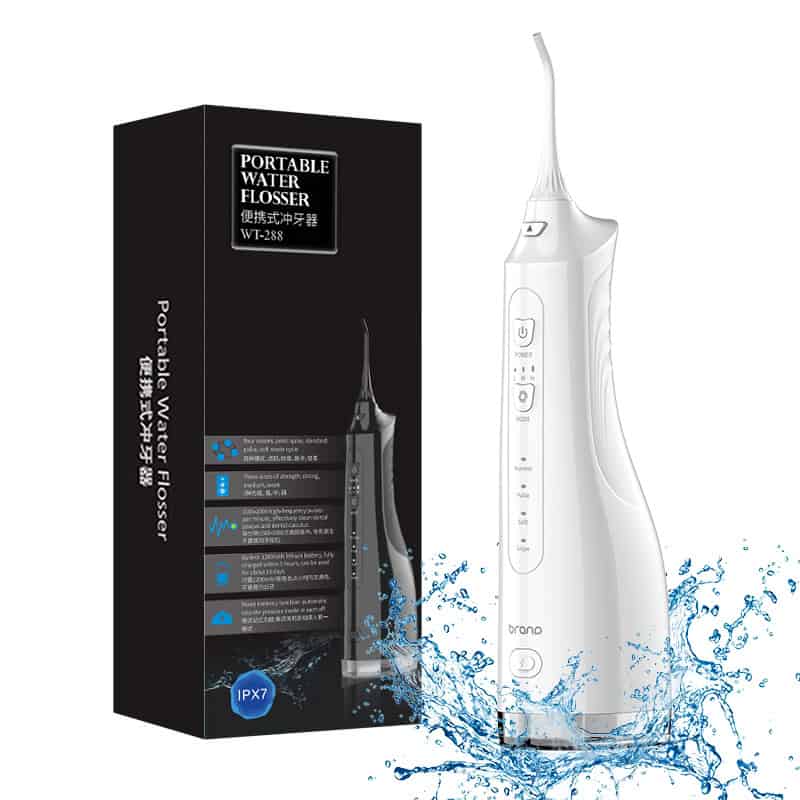
WT-298 Water Flosser
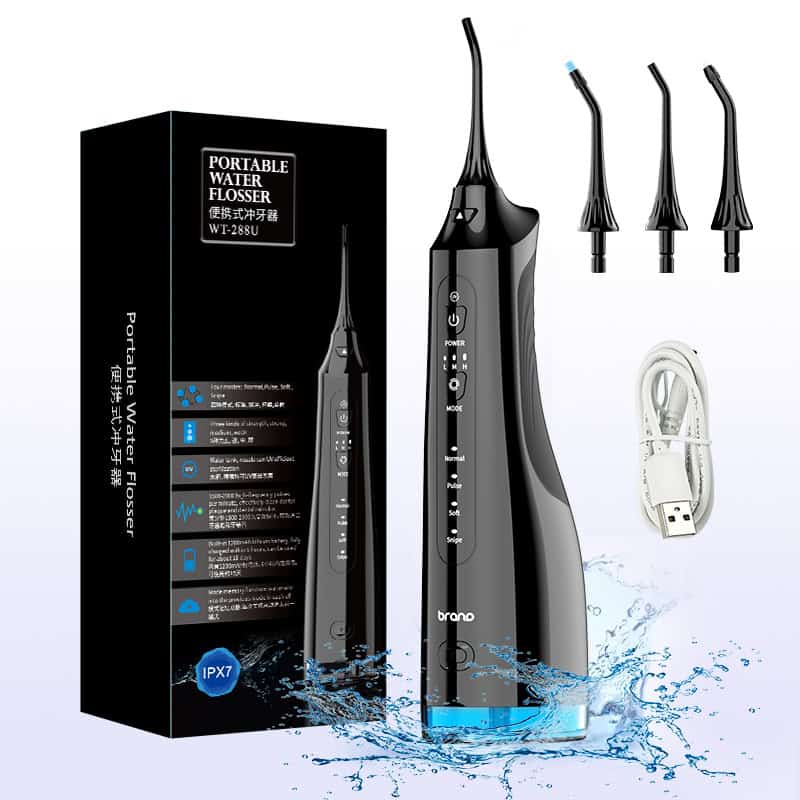
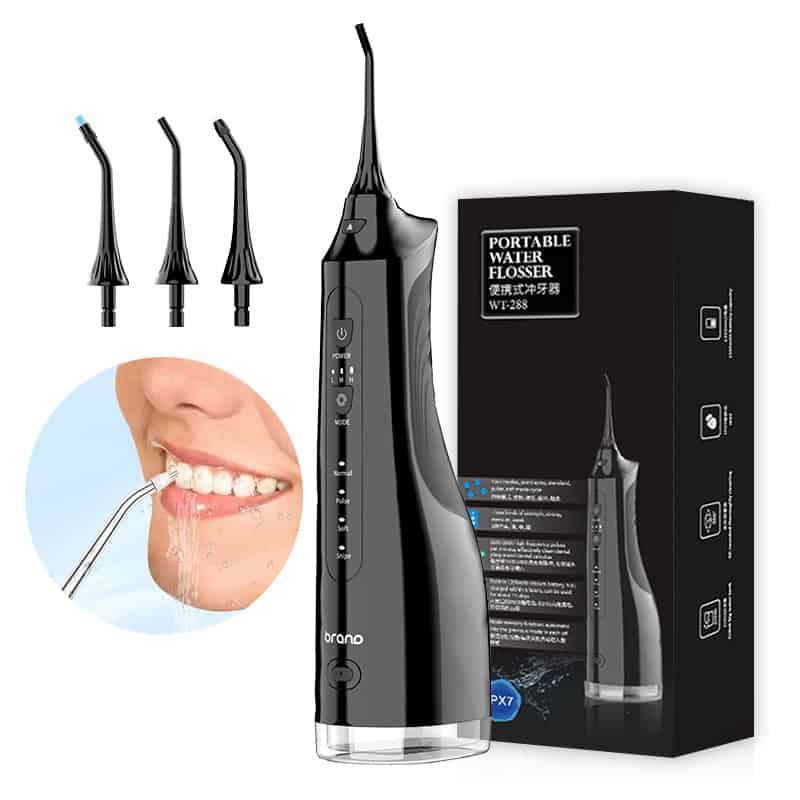
Multifunctional model with a 280 ml tank, 30–120 PSI pressure, Type-C charging, and multiple nozzle options for targeted oral care.

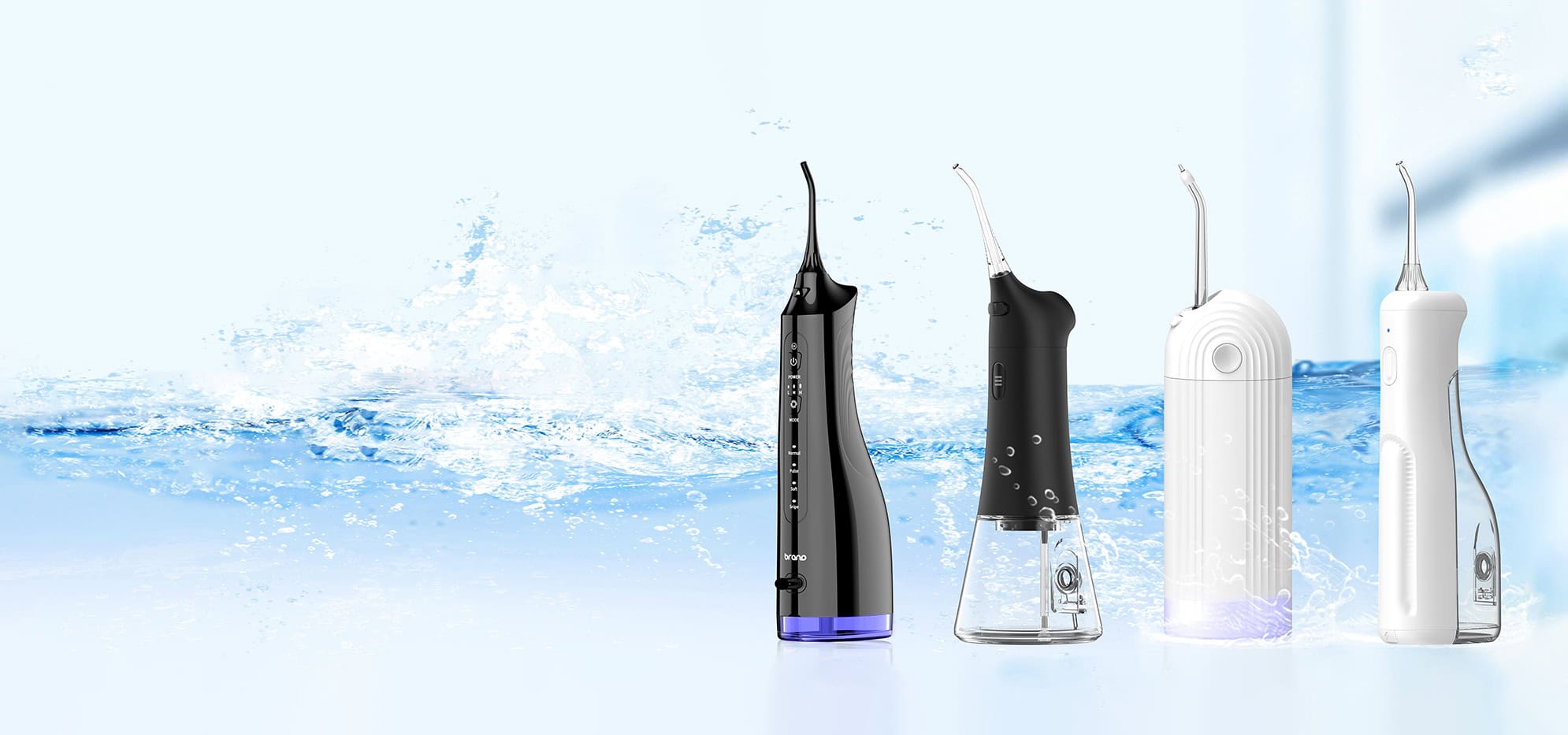
Develop a market-ready water flosser line with practical structures, stable cleaning performance, and flexible product configurations for your brand or sales channel.
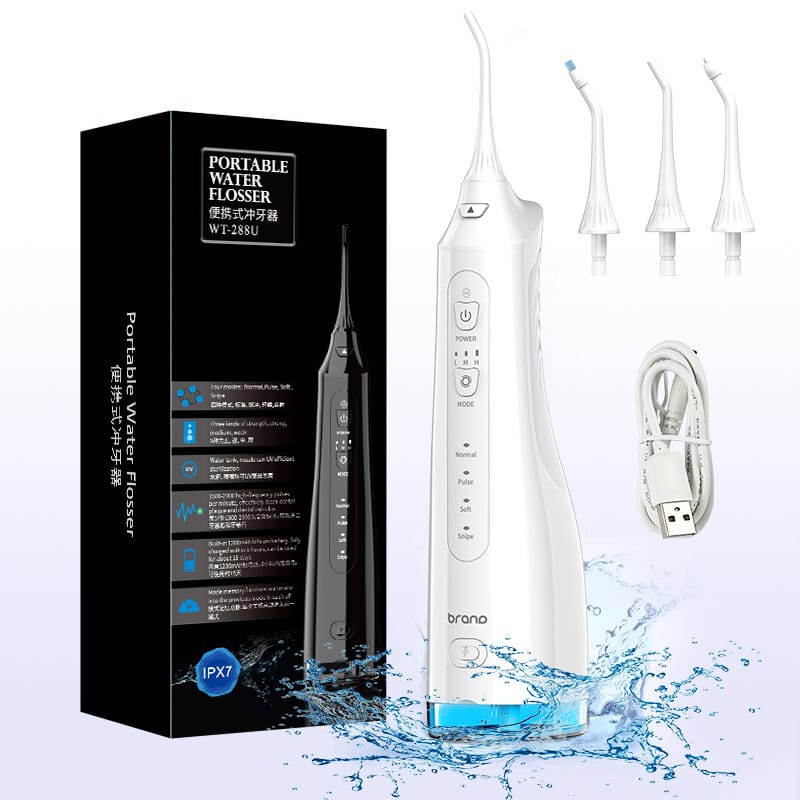
A water flosser cleans the mouth by using the impact of a high-speed water jet generated under controlled pressure.
Its working principle is as follows: when the device is operating, the internal motor drives the water pump to pressurize the water stored in the tank. The pressurized water is then released in rapid pulses through a specially designed nozzle, creating a powerful jet that alternates between suction and spray. This high-pressure pulsating stream effectively removes food debris and plaque from the teeth and the spaces between them.
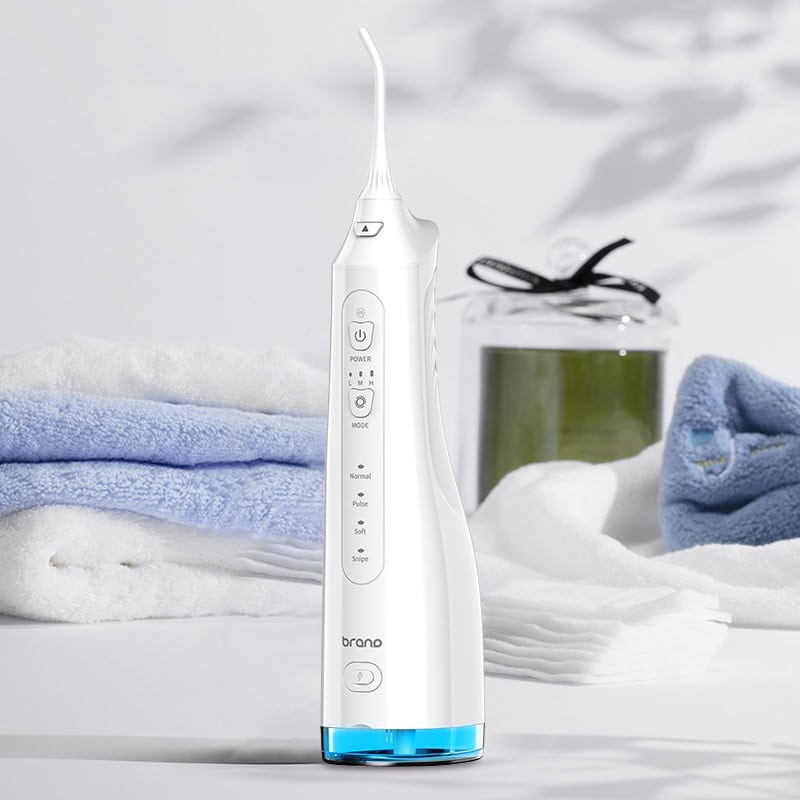
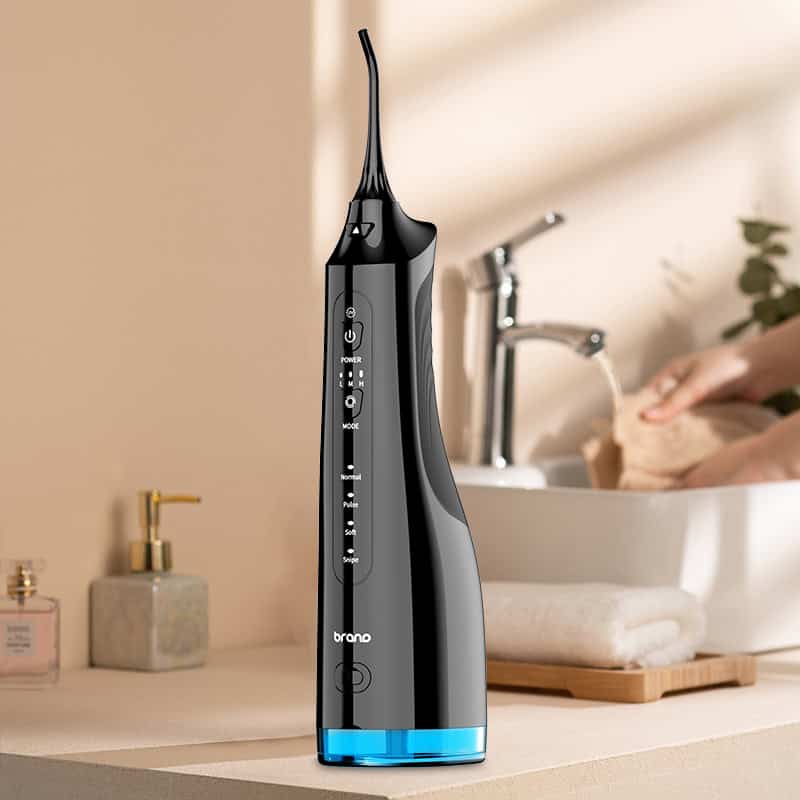
A typical water flosser consists of three main components: the main unit, the water tank, and the nozzle.
Our Products
Choose a product series based on your target users, cleaning needs, price positioning, sales channel, and packaging requirements.
Multifunctional model with a 280 ml tank, 30–120 PSI pressure, Type-C charging, and multiple nozzle options for targeted oral care.
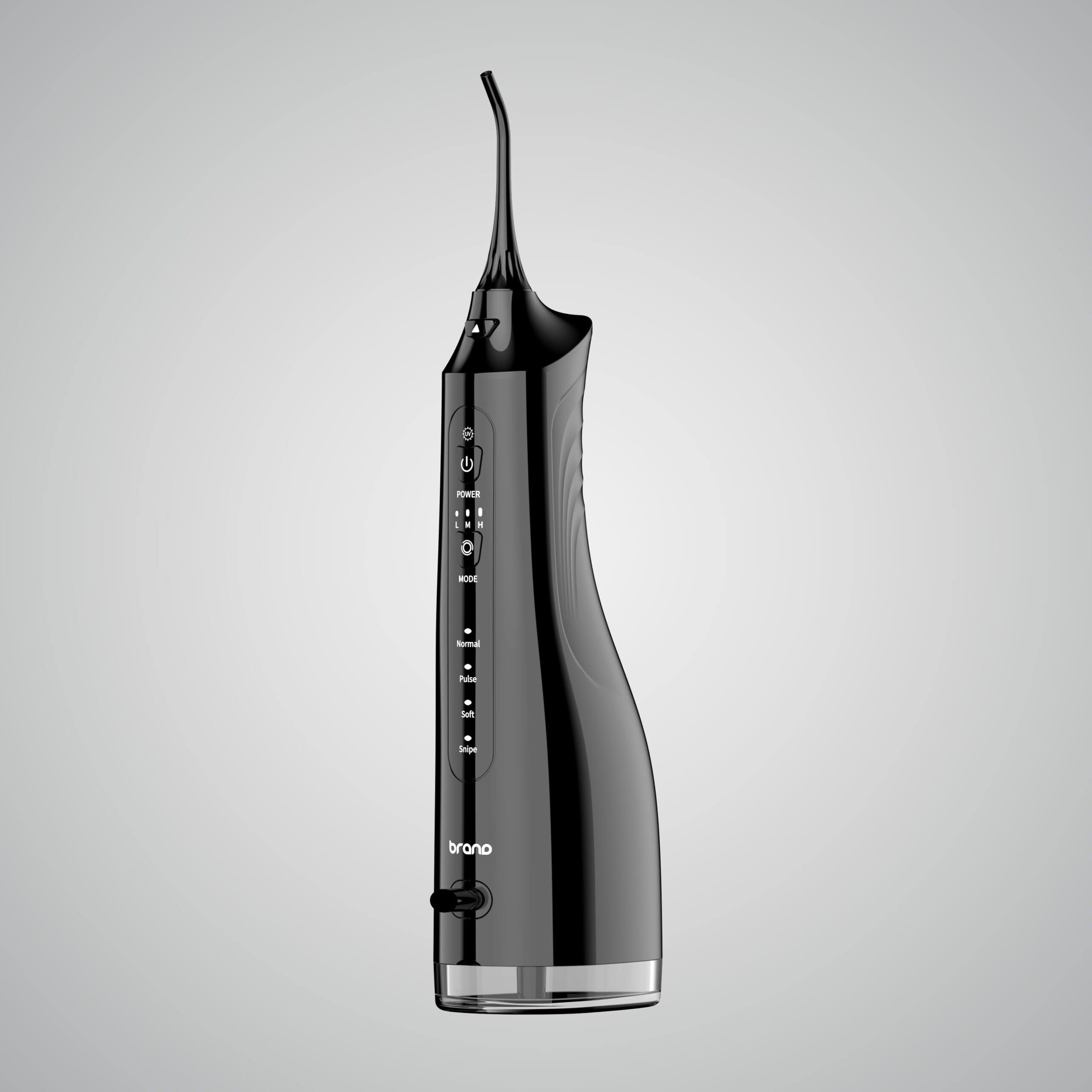
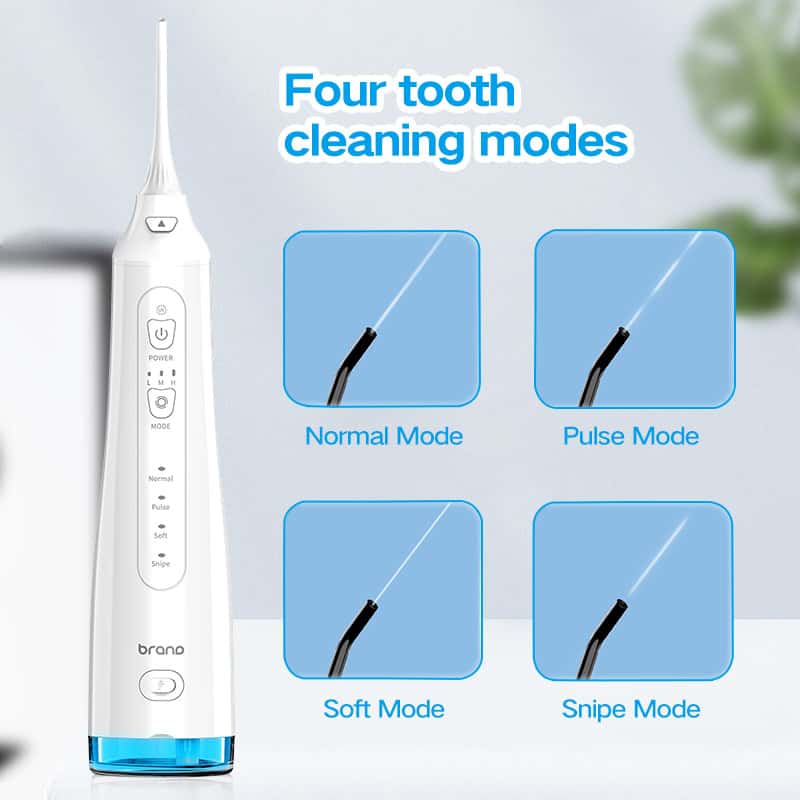
Large-tank model with four cleaning modes, three intensity levels, nozzle storage, and a 1,200 mAh rechargeable battery.
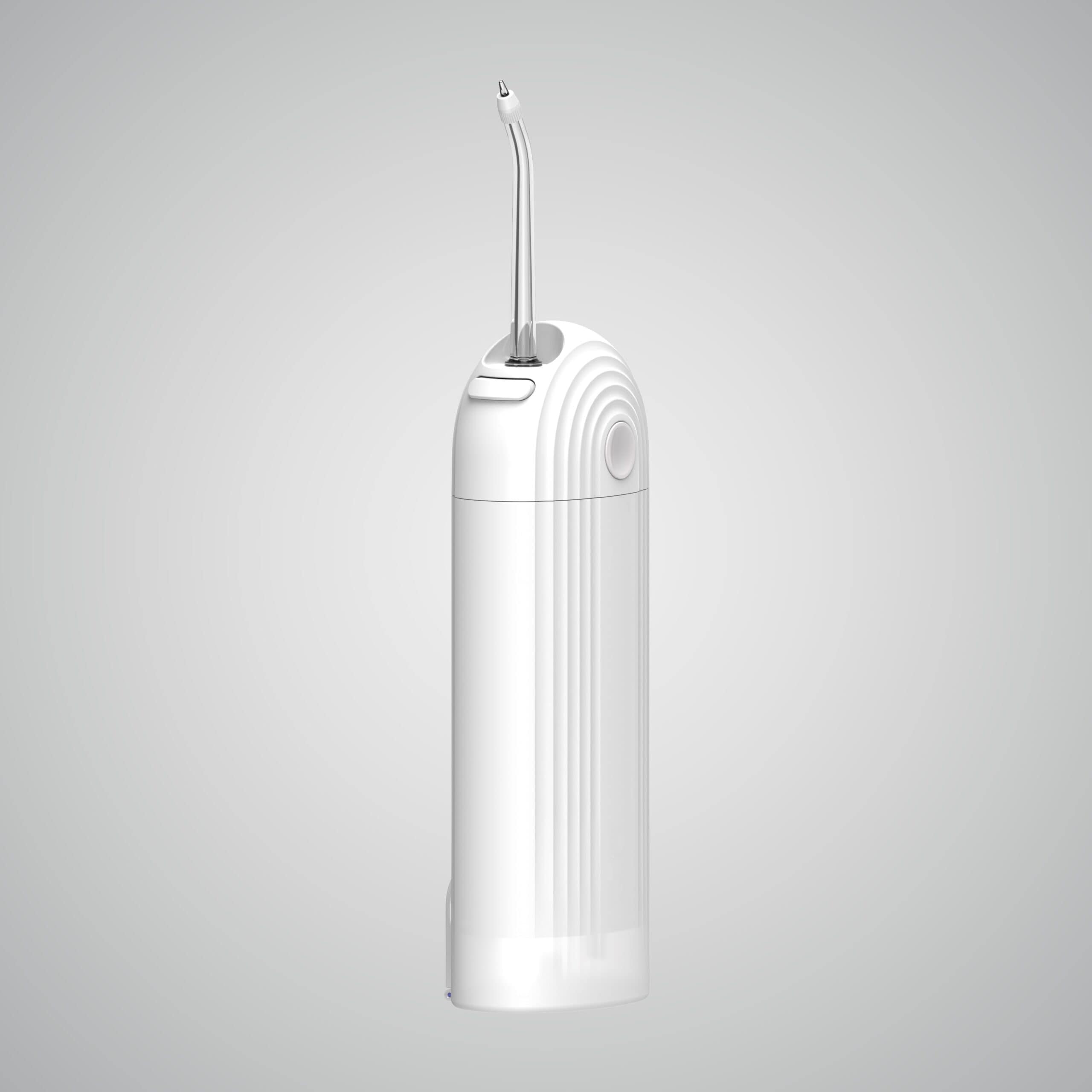
Premium model with a sterilizing water tank, patented dual-ring piston pump, retractable structure, and long-lasting 2,200 mAh battery.
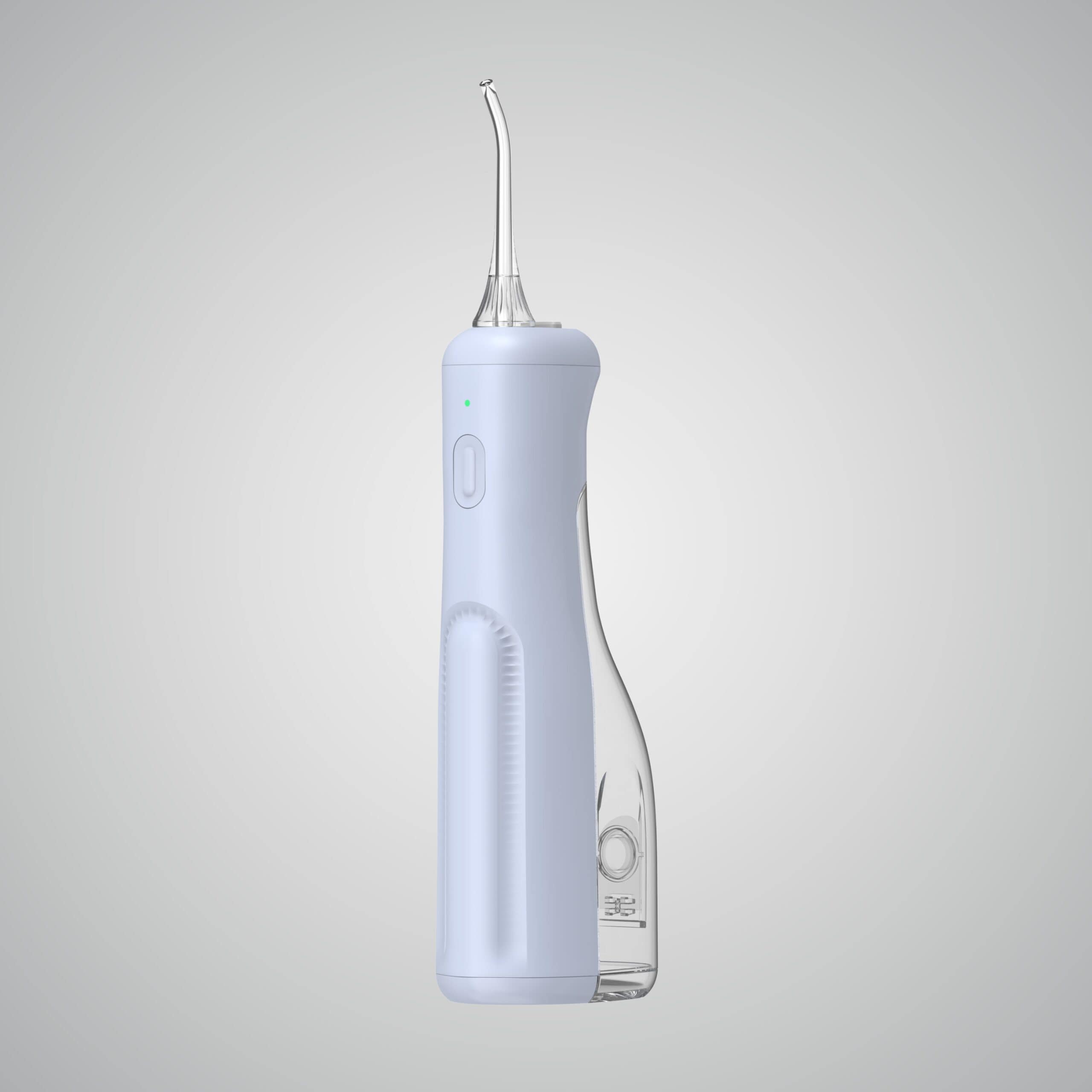
Rechargeable model with a 1,200 mAh battery, three cleaning modes, a removable water tank, 360° rotating nozzle, and at least 38 minutes of operating time.
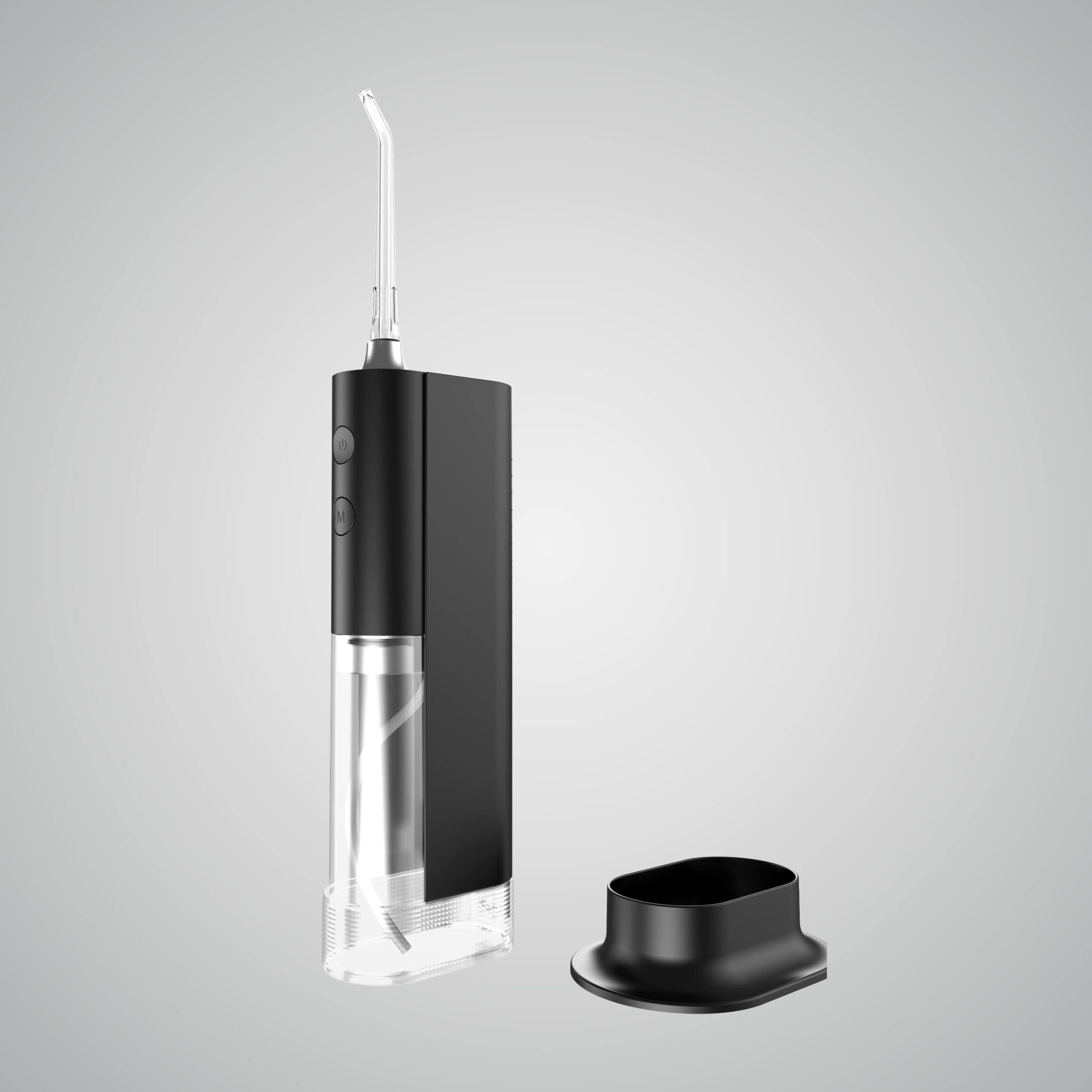
Rocket-style model with 120 PSI pressure, 1,600 pulses per minute, LED mode display, and a 1,400 mAh rechargeable battery.
Features
The main unit consists of two core components: the PCBA, which controls the electronic functions, and the motor, which drives the water pump to generate steady or pulsed water flow. It also includes a piston, pump body, plastic tubing, and rechargeable battery, all working together to support reliable daily operation.
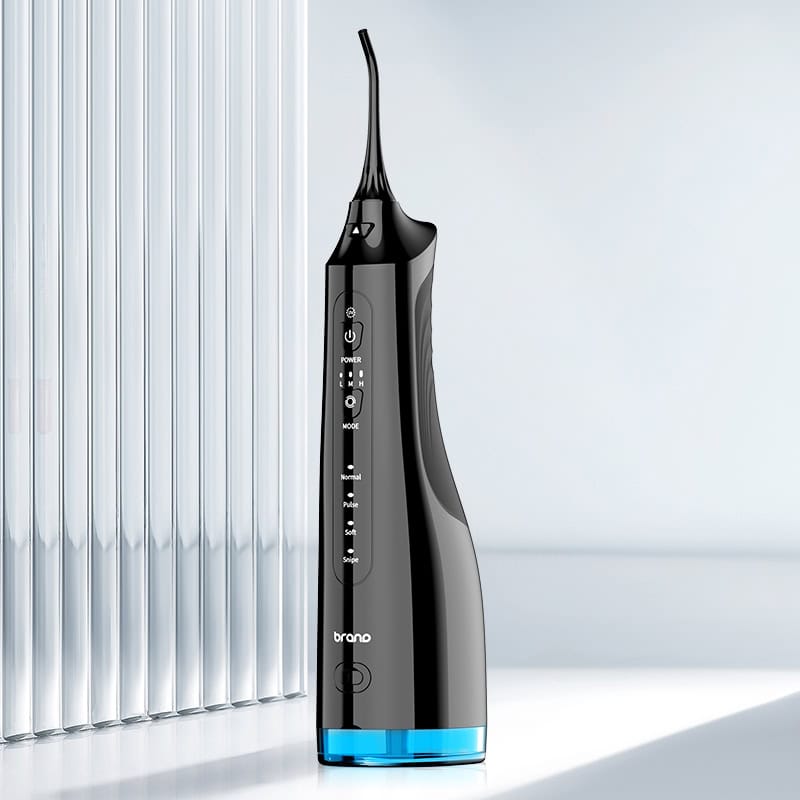
Based on the pump body structure, water flossers are generally divided into two types: piston-type pumps and diaphragm-type pumps. Each structure uses a different pumping mechanism to generate the water flow required for oral cleaning.
The pump is the core component of the water flosser. It increases the water pressure and delivers the water to the nozzle, which sprays a high-speed jet to clean teeth and interdental spaces. The water tank stores the water supply and helps regulate pressure during operation, supporting a more stable and consistent cleaning flow.
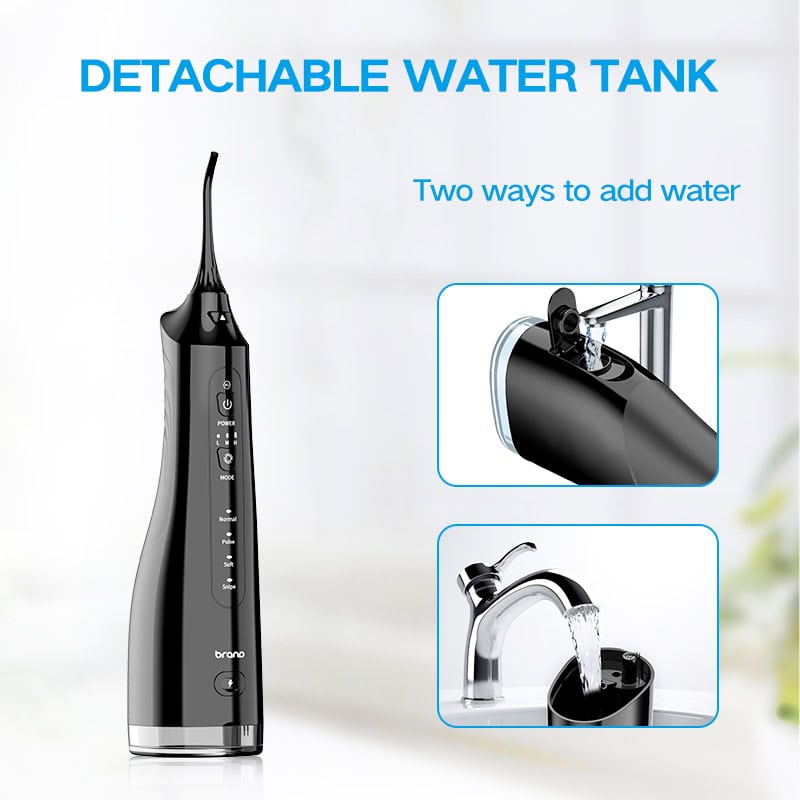
Water flosser tanks are available in several structures, including pull-out, bottom-inserted, top-fill rotary, and split-type designs. Each configuration provides a different approach to water filling, tank removal, product storage, and daily cleaning.
When selecting a water flosser, evaluate the following factors to ensure stable performance, comfortable use, and long-term reliability:
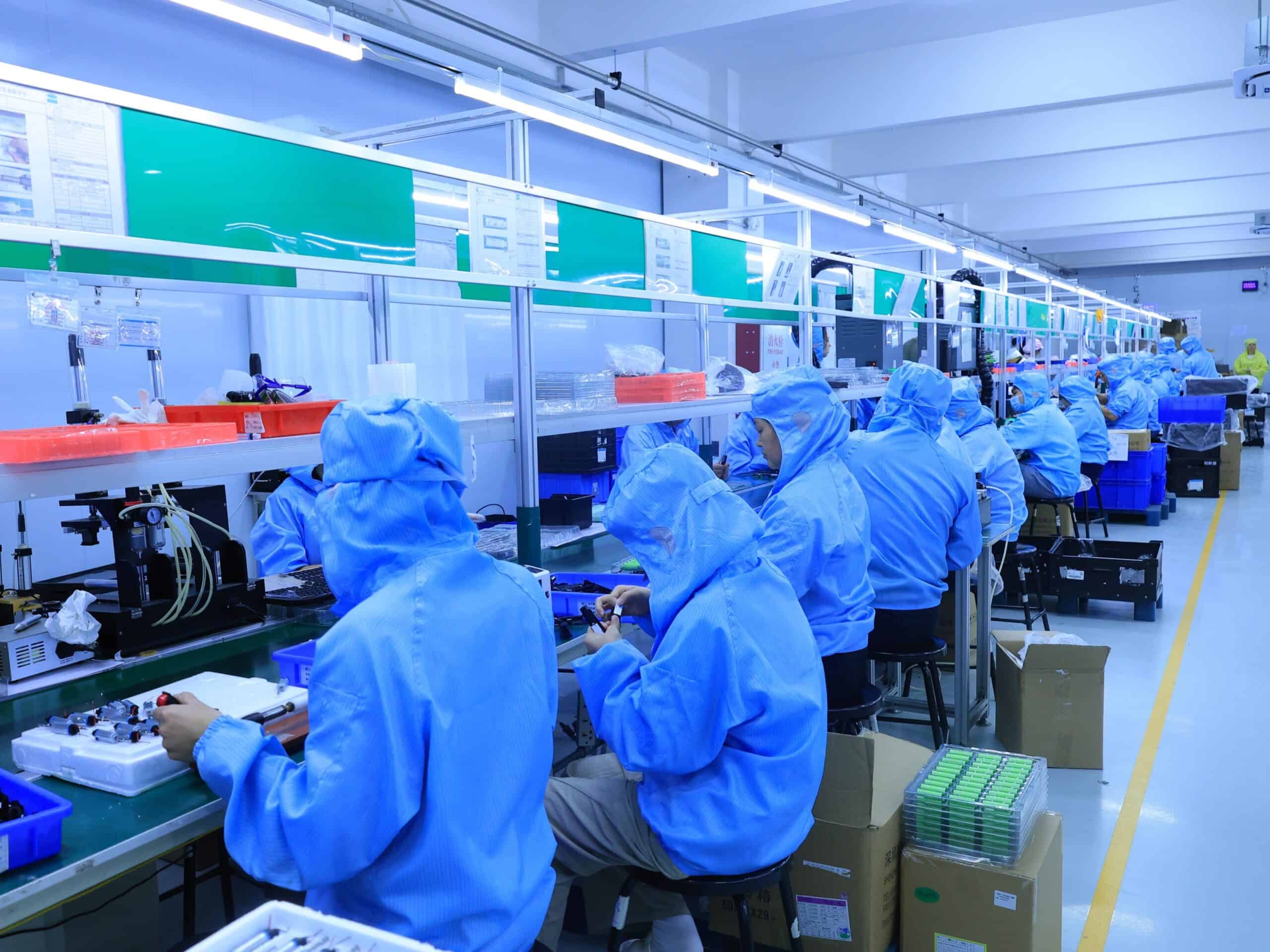
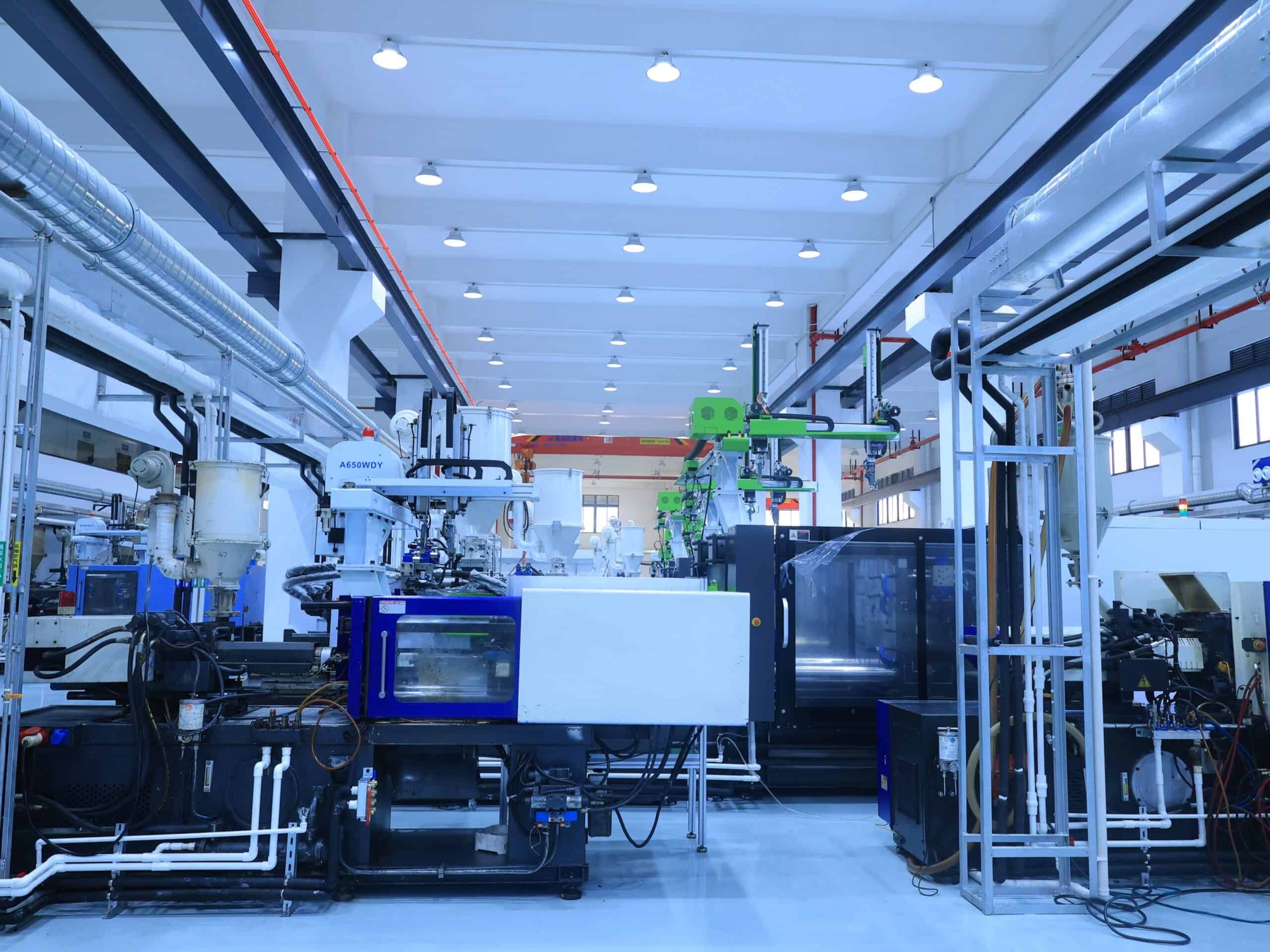
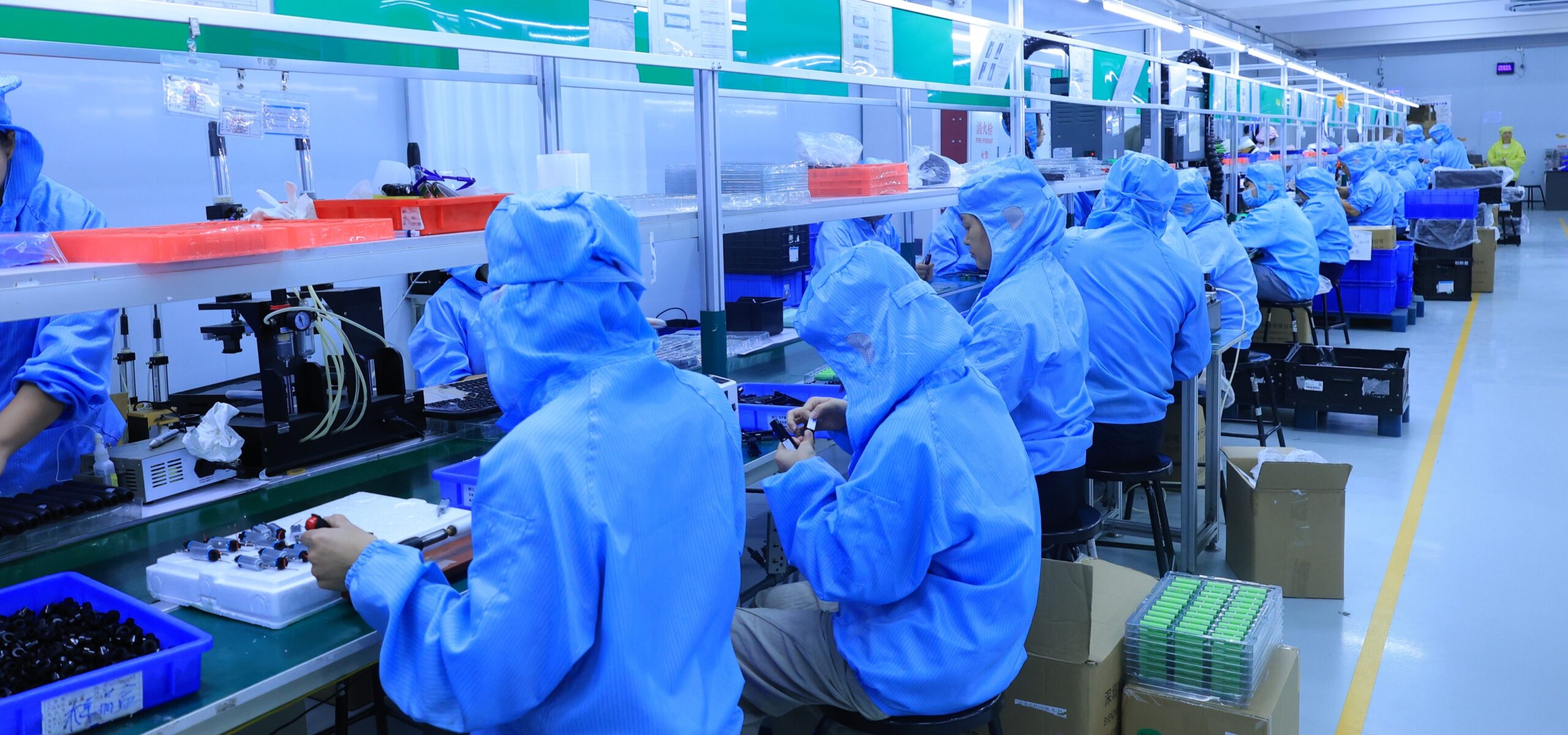
Founded in 2007, Besman integrates product development, engineering, manufacturing, testing, packaging, and customer service. Our development capabilities cover industrial design, structural engineering, molds, electronics, software, and packaging. By managing the main project stages through one manufacturing system, you can reduce communication gaps, receive faster technical feedback, and maintain better control over product quality, cost, and delivery.
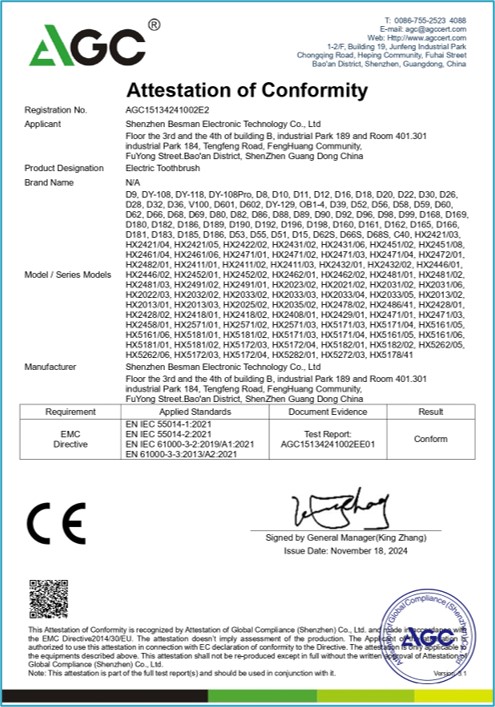
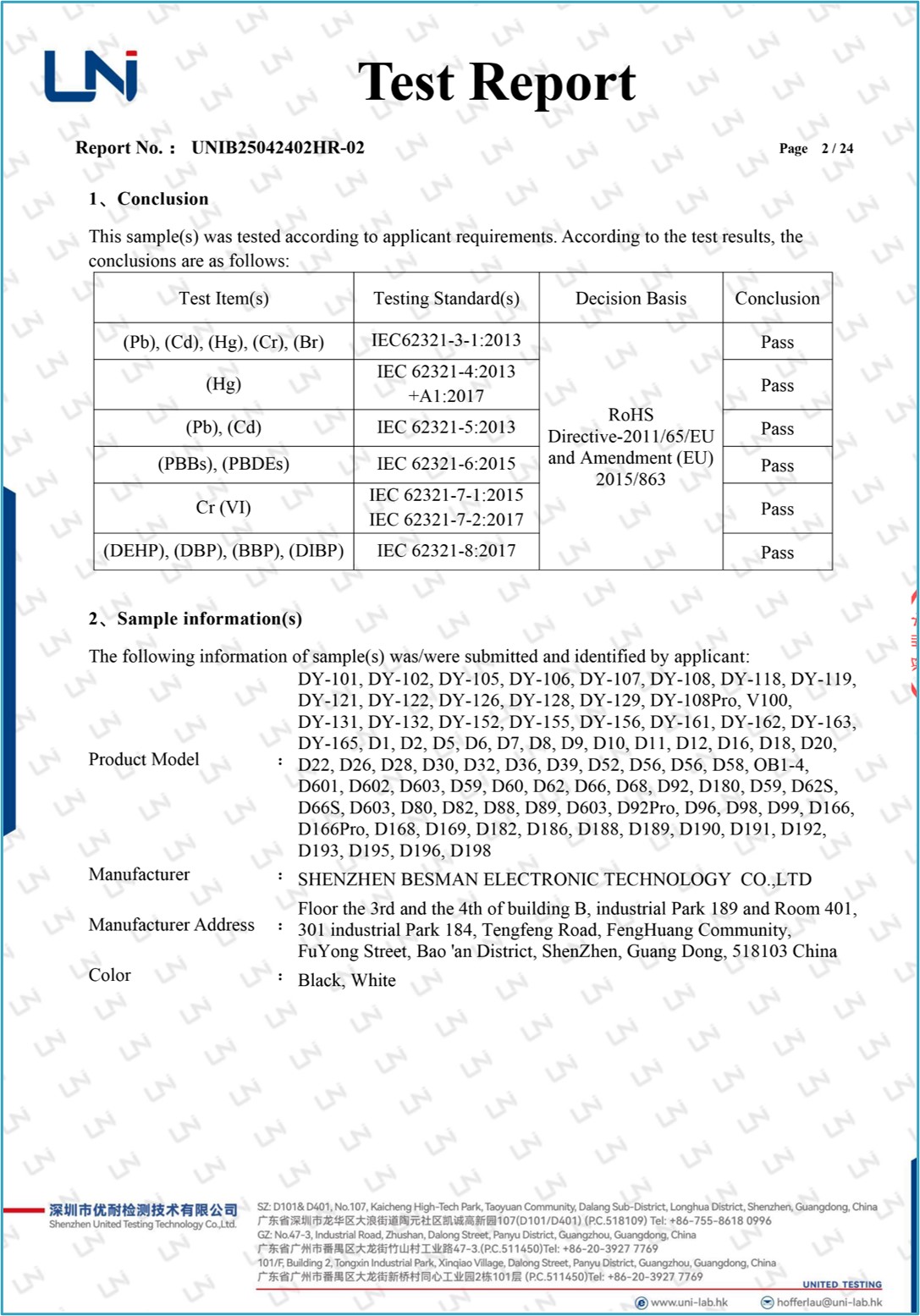
Launch your products in the US, Europe, and other key markets with confidence. Our comprehensive certification portfolio smooths customs clearance and ensures you meet the strictest retailer compliance requirements.
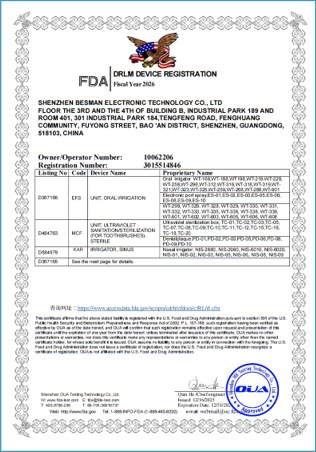
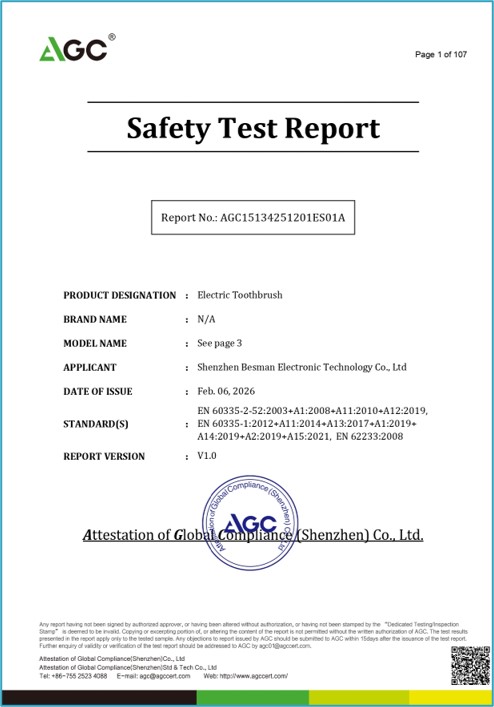

Share your target market, sales channel, expected retail price, required features, and order quantity. Besman will recommend suitable water flosser models, prepare a quotation, and arrange samples for your evaluation before bulk production.
Evaluate the manufacturer’s product development capability, quality control process, water leakage testing, pressure consistency, certifications, production experience, and packaging support. You should also test samples before ordering. A suitable manufacturer should answer technical questions clearly, provide stable specifications, and support both initial product selection and future repeat orders.
The standard MOQ is normally 1,000 pieces, depending on the model and customization requirements. For a first cooperation, selected models may support a trial order starting from 500 pieces. Customized colors, operating functions, accessories, or newly developed structures may require a higher MOQ based on material and production conditions.
Standard samples normally require around 7–15 working days, depending on model availability and customization. Samples with a new color, logo, packaging, or modified operating function may require additional preparation time. The sample stage allows you to inspect pressure, leakage, tank handling, charging, nozzle operation, appearance, and overall user experience.
The main price factors include product structure, pump system, battery capacity, water tank size, pressure modes, nozzle quantity, charging method, surface treatment, accessories, packaging, order quantity, and testing requirements. Providing your target price, market, and sales channel helps the manufacturer recommend a more suitable configuration instead of quoting an unnecessarily expensive product.
Leakage control covers the water tank, sealing components, pump system, nozzle connection, and assembled body. Products are inspected during assembly and tested again after completion. Depending on the model and order requirements, functional running, waterproof testing, pressure checks, and visual inspection can be included to identify potential leakage before final packing.
Bulk production generally takes around 35–45 days after the order details, deposit, artwork, and samples are confirmed. The exact lead time depends on order quantity, customization, packaging materials, and component availability. Early forecast information helps the factory prepare materials and reduce the risk of delayed replenishment during your sales season.