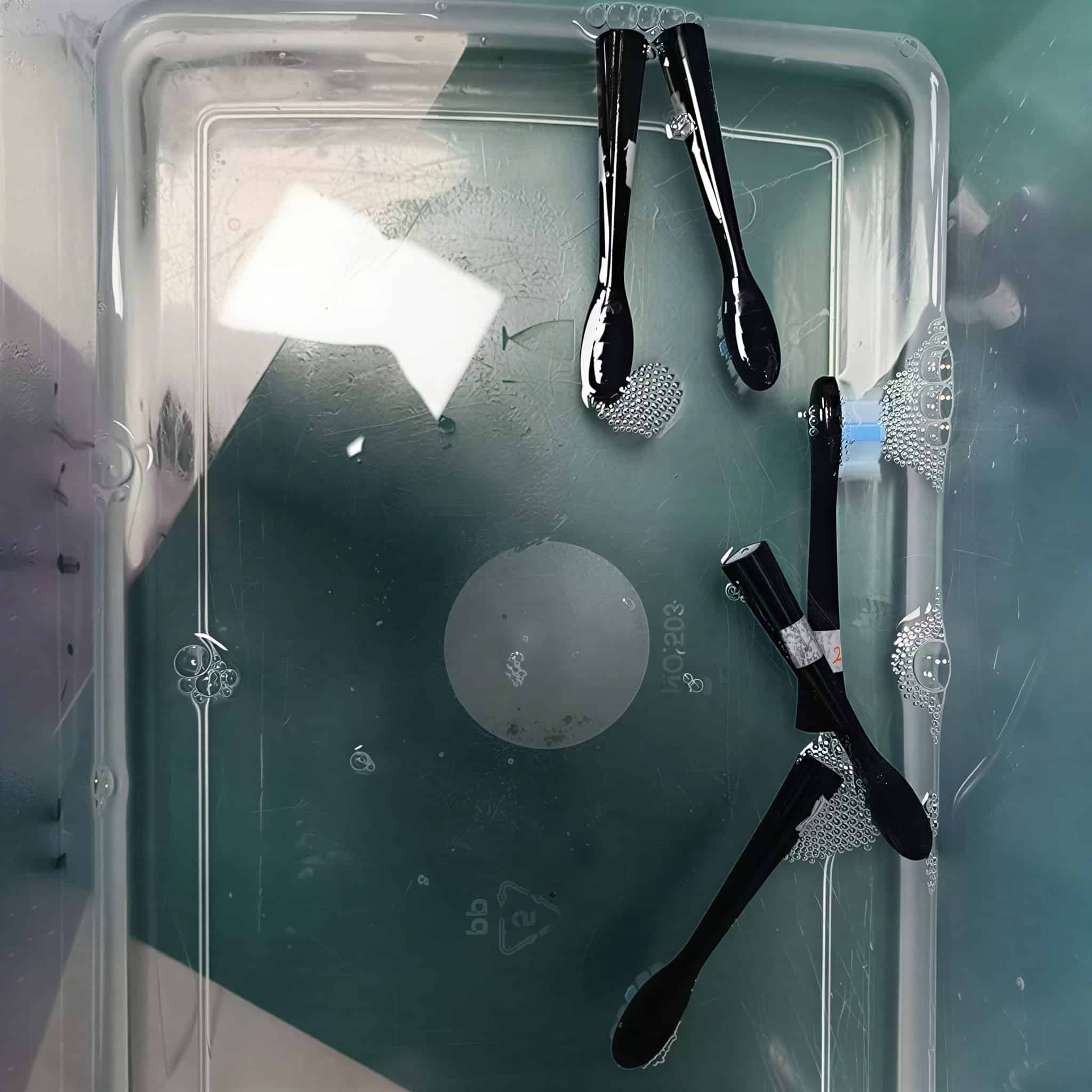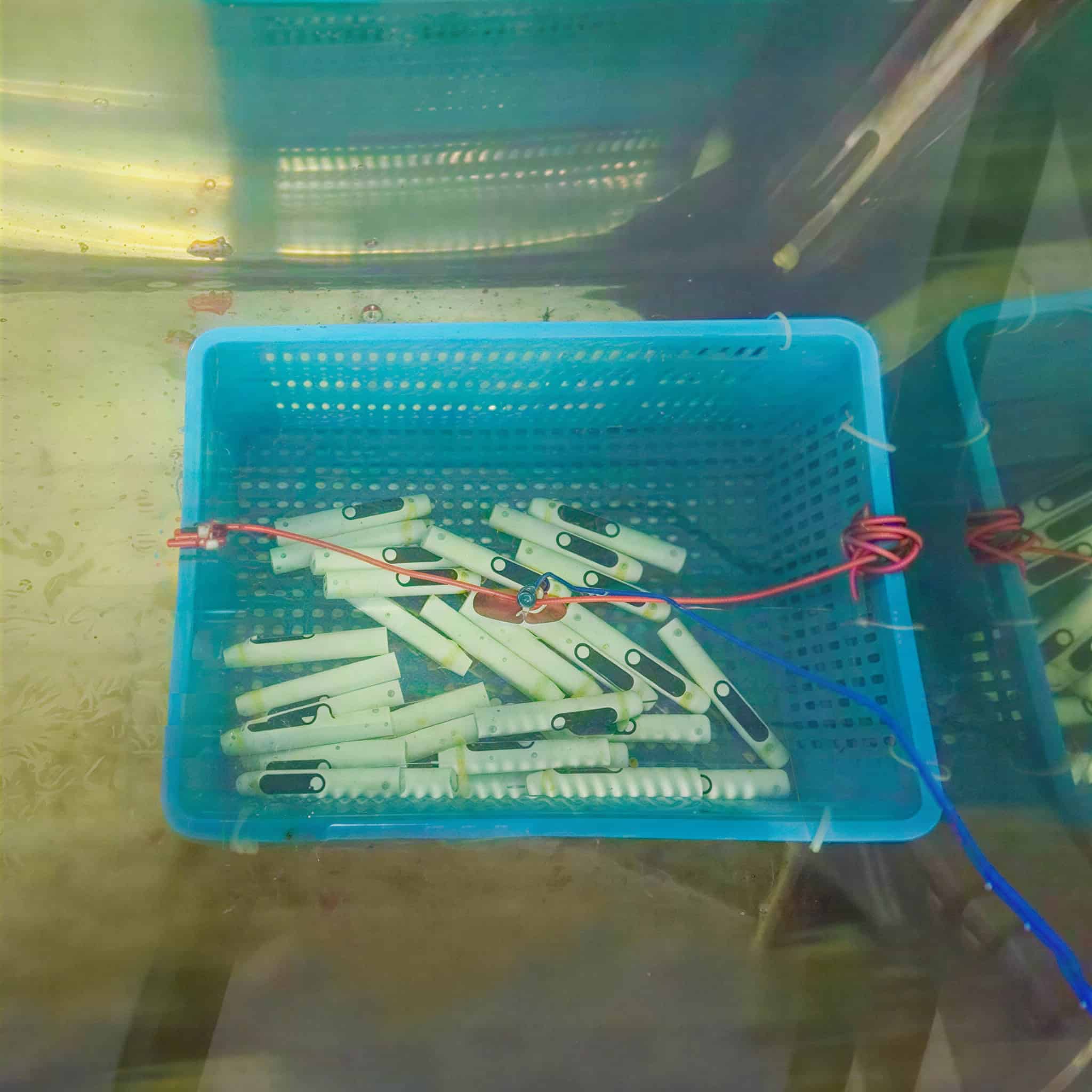
Basic IPX7 Test
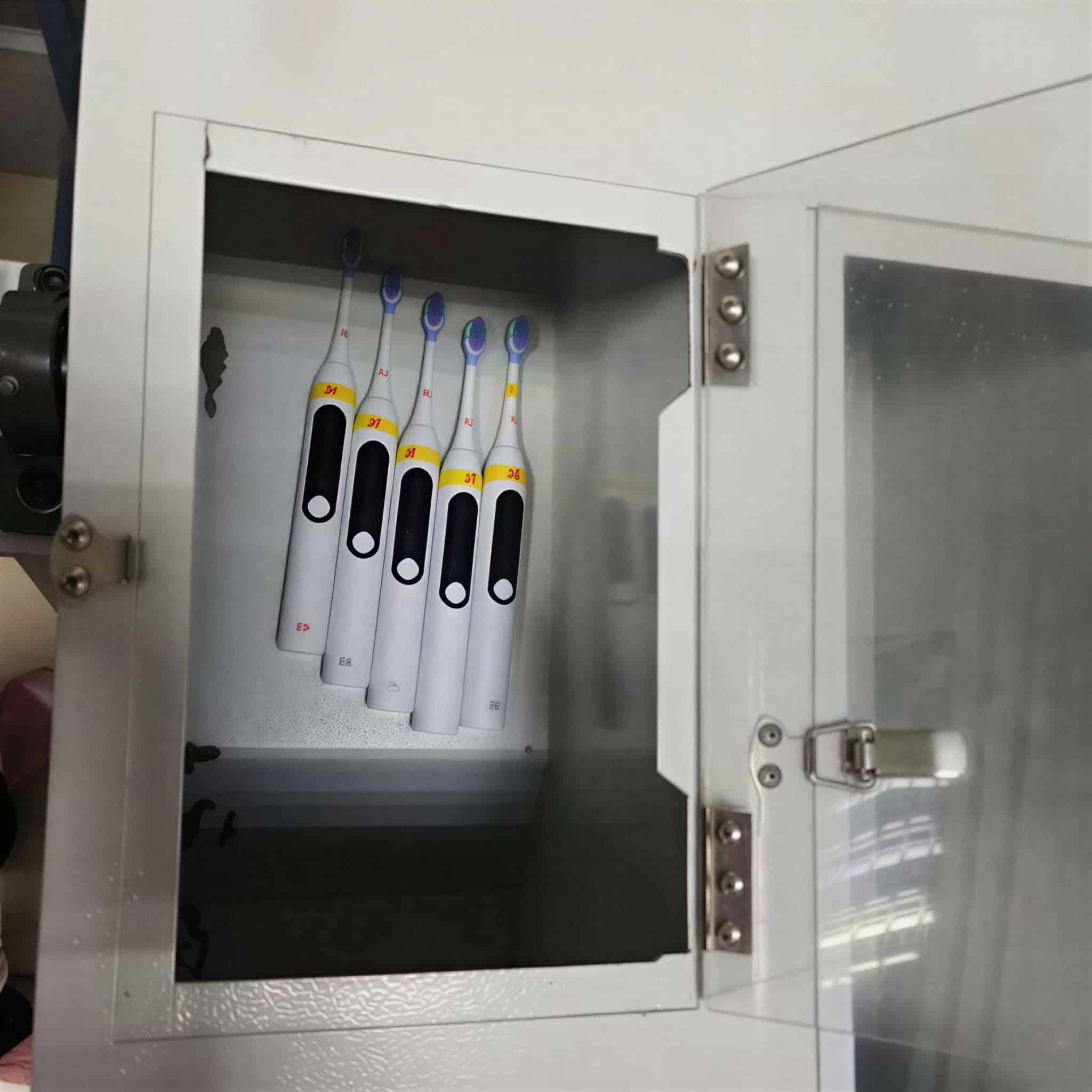
Finished products are tested in the IPX7 test chamber to verify the basic waterproof structure.
Standard:
- Weight difference ≤0.1g
- No water ingress

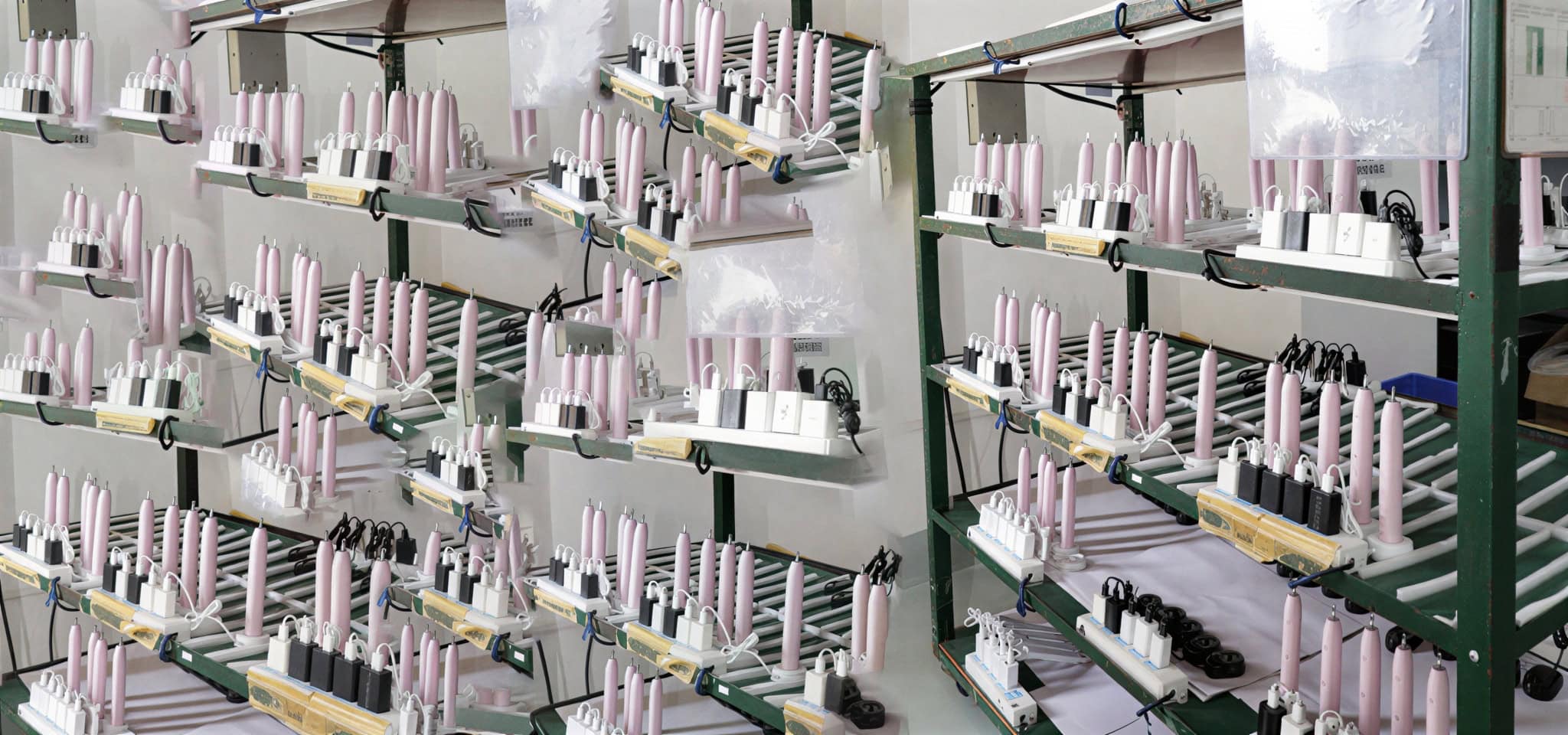
Before your product reaches the market, it should pass real testing.
From waterproof testing and reliability testing to drop, vibration, toothpaste resistance, and life cycle tests, we verify each finished electric toothbrush under practical use and transportation conditions. This helps you reduce quality risks, protect your brand reputation, and deliver a more stable product to your customers.
Part One
Before your electric toothbrush reaches the market, we test its waterproof structure under both standard and stricter conditions. This helps reduce water-ingress risk, charging failure, and after-sales problems.
Finished products are tested in the IPX7 test chamber to verify the basic waterproof structure.
Standard:
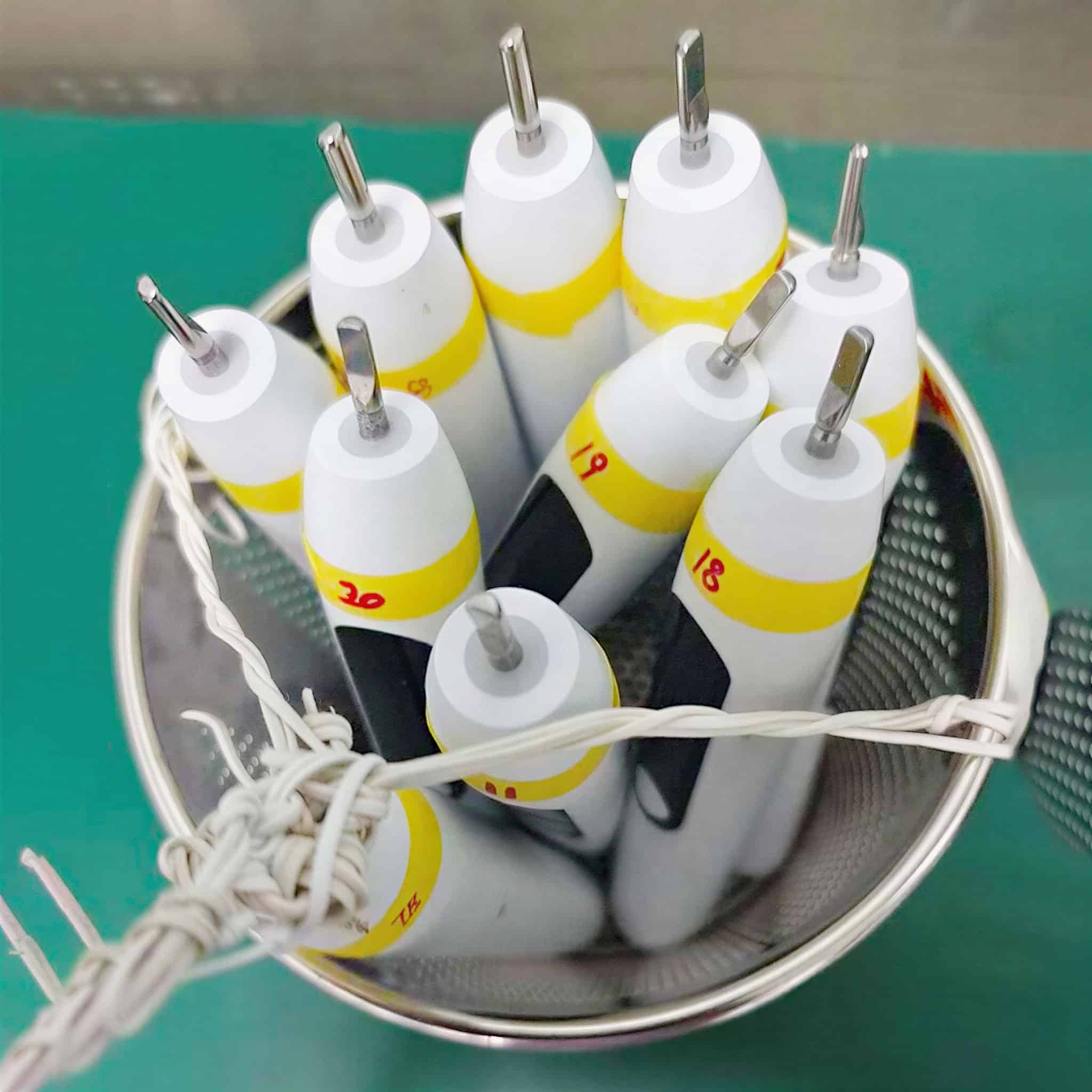
The brush head is installed, the toothbrush is powered on, and the product runs in aging mode during the IPX7 test for 1 hour.
Standard:
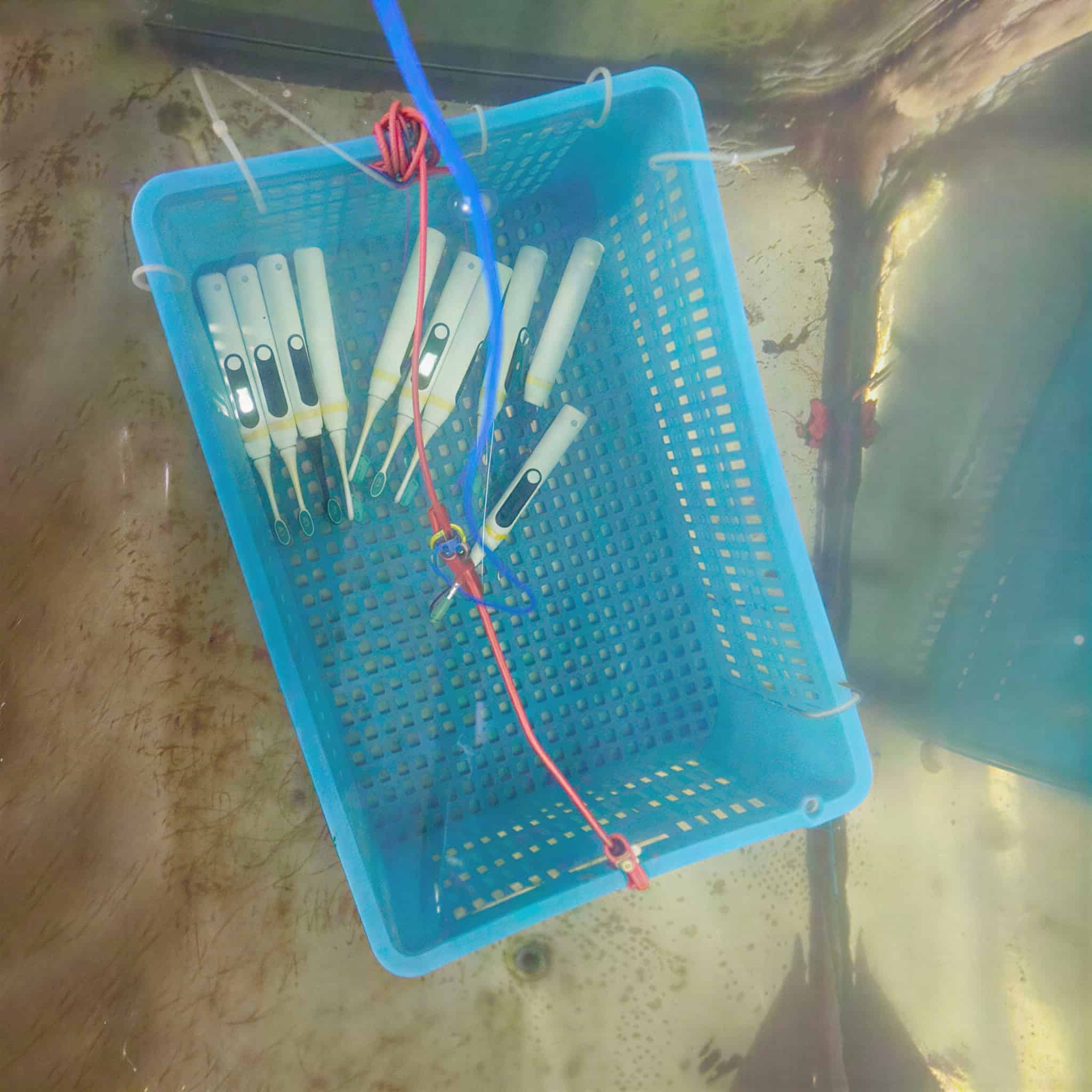
For higher waterproof validation, the product can be tested with IPX8 test barrels.
Standard:
Part Two
We carry out a full range of reliability tests on finished electric toothbrushes to verify safety, stability, durability, and long-term performance. This helps you reduce product risk, improve user experience, and support more stable market performance.
We verify the electrical and operating performance of the finished product through the following tests:
Send Inquiry Now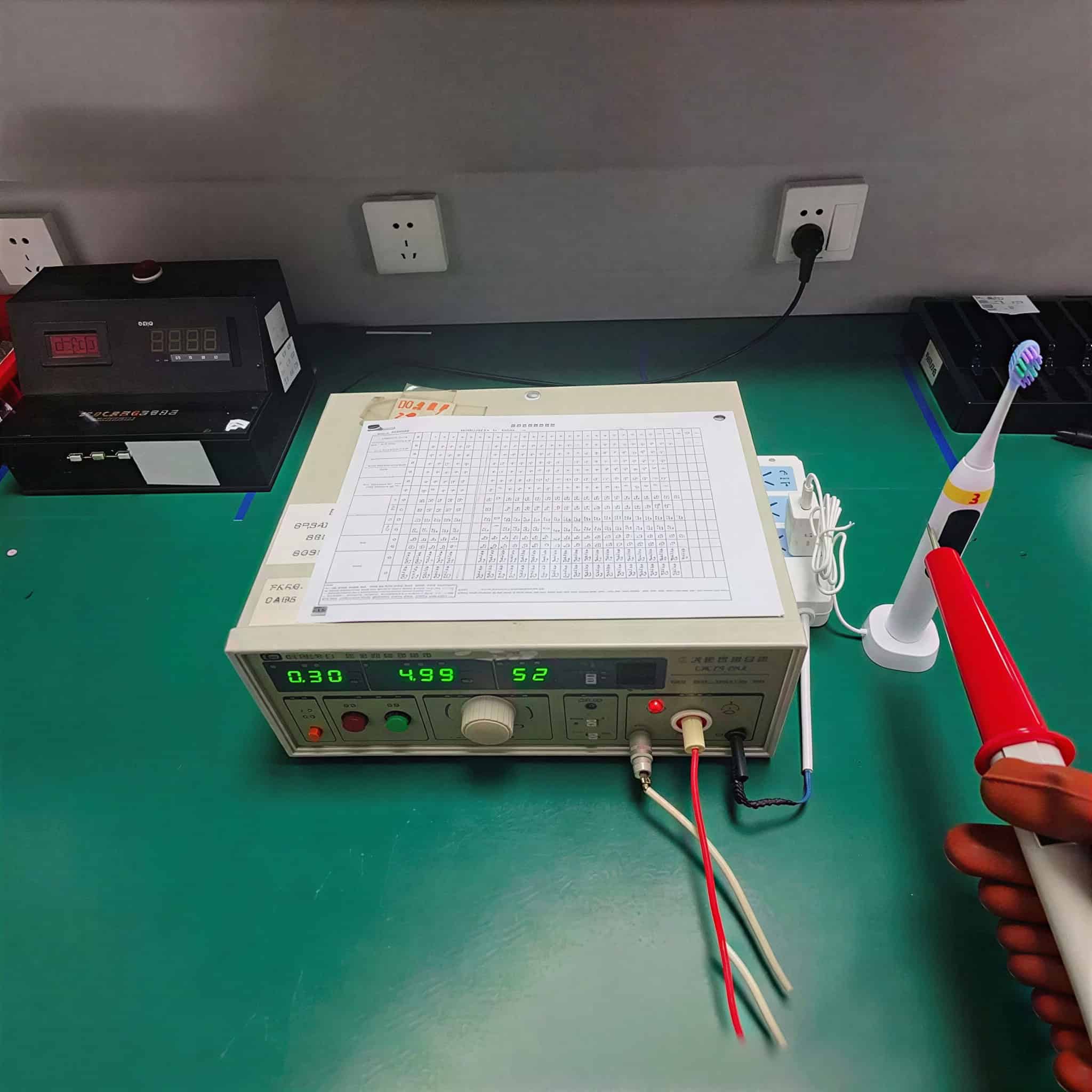
A 300V/AC, 5mA test is conducted for 1 minute between the power cord and the housing.
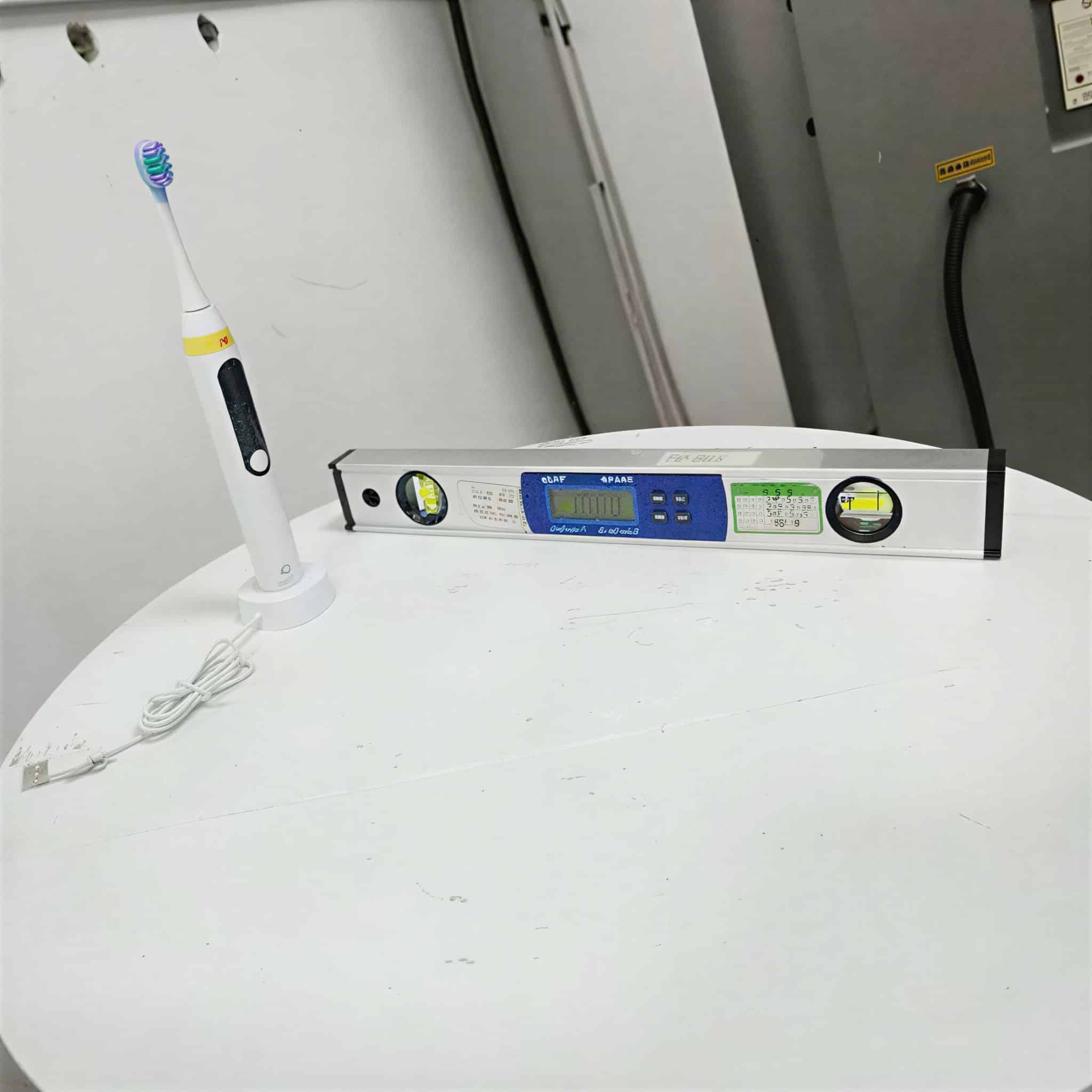
The product, placed on the charging base, is tested on an inclined plane at 10° to the horizontal plane. The product shall not move or overturn.
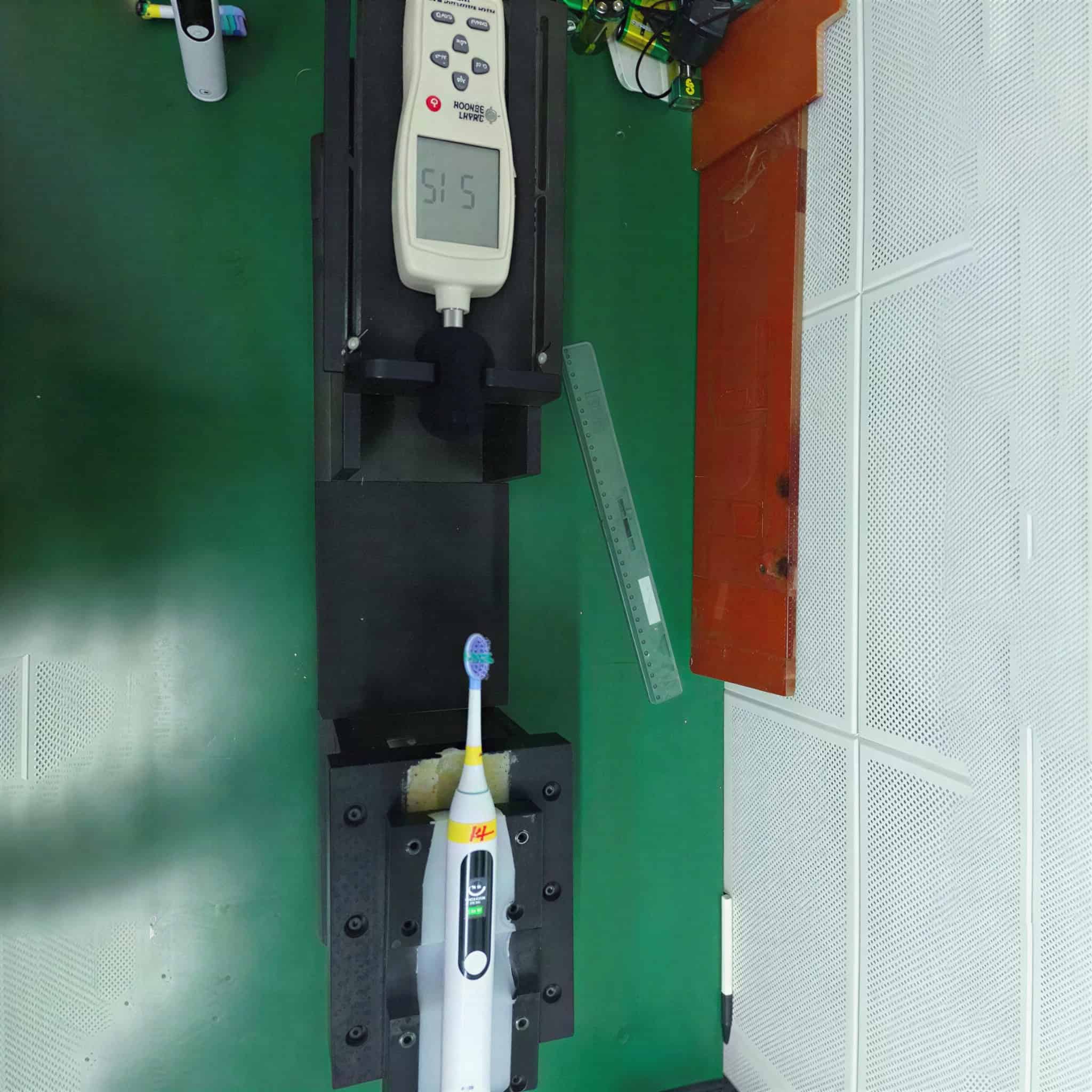
The operating noise value is tested according to the company’s standard test requirements. The 1st mode and the 3rd mode are tested.
After the battery is fully drained, the product is charged, and the time required for full charging is recorded.
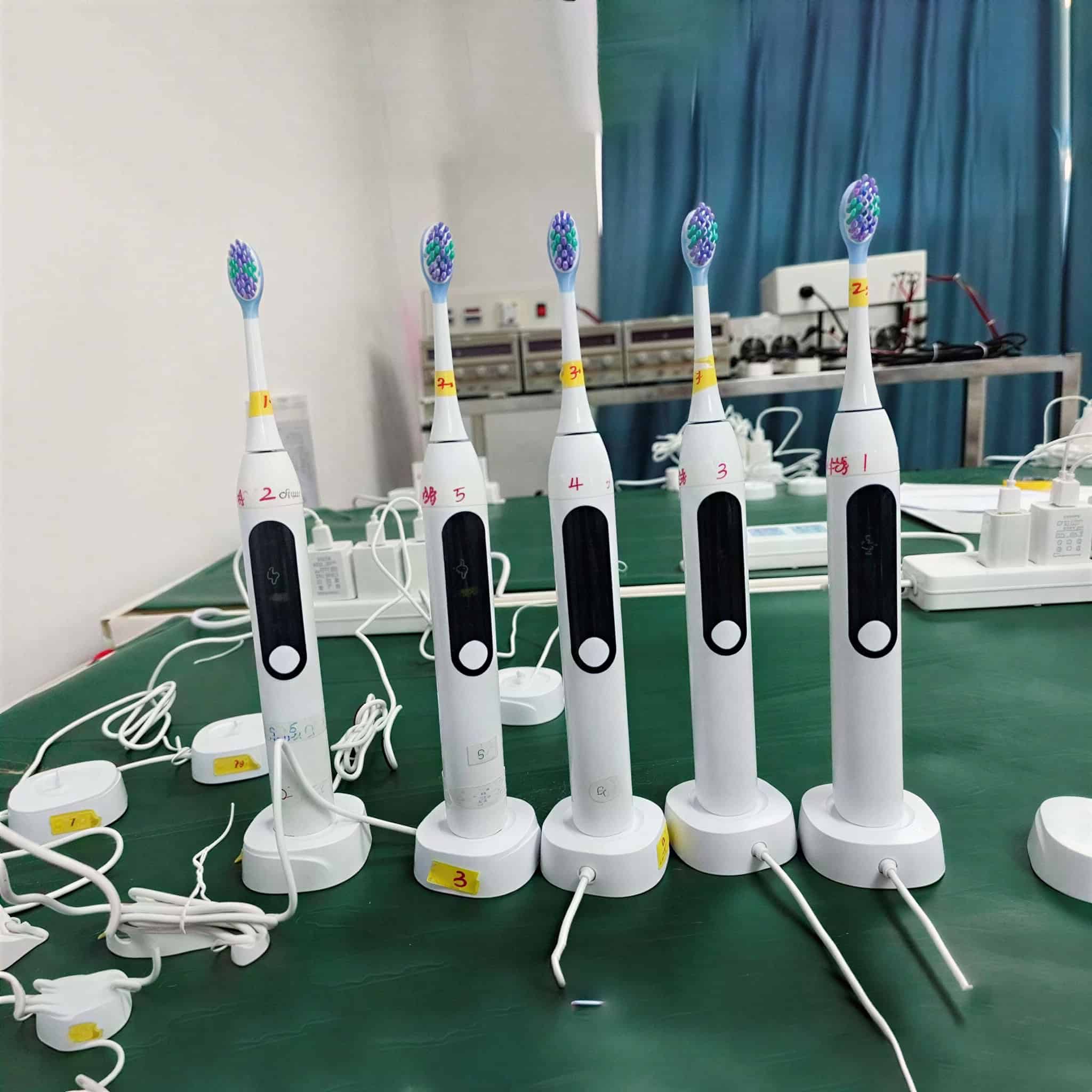
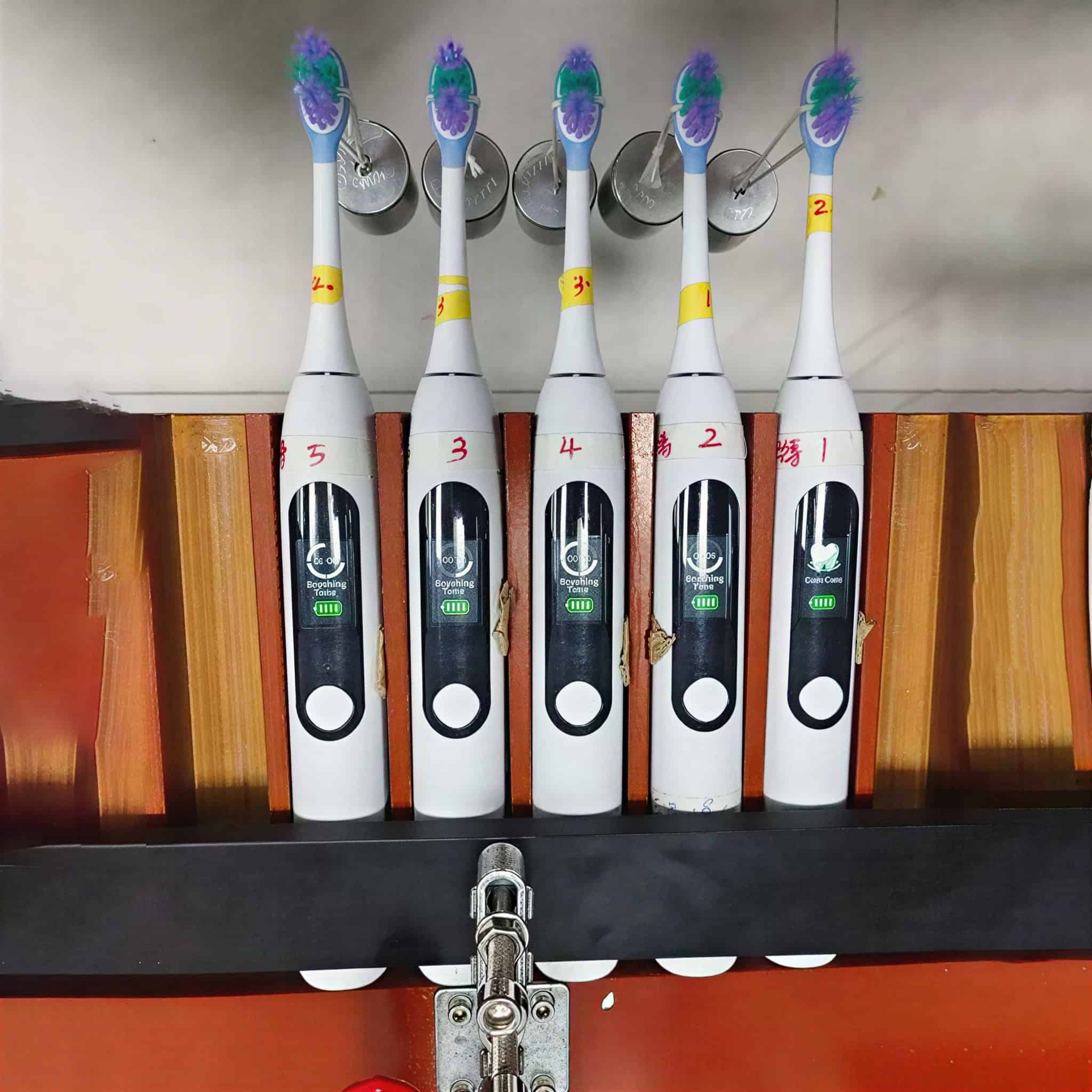
The main unit is fully charged, fitted with the brush head, and loaded with a 200 g weight. Each working mode is tested, and the operating time from power-on to power-off is recorded.
We test the mechanical reliability of the finished product to ensure stable assembly, normal operation, and secure brush head performance.
Send Inquiry Now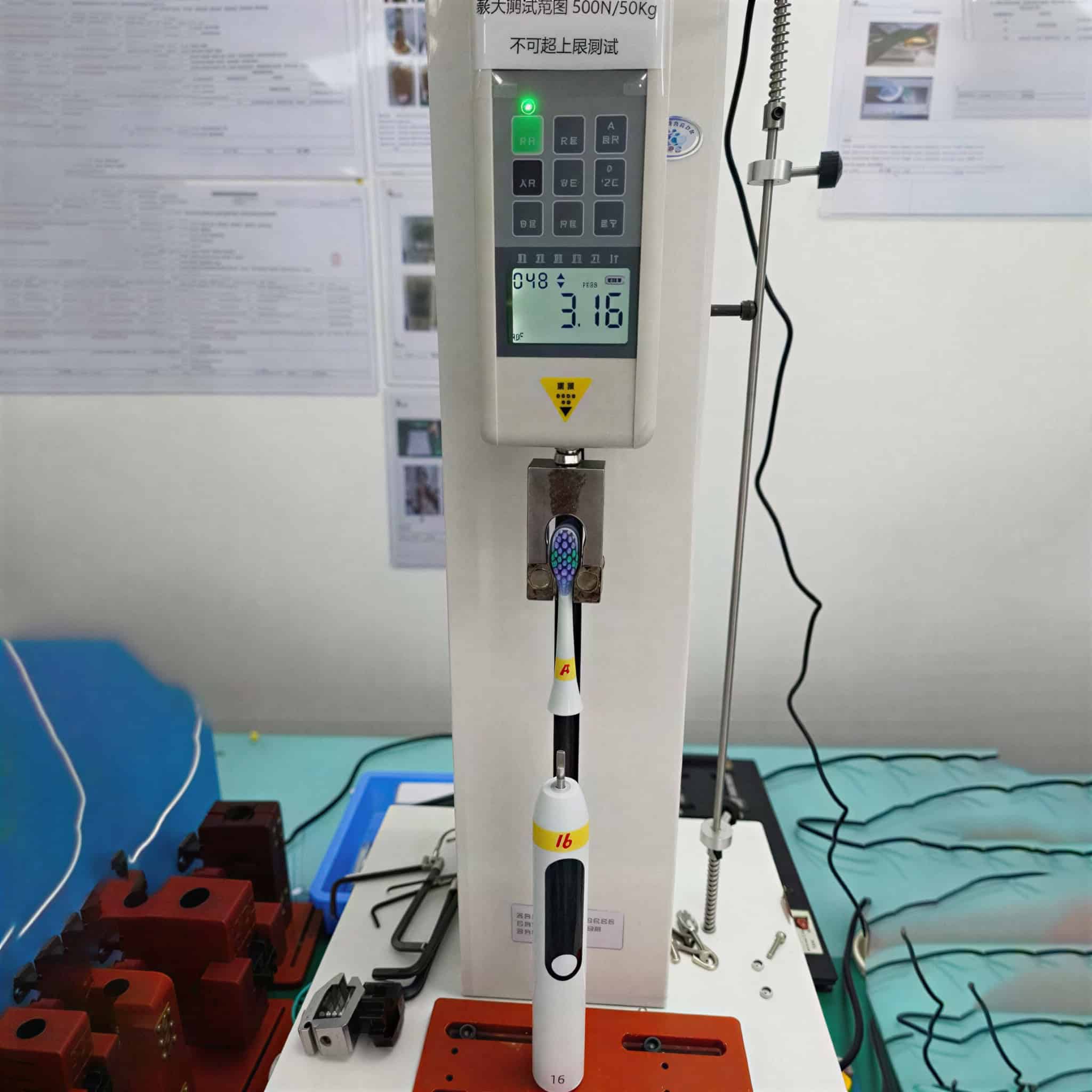
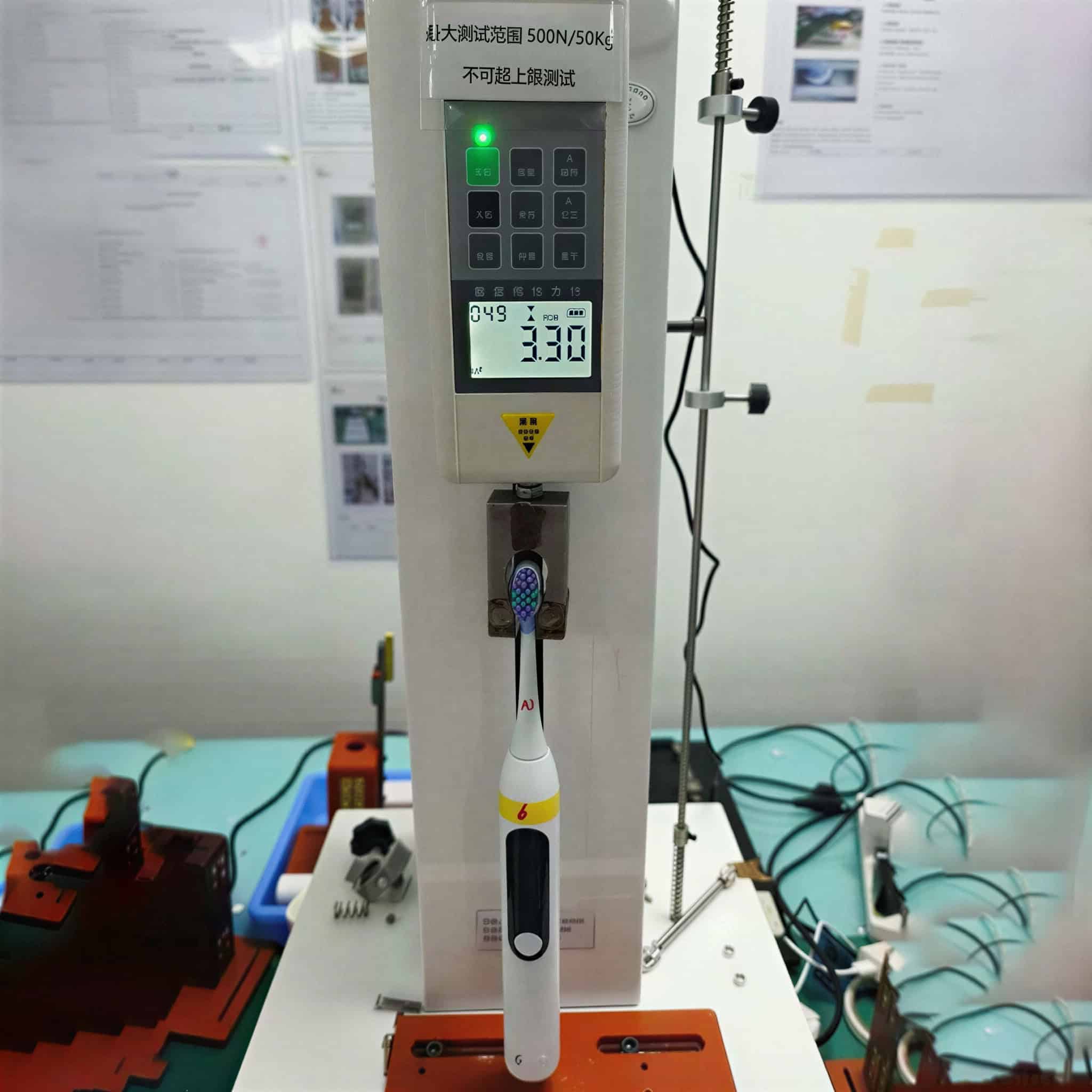
The force required to insert and remove the toothbrush head from the main body is tested.
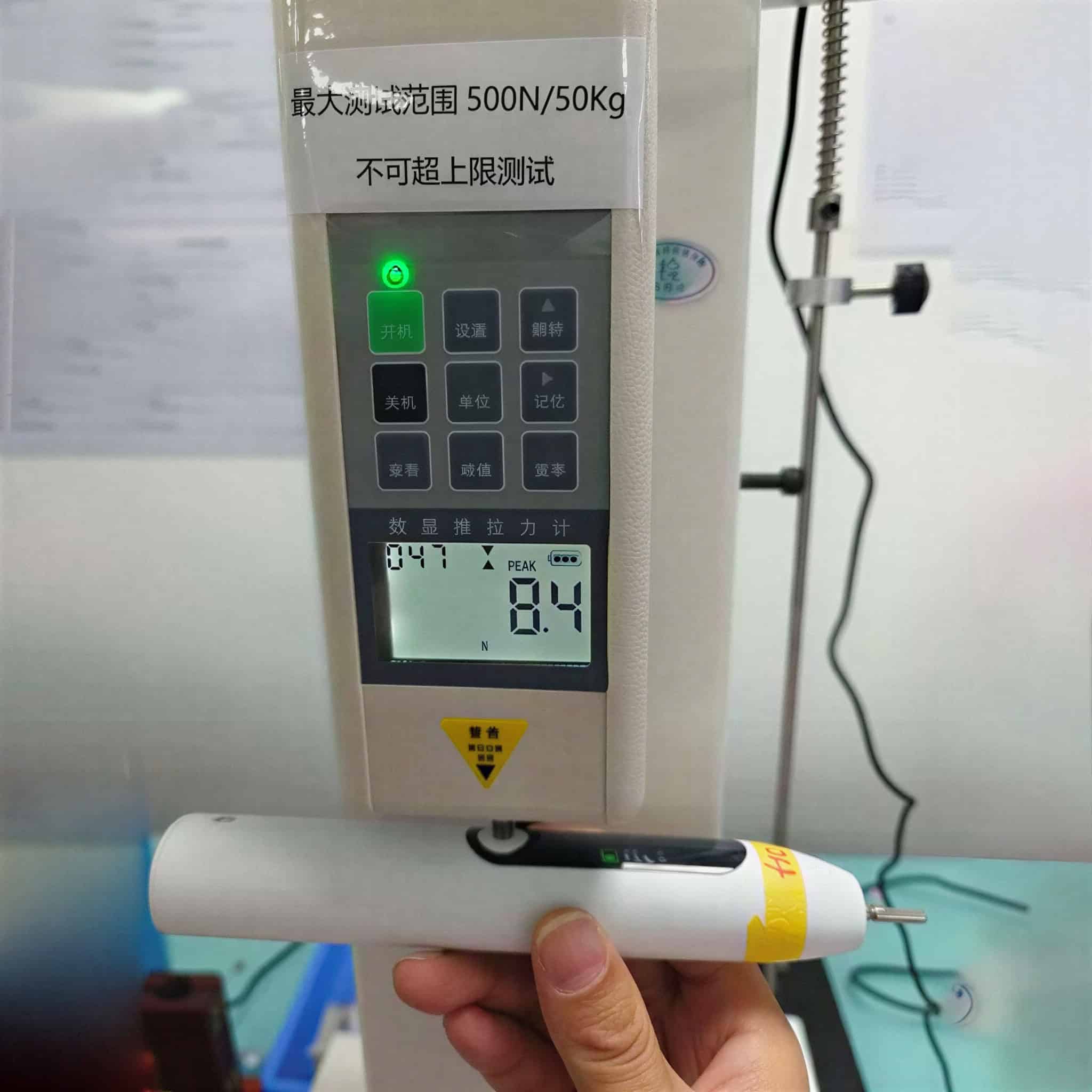
The force value required to press the button and turn on the product is tested.
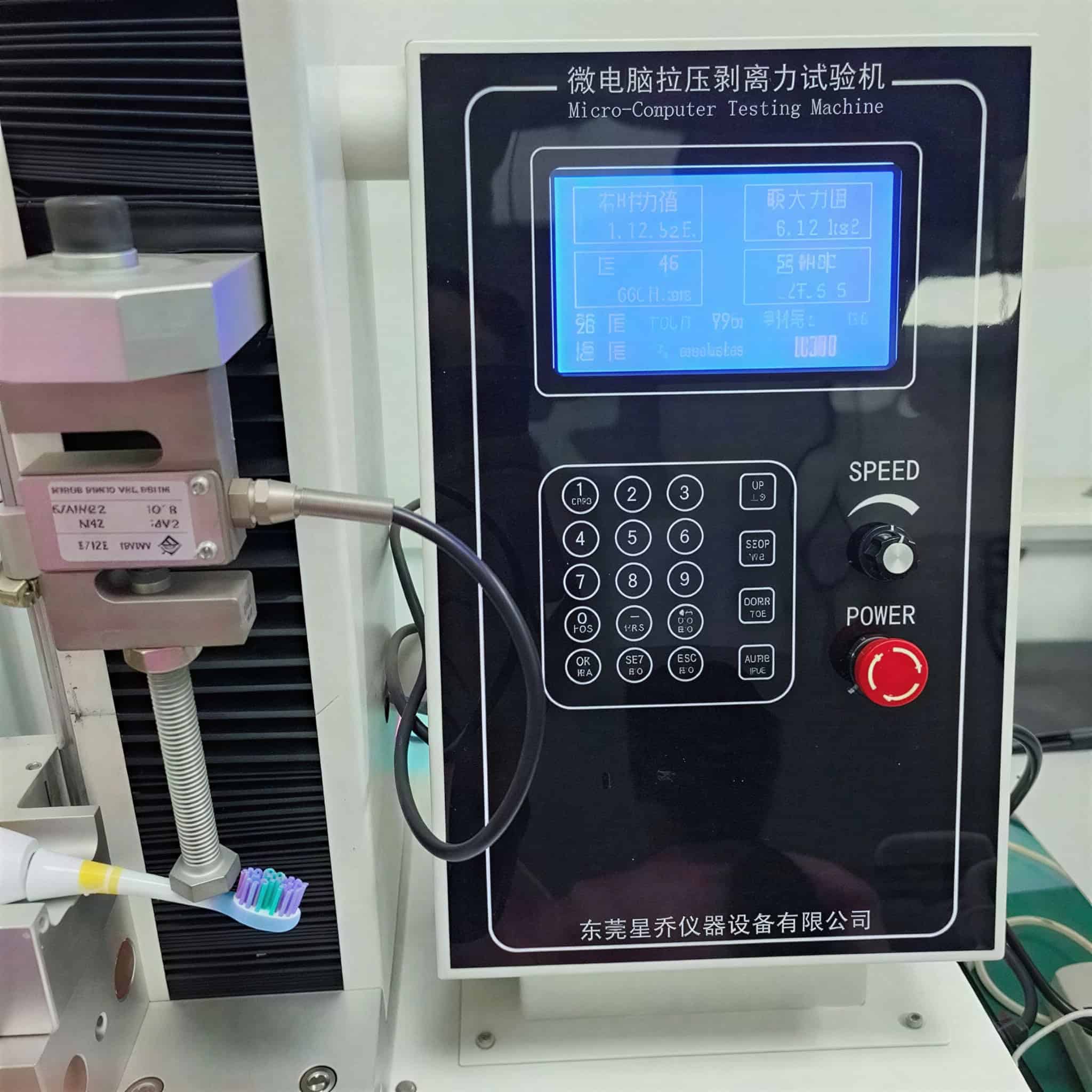
The product is fixed horizontally on the bending resistance tester. A test force of ≥5.0 kg is applied for 1 minute. After the test, the product is removed and the brush handle is inspected.
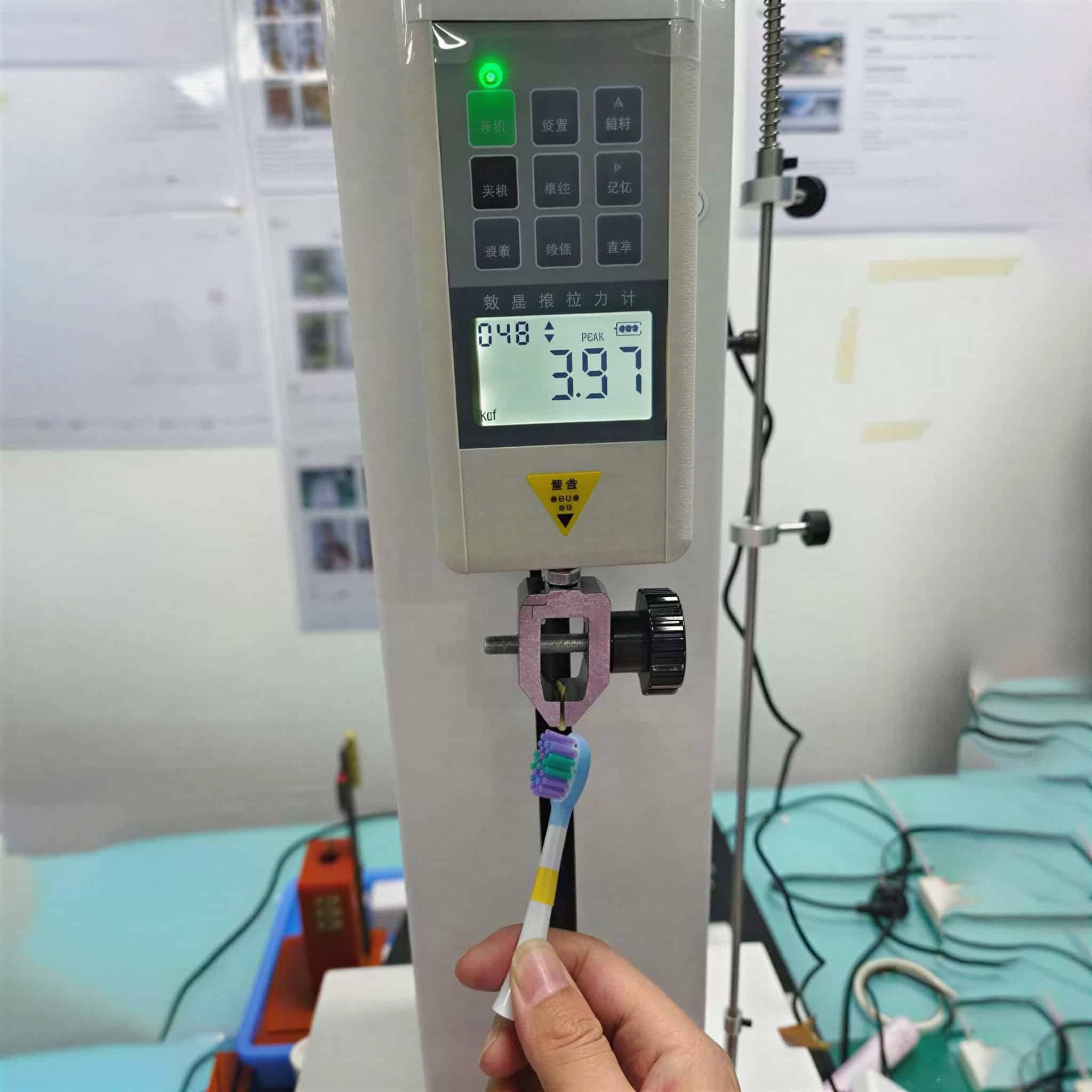
A tension gauge is used to test the pulling force of a single bristle tuft.
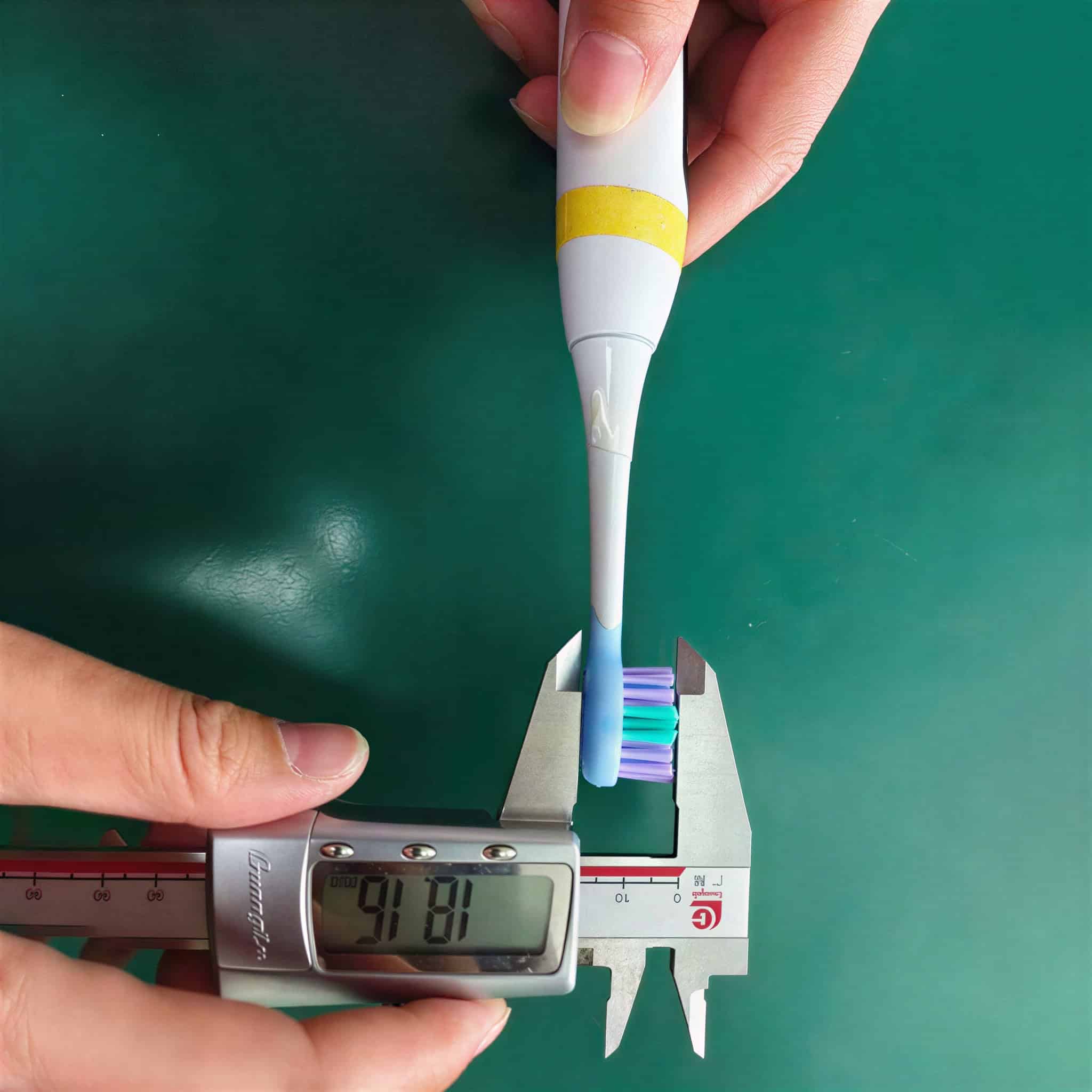
The product is fixed on the bristle wear tester and operated for 6 hours to record the bristle wear condition.
The brush handle is fixed horizontally on the insertion/removal tester.
First, 200 insertion/removal cycles are performed with a force of 1.0–5.0 kg.
Then, 600 insertion/removal cycles are performed in total, using 3 toothbrush heads, with 200 cycles for each head.
To evaluate long-term durability, the finished product is tested under environmental stress, repeated button operation, and extended life-cycle aging.
Send Inquiry Now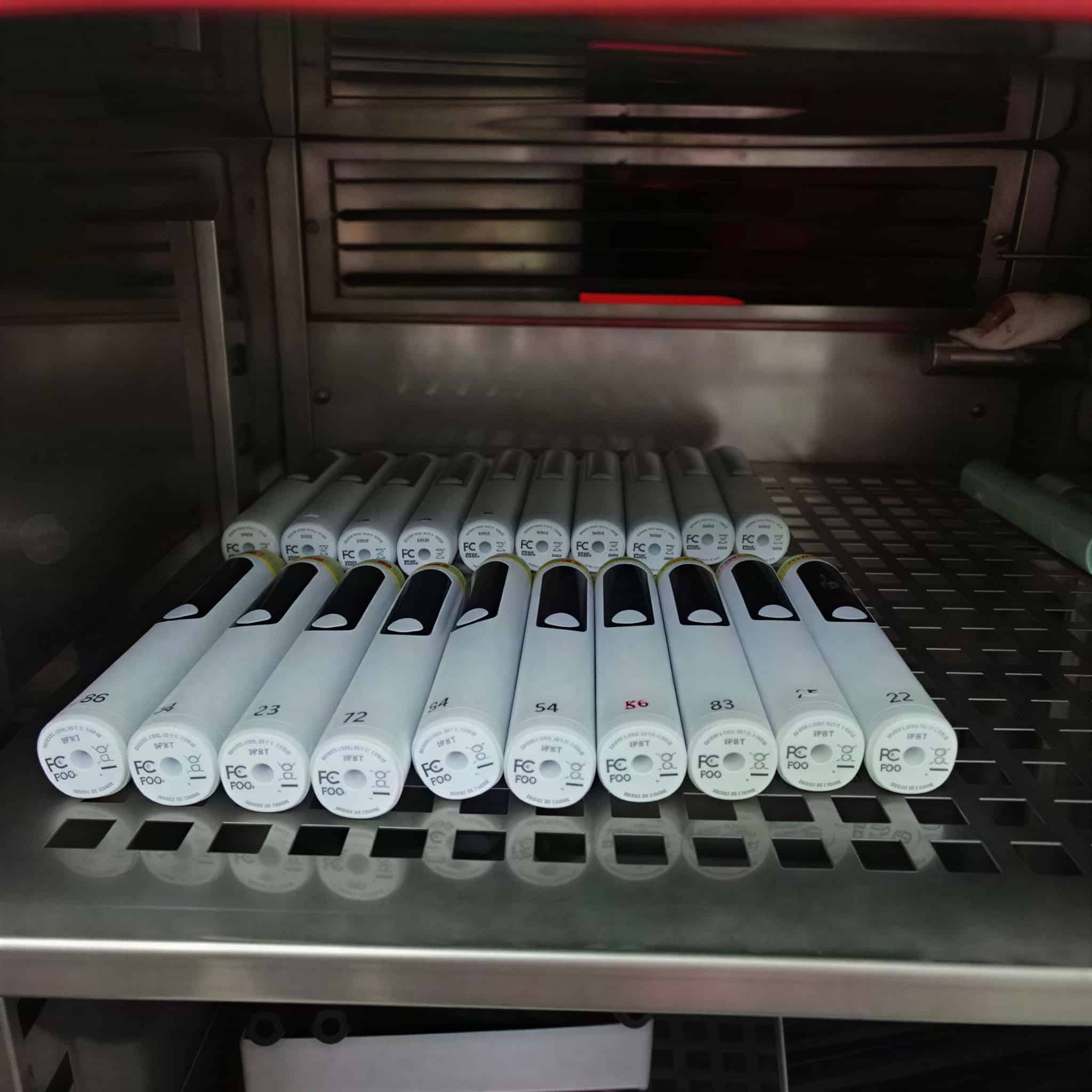
This test includes three parts:
After the test, there shall be no plastic cracking, no part falling off, and the product shall function normally.
The button switch is manually pressed 10,000 times with a force of 0.4–1.5 kgf at a frequency of 30 times per minute.
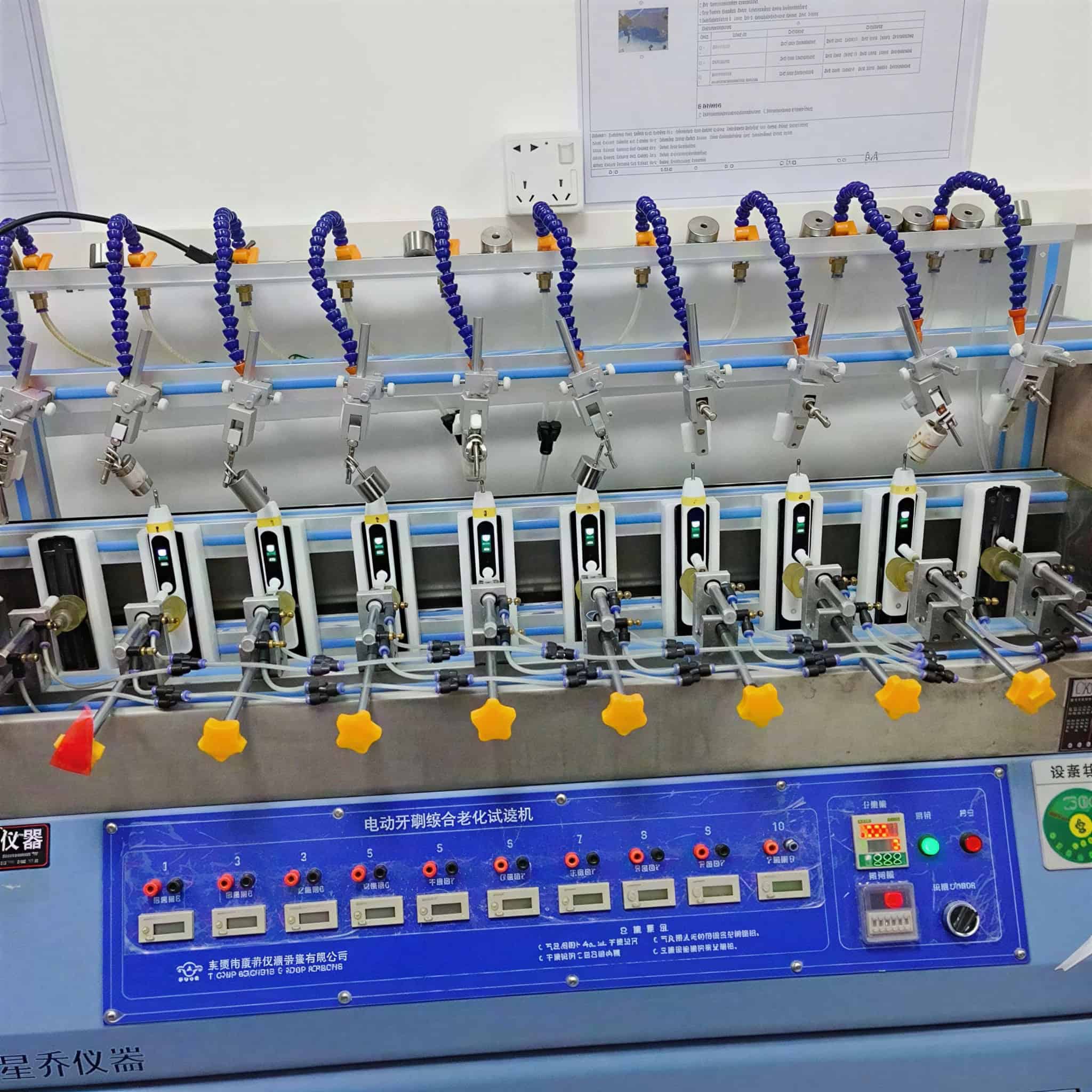
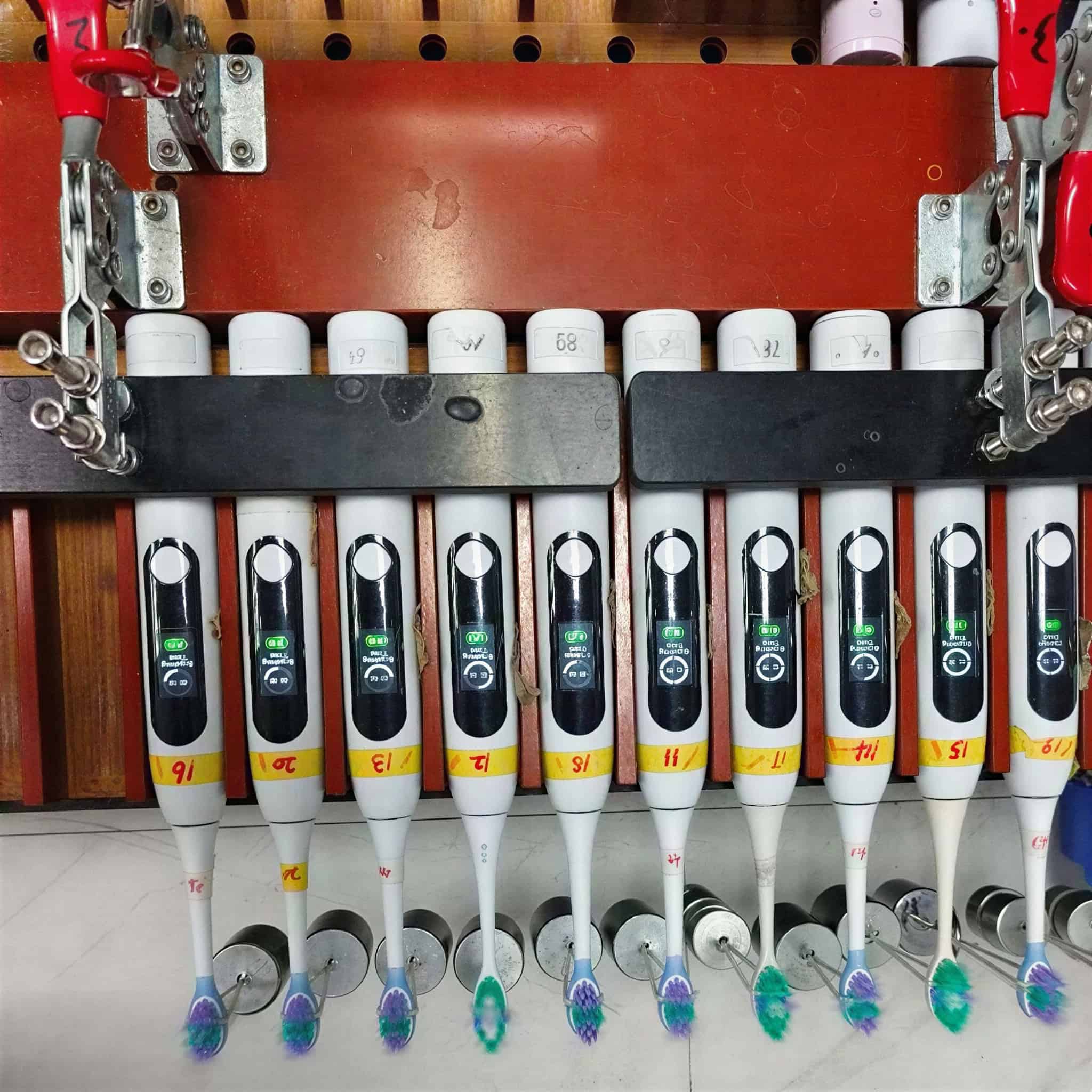
This test includes the following steps:
Part Three
To verify whether your electric toothbrush can withstand transportation, daily handling, accidental drops, toothpaste exposure, and chemical contact, we conduct a series of destructive tests on finished products, packaging, cartons, and toothbrush heads.
These tests help reduce risks such as product damage, charging failure, packaging breakage, brush head cracking, surface peeling, and after-sales complaints.
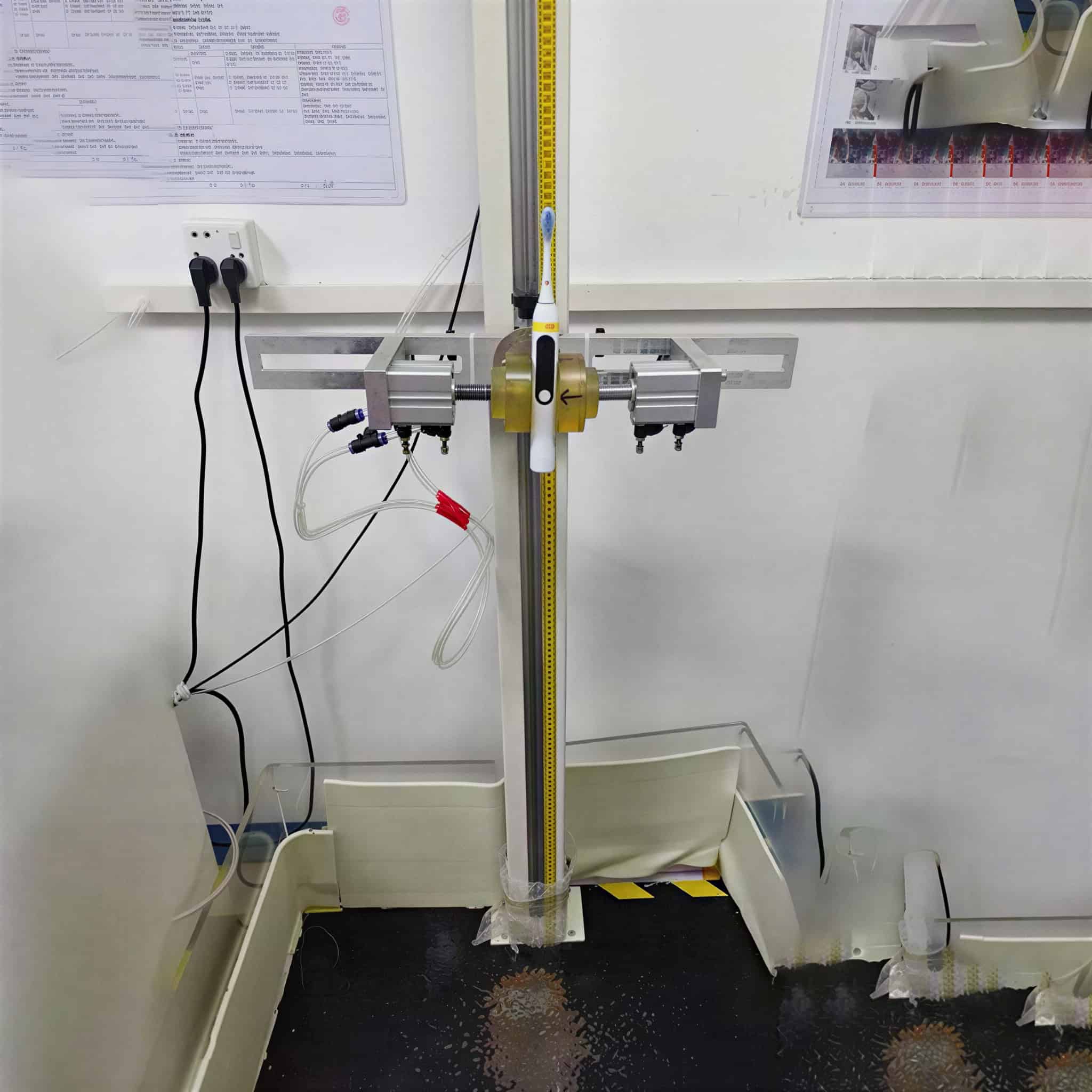
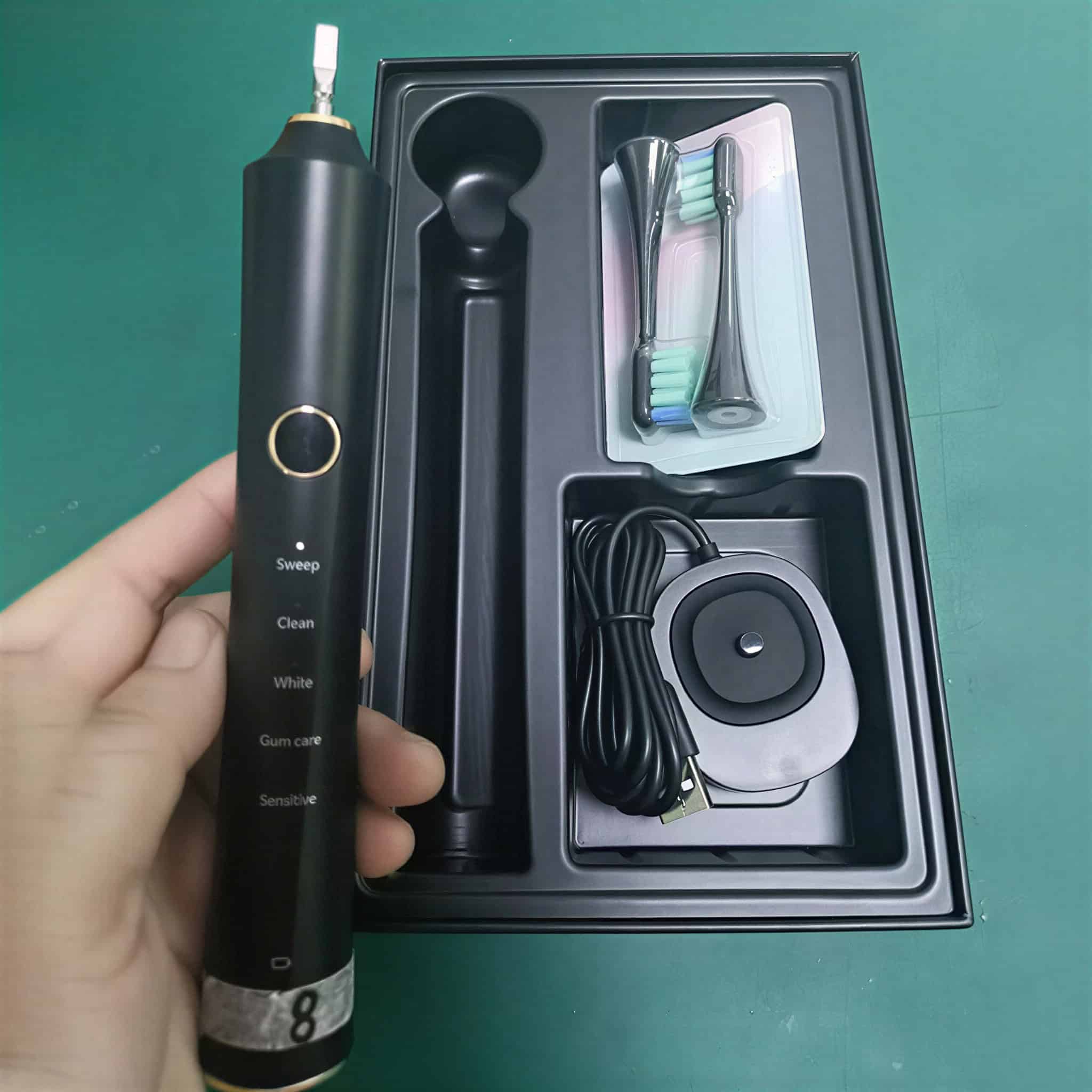
The toothbrush head is installed onto the handle with the brush head vertically upward. The product is dropped from a height of 1 meter in three directions: 30° left, 30° right, and vertical direction.
The product is placed in a tumble barrel with a length of 0.5 m. The barrel rotates at 7 times per minute for 300 rotations.
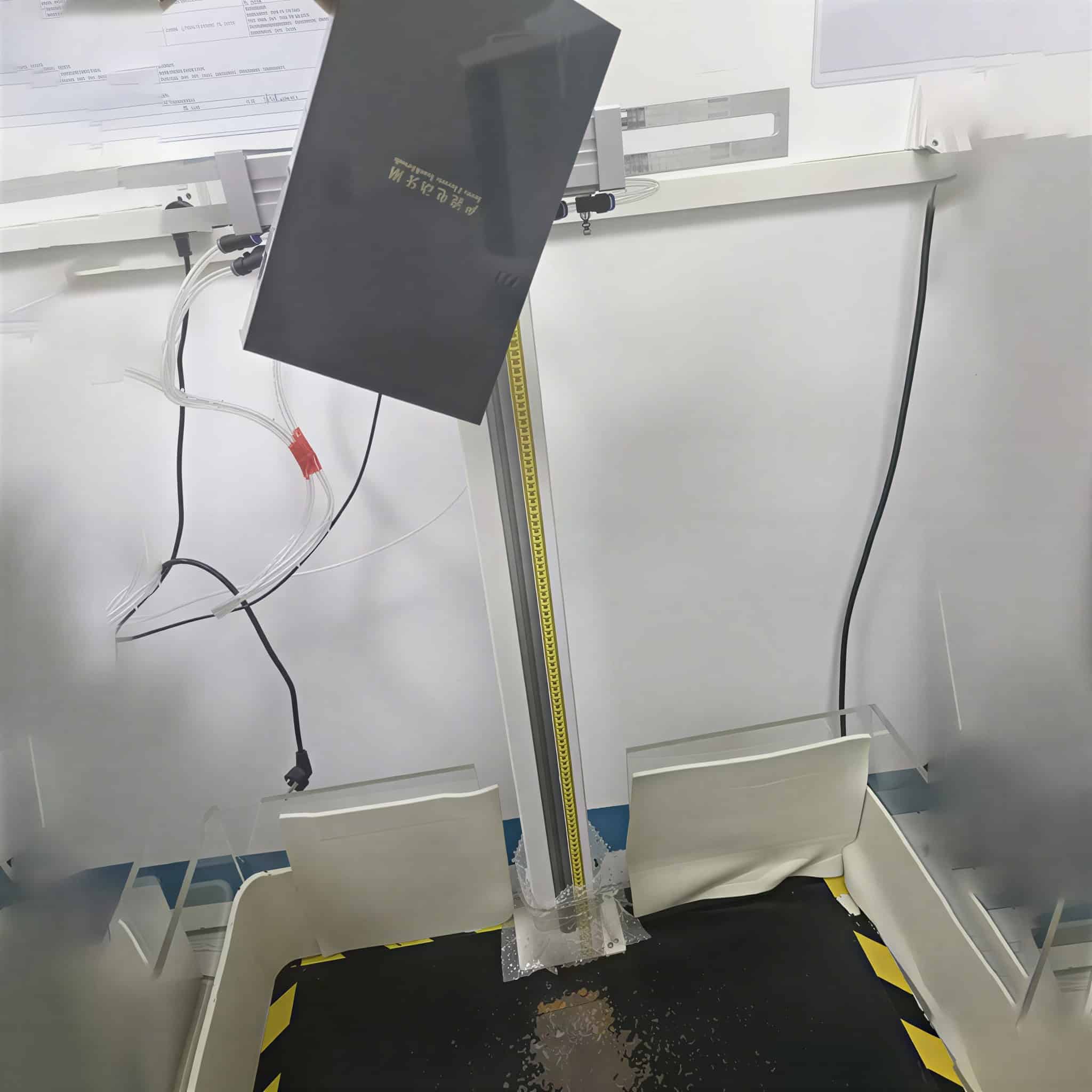
The single product package is dropped from a height of 1 meter onto a wooden board. Six different faces of the packaging are tested, with 1 drop for each face and 6 drops in total.
One full carton of packaged finished products is placed on the simulated automotive transport tester. The carton is tested at 280 rpm for 30 minutes.
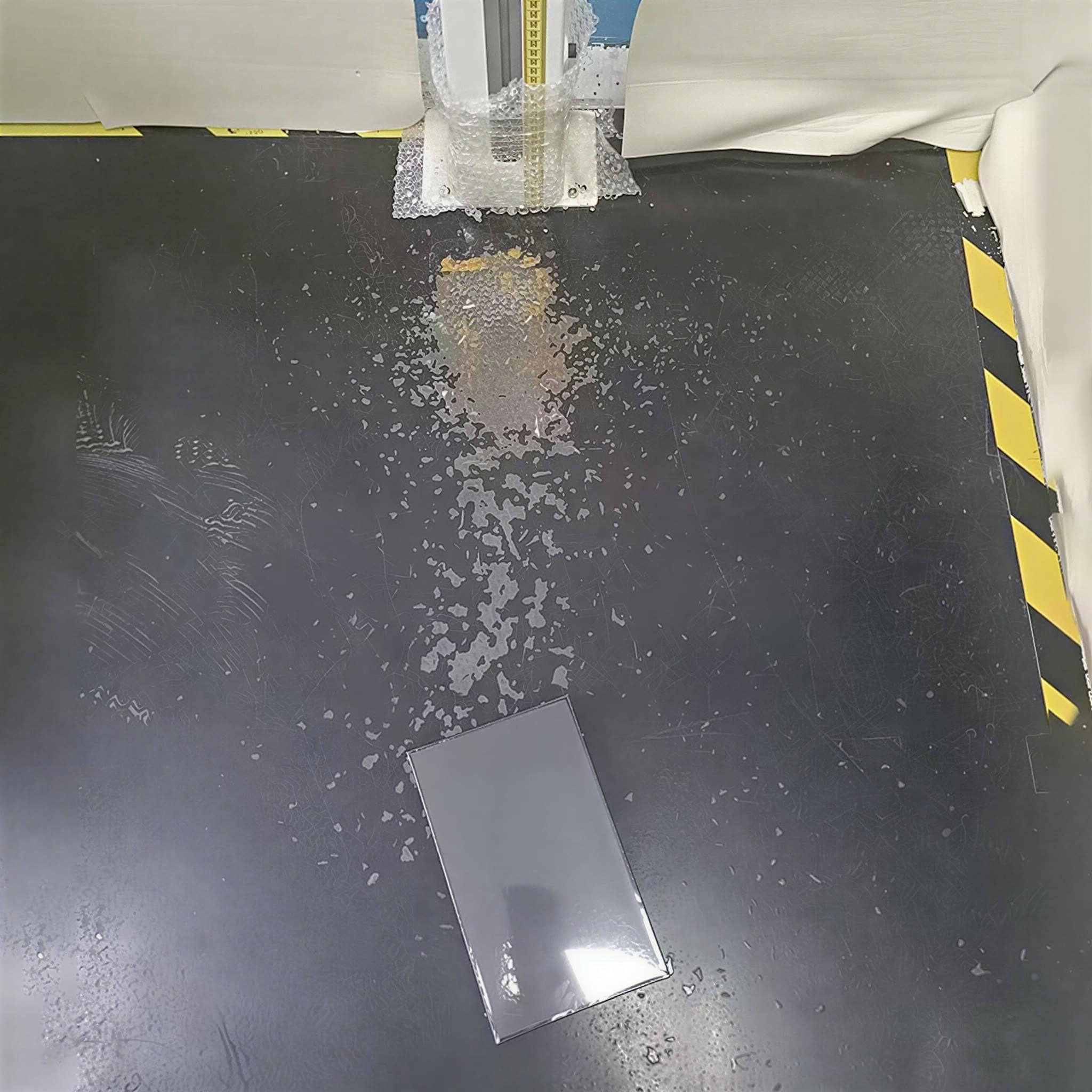
One full carton of packaged finished products is dropped from a height of 0.7 m onto a wooden board. The drop sequence includes one corner, three edges, and six faces, with 10 drops in total.
The toothbrush head is soaked in 20% regular toothpaste solution for 5 days, then placed at room temperature for 2 days.
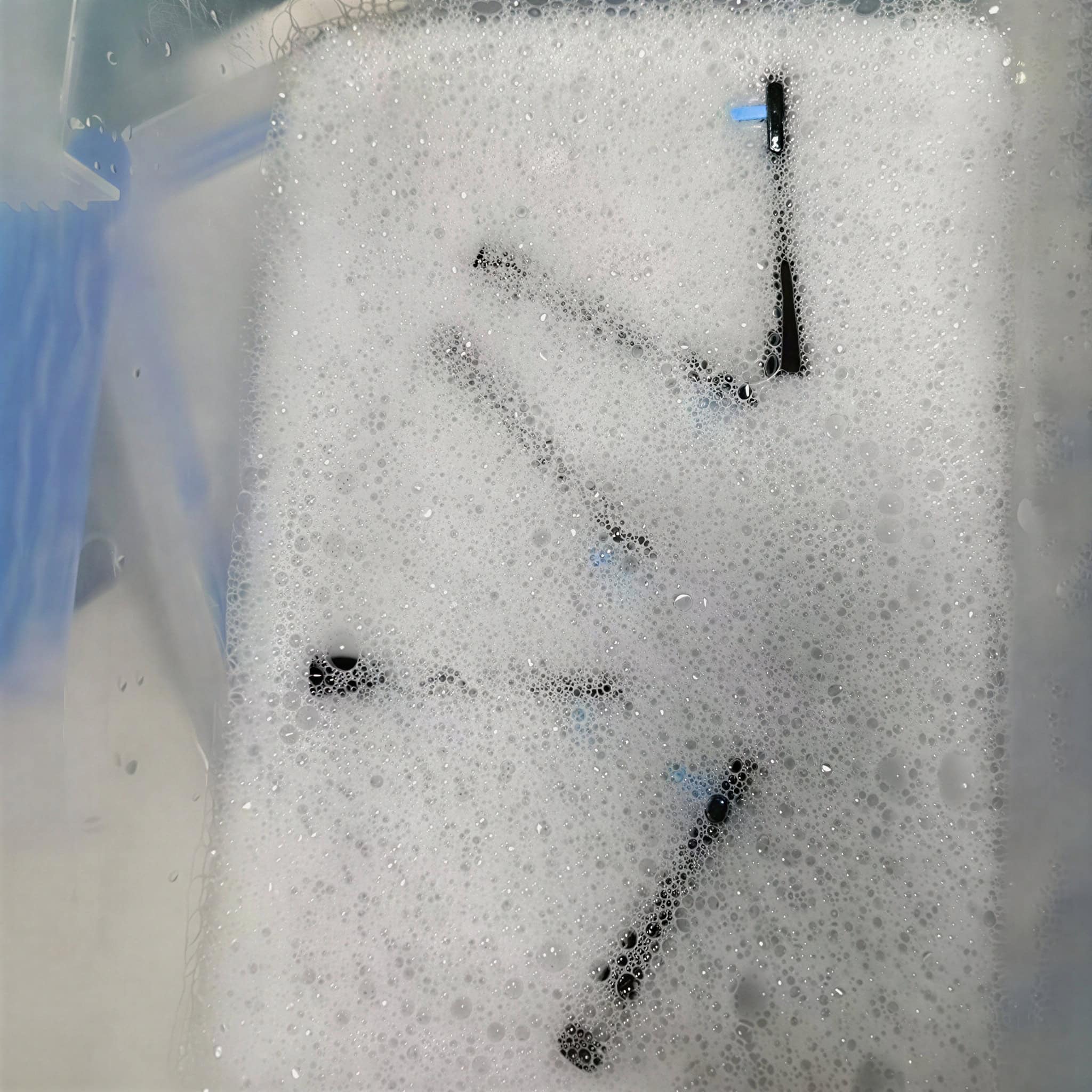
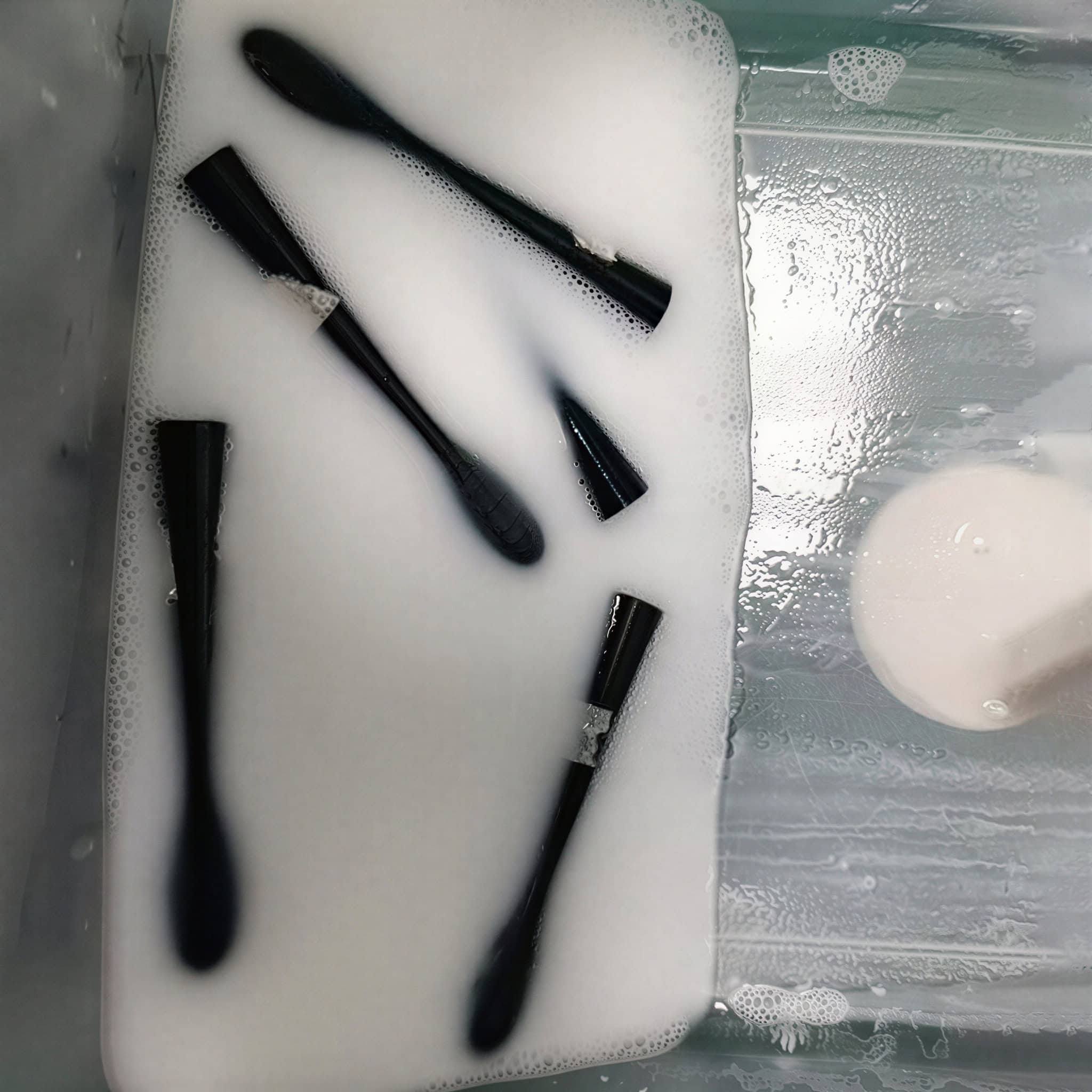
The toothbrush head is soaked in 20% toothpaste solution made with Colgate enzyme toothpaste containing hydrogen peroxide for 5 days, then placed at room temperature for 2 days.
The toothbrush head is soaked in chemical solvent for 5 days, then placed at room temperature for 2 days.